
《床笫之间》是伊恩·麦克尤恩的作品,当前资源标题记录的电子书格式为 PDF / ePub / mobi / azw3。这页先帮助读者确认书籍身份、内容主线和阅读预期,再核对实际文件状态。
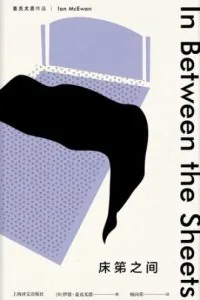
基本信息与出版版本
| 书名 | 床笫之间 |
|---|---|
| 作者 | 伊恩·麦克尤恩 |
| 类别 | 短篇小说集 / 黑色幽默 / 心理惊悚 |
| 出版社 | 上海译文出版社 / 南京大学出版社 |
| ISBN | 2672017961 |
| 电子书格式 | PDF / ePub / mobi / azw3 |
不同版本的出版社、译者、封面和排版可能存在差异;页数如果来源不足,本页不强行补写。实际电子书版本请以下载后的文件内容为准。
这本书主要讲什么
《床笫之间》(In Between the Sheets)出版于1978年,是伊恩·麦克尤恩的第二部短篇小说集。这本书奠定了他作为英国文坛“坏孩子”的声誉。 书中收录了7个短篇故事,每一个都充满了超现实的荒诞感和性心理的变异。
中文书评
《床笫之间》是一部让人不太容易轻松读完的短篇小说集,它并不是通过传统意义上的惊险情节制造刺激,而是把目光投向人性中隐秘、荒诞又令人不安的角落。伊恩·麦克尤恩在这部1978年出版的第二部短篇小说集中,以冷静甚至近乎残酷的笔触,描写欲望、孤独、控制、幻想与自我欺骗之间的复杂关系。全书收录七个短篇,每个故事都带有强烈的心理实验色彩,也确立了麦克尤恩早期创作中阴暗、怪诞的一面。
伊恩·麦克尤恩网站 这部作品诞生于麦克尤恩创作早期阶段。当时的他还没有凭借《赎罪》《阿姆斯特丹》等作品成为广受认可的英国小说家,但《床笫之间》已经展现出后来作品中非常鲜明的特点:对人物内心裂缝的敏锐观察,以及对道德边界和人类欲望的持续追问。作品中的荒诞并不是单纯为了猎奇,而是借助夸张、梦境式的情节,让读者看到日常生活背后被隐藏的恐惧和不安。
企鹅图书 书中最核心的主题,是人如何面对自己无法承认的欲望。麦克尤恩笔下的人物往往不是传统意义上的恶人,他们更多是被自己的幻想、缺陷和执念困住的人。例如《色情文学》中的人物面对自己的创作、欲望和关系纠葛,逐渐发现自己并不能完全掌控想象中的世界;《死去的情人》相关故事中,对爱情和占有欲的描写也不断揭示,亲密关系并不总是温柔和安全,它同样可能包含嫉妒、依赖和伤害。作品通过极端情境放大普通人内心的矛盾,让读者重新审视所谓正常与异常之间的界限。
《床笫之间》中的人物塑造非常特别。麦克尤恩并不急于解释人物为什么会变成这样,而是让读者直接进入他们混乱的精神世界。有些人物渴望被爱,却又害怕真正的亲密;有些人物追求控制,却最终被自己的欲望反噬;还有些人物沉迷于幻想,把虚构的关系当成现实的替代品。尤其是《谈论野兽》中以猿类视角展开的叙述,通过人与动物之间的错位关系,讨论爱情、艺术和欺骗之间的联系,使作品具有寓言般的意味。
企鹅图书 这本书最大的优点,是麦克尤恩对心理细节的精准捕捉。他能够用非常克制的语言描写复杂甚至令人不适的情绪,让荒诞故事保持真实感。很多场景读起来会产生一种奇怪的距离感:明明情节离现实很远,但人物的恐惧、嫉妒、自卑和孤独却非常熟悉。作品的黑色幽默也增强了阅读体验,读者常常在感到荒谬的同时,又意识到其中隐藏着真实的人性问题。
不过,这部作品也存在明显不足。由于它属于麦克尤恩早期短篇创作,部分故事过于依赖象征和极端设定,人物情感的发展并不像他后期长篇作品那样成熟自然。一些读者可能会觉得某些情节过于冷峻,甚至刻意挑战接受范围。作品关注的是心理深处的不安,而不是提供完整的故事满足,因此如果期待传统叙事、明确答案或温暖情感,会觉得阅读过程较为压抑。 《床笫之间》更适合喜欢心理文学、黑色幽默、现代主义短篇小说的读者。它适合那些愿意观察人物复杂内心,而不是只追求情节推进的人阅读。对想了解伊恩·麦克尤恩早期风格的读者来说,这本书也是非常重要的入口,因为其中已经包含了他后来反复探索的主题:记忆、欲望、责任,以及人面对自身黑暗面的无力感。
总体来看,《床笫之间》是一部锋利而危险的作品。它不提供简单的道德判断,也不会安慰读者,而是把人性中那些容易被忽视的部分放到聚光灯下。它的价值不在于故事有多离奇,而在于麦克尤恩通过这些离奇故事,揭示了现实生活中同样存在的心理裂缝。对于愿意接受复杂、阴暗甚至不舒服阅读体验的读者来说,这是一部值得反复思考的短篇集。
English Review
In Between the Sheets is a disturbing and sharply intelligent collection of short stories that reveals Ian McEwan’s early fascination with the hidden tensions of human desire, fear, and self-deception. Published in 1978 as his second short story collection, the book contains seven stories that combine dark humor, psychological unease, and surreal situations. Rather than creating suspense through conventional mystery or action, McEwan explores the unsettling spaces inside the human mind, where fantasies, obsessions, and emotional weaknesses often collide.
Written before McEwan became internationally recognized for novels such as Atonement and Amsterdam, this collection already shows many qualities that would define his later career. The stories are controlled, precise, and deeply interested in moral uncertainty. McEwan does not present strange events simply for shock value. Instead, he uses exaggerated situations and unusual perspectives to expose ordinary human anxieties: loneliness, jealousy, the desire for control, and the fear of genuine intimacy. The central theme of the collection is the complicated relationship between fantasy and reality.
Many characters create private worlds in which they believe they can satisfy their emotional needs, only to discover that imagination cannot protect them from disappointment or suffering. In “Pornography,” the conflict surrounding a writer of erotic material reveals the tension between creating fantasies and dealing with real human consequences. Other stories examine relationships where affection becomes mixed with possession, where love becomes inseparable from manipulation and insecurity.
McEwan repeatedly asks whether people truly understand their own desires or whether they are controlled by impulses they refuse to acknowledge. The characters in In Between the Sheets are memorable because they are rarely simple villains or victims. They are flawed individuals trapped by their own psychological limitations. Some characters desperately seek connection but are unable to communicate honestly. Others attempt to control relationships and end up destroyed by their own expectations.
In “Reflections of a Kept Ape,” McEwan uses an unusual perspective involving an ape and a human writer to explore themes of love, artistic creation, and betrayal. The strange premise becomes a way to question how humans construct stories about themselves and others. One of the strongest aspects of the collection is McEwan’s precise psychological observation. His writing style is calm and controlled even when the situations become bizarre or disturbing. This contrast makes the stories more powerful: the language remains elegant while the subject matter reveals uncomfortable aspects of human behavior.
His dark humor also works effectively because it prevents the stories from becoming purely bleak. The reader is often caught between amusement and discomfort, recognizing something truthful beneath the absurdity. However, the collection also has limitations. As an early work, it sometimes feels more experimental than emotionally complete. Some stories depend heavily on shocking ideas or symbolic situations, and certain characters may appear more like psychological studies than fully developed individuals.
Readers who prefer traditional storytelling, clear moral conclusions, or emotionally comforting narratives may find the book cold and challenging. The purpose of these stories is not to provide easy answers but to create a confrontation with uncomfortable aspects of human nature. This collection is best suited for readers interested in psychological fiction, literary short stories, and dark comedy. It will appeal to those who enjoy exploring unreliable emotions, unusual perspectives, and morally complicated characters.
For readers interested in McEwan’s development as a writer, In Between the Sheets is particularly valuable because it reveals the early foundation of his lifelong concerns: the fragility of relationships, the power of imagination, and the unpredictable consequences of human desire. Overall, In Between the Sheets is a bold and unsettling collection that demonstrates McEwan’s ability to transform disturbing ideas into carefully crafted fiction. It is not a comfortable reading experience, but that discomfort is part of its achievement.
By examining the strange corners of human psychology, the book shows how easily ordinary emotions can become distorted into obsession, fear, and loneliness. For readers willing to engage with challenging and unconventional literature, it remains a fascinating example of McEwan’s early literary power.
我的阅读笔记
从现有资料看,它最值得关注的是:《床笫之间》(In Between the Sheets)出版于1978年,是伊恩·麦克尤恩的第二部短篇小说集。读《床笫之间》时,可以先抓住作者伊恩·麦克尤恩怎样设置背景、人物目标和主要冲突,再看这些部分如何导向主题。
第二个重点是这本书奠定了他作为英国文坛“坏孩子”的声誉。如果它能继续推动人物选择、冲突升级和主题回响,这本书就更适合细读;如果只是信息并列,阅读价值会弱一些。
我觉得最值得看的地方
我觉得最值得看的地方,首先是它如何展开主题:《床笫之间》(In Between the Sheets)出版于1978年,是伊恩·麦克尤恩的第二部短篇小说集。其次是它是否能把问题讲清楚:这本书奠定了他作为英国文坛“坏孩子”的声誉。这两点决定了它是只适合快速翻阅,还是值得花时间细读。
如果你关注短篇小说集 / 黑色幽默 / 心理惊悚,可以读完一章后用一句话写下这一章的观点,再决定是否继续精读。这样读完后留下的不是零散印象,而是对人物、冲突和主题的清楚判断。
与同类书有什么区别
读《床笫之间》之前,先判断它属于短篇小说集 / 黑色幽默 / 心理惊悚里的哪一种:是入门科普、方法书、教材,还是案例型读物。这个判断比只看格式更有用。
第一次读重点看什么
第一次读《床笫之间》,先看它在回答什么问题,再看作者怎么展开。可以先抓这两点:《床笫之间》(In Between the Sheets)出版于1978年,是伊恩·麦克尤恩的第二部短篇小说集;这本书奠定了他作为英国文坛“坏孩子”的声誉。
- 《床笫之间》(In Between the Sheets)出版于1978年,是伊恩·麦克尤恩的第二部短篇小说集
- 这本书奠定了他作为英国文坛“坏孩子”的声誉
- 书中收录了7个短篇故事,每一个都充满了超现实的荒诞感和性心理的变异
哪些人适合读,哪些人可能不适合
如果你正在找《床笫之间》电子版,可以先确认 PDF / ePub / mobi / azw3 这些格式是否够用。想判断内容值不值得读,就看它在短篇小说集 / 黑色幽默 / 心理惊悚里解决的是哪类问题。
如果你需要的是完整纸质版校勘、特定译本差异或严格学术引用,请优先核对出版社、图书馆或 ISBN 书目系统;如果只是先找电子版阅读,则重点看格式、作者和版本字段是否符合自己的需求。
伊恩·麦克尤恩和这本书的关系
伊恩·麦克尤恩和《床笫之间》的关系,不只是“这本书的作者”这么简单。读这本书时,更值得看的是作者怎样处理短篇小说集 / 黑色幽默 / 心理惊悚方向里的核心问题,以及这些观点为什么会被整理成一本书。
如果你想评估这本书值不值得读,不要只看作者名气。更实用的办法是看作者提出的问题、使用的材料,以及这些内容能不能形成稳定的主题推进。
常见问题
《床笫之间》主要讲什么?
《床笫之间》主要围绕“《床笫之间》(In Between the Sheets)出版于1978年,是伊恩·麦克尤恩的第二部短篇小说集”展开。这个入口决定了作品的背景、冲突和主题方向。 另一条重要线索是:这本书奠定了他作为英国文坛“坏孩子”的声誉。
《床笫之间》适合什么人读?
它适合愿意围绕《床笫之间》的主题、人物关系和结构推进慢慢读下去的读者。如果只想要非常轻快、直接、低门槛的阅读体验,可能不一定合适。
读《床笫之间》最该关注哪一点?
读《床笫之间》时,建议先看它提出了什么问题,再看作者伊恩·麦克尤恩如何展开。真正决定阅读价值的,是人物选择、冲突发展和主题回响是否能互相支撑。
《床笫之间》电子书有哪些格式?
当前记录的格式为 PDF / ePub / mobi / azw3。实际可用文件、排版和版本信息,以页面底部资源模块和下载后的文件为准。
电子书格式与获取说明
当前页面记录《床笫之间》的电子书格式为 PDF / ePub / mobi / azw3。不同来源的电子书在排版、封面、译名和文件质量上可能会有差异,下载后请以实际文件信息为准。
