
《父母的觉醒》是沙法丽·萨巴瑞的作品,当前资源标题记录的电子书格式为 PDF / ePub / mobi / azw3。这页先帮助读者确认书籍身份、内容主线和阅读预期,再核对实际文件状态。
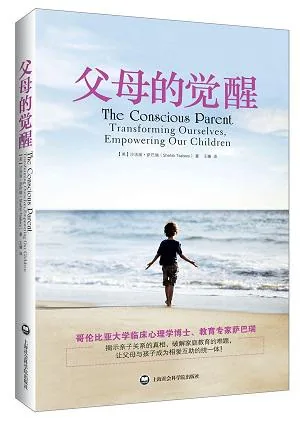
基本信息与出版版本
| 书名 | 父母的觉醒 |
|---|---|
| 作者 | 沙法丽·萨巴瑞 |
| 类别 | 亲子教育 / 心理学 / 心灵成长 |
| 出版社 | 上海社会科学院出版社 |
| ISBN | 9787552003734 |
| 电子书格式 | PDF / ePub / mobi / azw3 |
不同版本的出版社、译者、封面和排版可能存在差异;页数如果来源不足,本页不强行补写。实际电子书版本请以下载后的文件内容为准。
这本书主要讲什么
这就不是一本传统的育儿书,它不教你如何让孩子听话、如何提高成绩或如何惩罚孩子。相反,这是一本“育己”的心灵指南。
中文书评
《父母的觉醒》不是一本告诉父母“应该怎样管理孩子”的传统育儿指南,而是一本把关注点转回父母自身的心理成长之书。它最核心的判断是,亲子关系中的许多问题,并不只是孩子的行为造成的,而是父母自身未被觉察的恐惧、焦虑、控制欲和成长经历,在日常相处中不断被激活。沙法丽·萨巴瑞将心理学研究与正念思想结合,提出父母需要先完成自我觉察,才能真正理解孩子。
CBS 作品围绕一个重要主题展开:孩子并不是父母塑造出来的“项目”,而是一个拥有独立人格和内在节奏的人。书中反复讨论父母常见的教育模式,例如希望孩子取得好成绩、希望孩子符合自己的期待、希望通过规则和控制避免孩子走弯路。这些做法表面上来自关心,但背后可能隐藏着父母对失败的恐惧和对未知的抗拒。作者认为,真正健康的养育并不是不断修正孩子,而是在陪伴孩子成长的过程中,父母也重新认识自己。
CBS 书中涉及的“人物”并不是虚构角色,而是现实家庭中的父母与孩子。作者通过大量亲子互动场景,呈现父母在面对孩子哭闹、拒绝、叛逆或成绩压力时产生的情绪反应。例如,一个孩子不愿按照父母安排完成任务时,父母第一反应可能是愤怒或失望,但作者引导读者看到,这种反应背后往往连接着父母对“自己是不是一个失败的家长”的担忧。孩子的问题因此成为一面镜子,让父母看见自己的内在状态。书中也关注不同成长阶段的孩子,从幼儿时期的依恋与独立,到学龄期面对规则、成绩和自我认同的问题,强调父母需要调整的是自己的陪伴方式,而不是单纯增加控制力度。
CBS 这本书最大的优点,是它没有停留在技巧层面。很多育儿书会提供具体方法,例如奖励、惩罚、沟通步骤,而《父母的觉醒》更关注关系的根源。它提醒父母先处理自己的情绪,再处理孩子的行为,这一点对于长期处在教育焦虑中的家庭很有启发。作者对于“接纳”“倾听”“活在当下”等概念的讨论,也让亲子关系不再只是教育和被教育的关系,而是一种双方共同成长的过程。
不过,这本书也存在一定局限。它的思想体系带有明显的心理成长和正念色彩,对于习惯寻找明确操作方案的父母来说,部分内容可能显得抽象。例如,当读者面对孩子拖延、沉迷电子设备或学习压力等具体问题时,书中的理念需要结合现实情况进一步转化,而不能直接替代所有教育方法。此外,作者对于父母内在觉察的强调较多,一些读者可能会觉得对家庭环境、社会压力等外部因素的讨论相对不足。
总体来看,《父母的觉醒》更适合那些已经开始反思教育方式,希望改善亲子关系的父母。它尤其适合经常感到焦虑、容易因为孩子的问题产生强烈情绪,或者发现自己正在重复上一代教育模式的人阅读。对于期待一本“快速解决孩子问题”的工具书的读者,它可能并不符合预期;但对于愿意从自身改变开始重新理解孩子的人来说,这本书提供了一种更深层的视角。 《父母的觉醒》的价值并不在于提供一套固定答案,而是在提醒父母:教育孩子的过程,也是认识自己的过程。当父母能够减少控制和评判,增加理解和陪伴,亲子关系才可能从对抗走向连接。这是一部关于家庭教育的作品,也是一部关于成年人自我成长的心理读物。
English Review
The Conscious Parent is not a conventional parenting manual that teaches parents how to control children, improve academic performance, or apply a set of behavioral techniques. Instead, Shefali Tsabary’s work takes a deeper psychological approach by asking parents to examine themselves first. The central argument of the book is that many struggles between parents and children are not caused only by children’s behavior, but by the unrecognized fears, expectations, and emotional patterns carried by adults. The book presents parenting as a journey of self-awareness rather than simply a process of shaping a child.
CBS The background of the book comes from Tsabary’s combination of clinical psychology and ideas influenced by mindfulness and Eastern philosophy. Rather than viewing children as incomplete individuals who must be corrected, she argues that children already possess their own personalities, needs, and inner rhythms. The parent’s responsibility is not to create a perfect child, but to build a genuine relationship based on awareness, respect, and emotional connection. CBS The main theme of the book is the transformation from controlling parenting to conscious parenting.
Tsabary examines common situations in family life: parents becoming anxious when a child refuses to cooperate, feeling disappointed when a child does not meet expectations, or reacting strongly when a child behaves differently from what they imagined. She suggests that these moments often reveal the parent’s own unresolved emotions. For example, when a child refuses to follow a parent’s plan, the parent’s anger may not only come from the child’s action itself, but also from deeper fears about failure, social judgment, or losing control.
Although the book does not focus on fictional characters, it presents many recognizable figures from everyday family life. The “characters” are parents struggling with their own identities and children learning to become independent individuals. Tsabary discusses different stages of childhood, including early childhood, school years, and adolescence, showing how parents often need to change their responses rather than simply demand that children change. The child becomes a mirror that helps the parent recognize personal habits, emotional triggers, and expectations.
One of the strongest aspects of the book is its depth. Many parenting books focus on external techniques such as discipline systems, rewards, or communication strategies. This work goes further by exploring the emotional foundation behind those behaviors. Its discussion of acceptance, presence, empathy, and self-awareness encourages parents to look beyond short-term obedience and focus on long-term connection. The idea that parents must regulate their own emotions before guiding their children is one of the book’s most valuable insights. However, the book also has limitations.
Because it is strongly influenced by psychological and mindfulness concepts, some readers may find parts of it abstract or difficult to apply immediately. Parents dealing with very specific challenges, such as academic struggles, technology use, or behavioral problems, may need additional practical guidance alongside the ideas presented here. The book also places significant emphasis on individual awareness, while some readers may wish for more discussion of external pressures such as cultural expectations, education systems, and social conditions.
This book is best suited for parents who want to rethink their relationship with their children rather than simply search for quick solutions. It is especially meaningful for those who feel trapped in cycles of frustration, anxiety, or repeated conflicts at home. Readers expecting a step-by-step instruction manual may not find it satisfying, but those willing to reflect on their own emotional patterns may discover a valuable perspective. Overall, The Conscious Parent is a thoughtful exploration of family relationships and personal growth.
Its greatest contribution is the reminder that raising a child is also a process of transforming oneself. By replacing automatic reactions with awareness and replacing control with genuine connection, parents may create a healthier and more respectful relationship with their children. The book is not only about parenting; it is about becoming a more conscious human being within the family.
我的阅读笔记
从现有资料看,它最值得关注的是:这就不是一本传统的育儿书,它不教你如何让孩子听话、如何提高成绩或如何惩罚孩子。读《父母的觉醒》时,可以先抓住作者沙法丽·萨巴瑞怎样设置背景、人物目标和主要冲突,再看这些部分如何导向主题。
第二个重点是相反,这是一本“育己”的心灵指南。如果它能继续推动人物选择、冲突升级和主题回响,这本书就更适合细读;如果只是信息并列,阅读价值会弱一些。
我觉得最值得看的地方
我觉得最值得看的地方,首先是它如何展开主题:这就不是一本传统的育儿书,它不教你如何让孩子听话、如何提高成绩或如何惩罚孩子。其次是它是否能把问题讲清楚:相反,这是一本“育己”的心灵指南。这两点决定了它是只适合快速翻阅,还是值得花时间细读。
如果你关注亲子教育 / 心理学 / 心灵成长,可以读完一章后用一句话写下这一章的观点,再决定是否继续精读。这样读完后留下的不是零散印象,而是对人物、冲突和主题的清楚判断。
与同类书有什么区别
读《父母的觉醒》之前,先判断它属于亲子教育 / 心理学 / 心灵成长里的哪一种:是入门科普、方法书、教材,还是案例型读物。这个判断比只看格式更有用。
第一次读重点看什么
第一次读《父母的觉醒》,先看它在回答什么问题,再看作者怎么展开。可以先抓这两点:这就不是一本传统的育儿书,它不教你如何让孩子听话、如何提高成绩或如何惩罚孩子;相反,这是一本“育己”的心灵指南。
- 这就不是一本传统的育儿书,它不教你如何让孩子听话、如何提高成绩或如何惩罚孩子
- 相反,这是一本“育己”的心灵指南
哪些人适合读,哪些人可能不适合
如果你正在找《父母的觉醒》电子版,可以先确认 PDF / ePub / mobi / azw3 这些格式是否够用。想判断内容值不值得读,就看它在亲子教育 / 心理学 / 心灵成长里解决的是哪类问题。
如果你需要的是完整纸质版校勘、特定译本差异或严格学术引用,请优先核对出版社、图书馆或 ISBN 书目系统;如果只是先找电子版阅读,则重点看格式、作者和版本字段是否符合自己的需求。
沙法丽·萨巴瑞和这本书的关系
沙法丽·萨巴瑞和《父母的觉醒》的关系,不只是“这本书的作者”这么简单。读这本书时,更值得看的是作者怎样处理亲子教育 / 心理学 / 心灵成长方向里的核心问题,以及这些观点为什么会被整理成一本书。
如果你想评估这本书值不值得读,不要只看作者名气。更实用的办法是看作者提出的问题、使用的材料,以及这些内容能不能形成稳定的主题推进。
常见问题
《父母的觉醒》主要讲什么?
《父母的觉醒》主要围绕“这就不是一本传统的育儿书,它不教你如何让孩子听话、如何提高成绩或如何惩罚孩子”展开。这个入口决定了作品的背景、冲突和主题方向。 另一条重要线索是:相反,这是一本“育己”的心灵指南。
《父母的觉醒》适合什么人读?
它适合愿意围绕《父母的觉醒》的主题、人物关系和结构推进慢慢读下去的读者。如果只想要非常轻快、直接、低门槛的阅读体验,可能不一定合适。
读《父母的觉醒》最该关注哪一点?
读《父母的觉醒》时,建议先看它提出了什么问题,再看作者沙法丽·萨巴瑞如何展开。真正决定阅读价值的,是人物选择、冲突发展和主题回响是否能互相支撑。
《父母的觉醒》电子书有哪些格式?
当前记录的格式为 PDF / ePub / mobi / azw3。实际可用文件、排版和版本信息,以页面底部资源模块和下载后的文件为准。
电子书格式与获取说明
当前页面记录《父母的觉醒》的电子书格式为 PDF / ePub / mobi / azw3。不同来源的电子书在排版、封面、译名和文件质量上可能会有差异,下载后请以实际文件信息为准。
