
《伊势物语》是佚名的作品,当前资源标题记录的电子书格式为 PDF / ePub / mobi / azw3。这页先帮助读者确认书籍身份、内容主线和阅读预期,再核对实际文件状态。
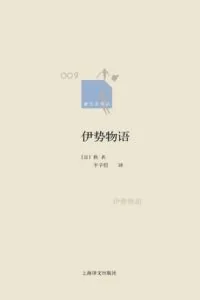
基本信息与出版版本
| 书名 | 伊势物语 |
|---|---|
| 作者 | 佚名 |
| 类别 | 日本古典文学、歌物语集 |
| 出版社 | 译林出版社 |
| ISBN | 9787544716581 |
| 电子书格式 | PDF / ePub / mobi / azw3 |
不同版本的出版社、译者、封面和排版可能存在差异;页数如果来源不足,本页不强行补写。实际电子书版本请以下载后的文件内容为准。
这本书主要讲什么
《伊势物语》作为日本平安时代初期成书的经典歌物语,是日本古典文学史上极具开创性的作品,它以125段独立又暗含关联的短篇章节,构建出一幅平安朝贵族生活与情感的细腻画卷。
中文书评
《伊势物语》是一部以爱情、离别和人生无常为核心的日本古典文学作品,它最动人的地方并不在于讲述一个完整曲折的故事,而是在简短的篇章与和歌之间,捕捉平安时代贵族男女细微而复杂的情感变化。作为日本平安时代初期形成的歌物语集,《伊势物语》由125段相互独立又彼此呼应的故事组成,以“昔男”的经历为中心,展现了一个充满审美意识、礼仪规范和情感压抑的时代。作品作者不详,但长期以来因大量收录在原业平相关和歌,并赋予主人公鲜明的歌人形象,而被视为日本古典文学的重要源流之一。
维基文库 +1 阅读《伊势物语》时,最明显的感受是它并不急于塑造英雄人物,而是在描写普通人的情感瞬间。作品中的“昔男”是一位多情而敏感的贵族男子,他的形象既接近浪漫主义诗人,也带有平安时代贵族男性的矛盾。他会为了追求心仪女子跨越身份差距,也会因为现实环境、家族关系和社会礼法而无法守护某些感情。例如作品中“昔男”与女子私奔的故事,表面上是爱情行动,背后却隐藏着身份压力、社会规则以及个人力量有限的问题。女子最终的命运变化,使这段关系从浪漫转向悲凉,也体现出作品对于爱情无法完全战胜现实的认识。
《伊势物语》的核心主题并不仅仅是男女爱情,更重要的是对“无常”的感受。平安时代贵族文化强调美感、季节变化和短暂瞬间,作品中的人物常常因为一次相遇、一句和歌、一场离别而产生强烈情绪。很多故事并没有传统意义上的高潮,而是在情感即将结束时留下余韵。比如人物面对远行、分离或旧日恋情消逝时,往往通过和歌表达无法直接说出的感情。这种含蓄表达让作品具有独特的东方美学,它关注的不是事件本身,而是人在事件之后留下的心理波动。
除了“昔男”,作品中的女性形象也值得关注。《伊势物语》中的女性并非单纯等待爱情出现的角色,她们常通过和歌回应男性,表达自己的期待、失望、思念和不甘。在平安时代严格的社会环境中,女性行动受到限制,但她们仍然能够借助文字和诗歌建立自己的情感空间。许多篇章中的女性形象具有敏锐的感受力,她们面对爱情时既有柔情,也有自尊,这使作品避免成为单纯的男性浪漫幻想。
这部作品最大的优点,是语言与结构共同创造出的留白感。125个短篇并不是传统长篇小说式的发展结构,而更像一组关于人生片段的收藏。每一个故事都很短,却能够通过几句描写和一首和歌留下丰富想象空间。这种写法对后来的日本物语文学、和歌文学产生了深远影响,也让现代读者能够从中看到日本古典审美中的“物哀”精神。不过,《伊势物语》的不足也很明显。由于作品诞生年代久远,现代读者如果缺少平安时代文化背景,可能会觉得部分章节情节简单,人物关系难以理解。同时,大量依靠和歌表达情绪的写法,也需要读者适应其含蓄节奏,否则容易认为故事缺少明确推进。
《伊势物语》适合喜欢日本古典文学、文学史、诗歌美学以及传统爱情题材的读者阅读。它并不是一本依靠强烈情节吸引人的作品,而是一部需要慢慢体会语言、情绪和时代气息的文学经典。对于想了解日本文学如何从贵族文化和和歌传统中发展出来的读者来说,这部作品具有很高的参考价值。 总体来看,《伊势物语》的魅力在于它记录的不只是古代贵族的爱情故事,而是人在面对相遇、错过、记忆和时间流逝时产生的复杂情感。它的价值并不随着时代远去而消失,反而因为对短暂人生体验的细腻描写,让今天的读者依然能够感受到其中的温柔、遗憾与美感。
English Review
The Tales of Ise is a remarkable work of classical Japanese literature that explores love, separation, memory, and the fragile nature of human relationships. Rather than presenting a single continuous plot, the work creates a series of brief but emotionally rich episodes connected through poetry and recurring images. As an early Heian-period uta monogatari, it consists of 125 sections that portray the life and experiences of the mysterious “man of old,” a figure traditionally associated with the poet Ariwara no Narihira.
Although the author remains unknown, the work has become one of the foundational texts of Japanese literary history because of its distinctive combination of narrative and waka poetry. The central strength of The Tales of Ise lies in its understanding of human emotion. The protagonist, often called the “man of old,” is portrayed as a refined and passionate aristocrat whose romantic encounters reveal both personal desire and the limitations imposed by society. He is not a heroic figure who overcomes every obstacle. Instead, he is someone caught between longing and reality.
His relationships with various women often begin with attraction and poetic exchange, but they are shaped by social status, family expectations, distance, and the instability of human affection. One of the most memorable aspects of the work is its treatment of love. In The Tales of Ise, romance is rarely presented as a simple journey toward happiness. Many relationships are defined by uncertainty, separation, and regret. The famous episode in which the “man of old” leaves with a woman illustrates this tension between passionate love and harsh reality.
What initially appears to be an act of devotion becomes a reflection on vulnerability, social pressure, and the inability of individuals to control their own fate. The work repeatedly suggests that even sincere feelings may not be enough to overcome circumstances. The theme of impermanence is equally important. The characters often respond to changing seasons, departures, and lost relationships through waka poems rather than direct conversation. These poems allow them to express emotions that cannot be openly spoken within the restrictive social environment of the Heian court.
A single image of autumn, a distant journey, or a remembered encounter can carry deep emotional meaning. This emphasis on fleeting beauty and quiet sadness represents one of the foundations of the Japanese aesthetic concept later associated with mono no aware. The female characters in the work are particularly interesting because they are not merely passive figures in romantic stories. Through their poems, they express disappointment, affection, resistance, and personal dignity.
Although Heian society limited women’s public roles, the women in The Tales of Ise often demonstrate emotional intelligence and artistic ability. Their responses to the “man of old” reveal complicated feelings rather than simple admiration or devotion. This gives the work a more balanced and thoughtful portrayal of relationships. The greatest achievement of The Tales of Ise is its ability to create lasting emotional impact with minimal narrative material. The short episodes leave considerable space for interpretation, allowing readers to focus on atmosphere, language, and psychological detail.
The combination of prose and poetry creates a unique rhythm that differs greatly from modern storytelling. However, this same quality can also become a challenge. Readers unfamiliar with Heian culture, aristocratic customs, or classical Japanese poetic conventions may find some episodes difficult to follow. The lack of a strong chronological structure and the reliance on subtle emotional expression may feel distant to those expecting a more dramatic narrative.
This work is especially suitable for readers interested in Japanese literature, classical poetry, cultural history, and traditional approaches to love and beauty. It is not a novel driven by action or suspense, but a literary collection that rewards patience and attention to language. Readers who appreciate quiet emotional conflicts and historical perspectives will find much to explore. Overall, The Tales of Ise remains an important masterpiece because it captures universal human experiences through the lens of Heian-period culture.
Its stories are rooted in a distant historical world, yet its concerns with love, longing, memory, and the passing of time remain recognizable. The work’s lasting power comes from its delicate portrayal of emotions that are often brief, unresolved, and deeply human.
我的阅读笔记
从现有资料看,它最值得关注的是:《伊势物语》作为日本平安时代初期成书的经典歌物语,是日本古典文学史上极具开创性的作品,它以125段独立又暗含关联的短篇章节,构建出一幅平安朝贵族生活与情感的细腻画卷。读《伊势物语》时,可以先抓住作者佚名怎样设置背景、人物目标和主要冲突,再看这些部分如何导向主题。
第二个重点是目录、前言和章节安排。如果它能继续推动人物选择、冲突升级和主题回响,这本书就更适合细读;如果只是信息并列,阅读价值会弱一些。
我觉得最值得看的地方
我觉得最值得看的地方,是它围绕“《伊势物语》作为日本平安时代初期成书的经典歌物语,是日本古典文学史上极具开创性的作品,它以125段独立又暗含关联的短篇章节,构建出一幅平安朝贵族生活与情感的细腻画卷”展开的部分。这一点能帮助读者进入作品真正的矛盾,而不是只停在题材表面。
如果你关注日本古典文学、歌物语集,可以读完一章后用一句话写下这一章的观点,再决定是否继续精读。这样读完后留下的不是零散印象,而是对人物、冲突和主题的清楚判断。
与同类书有什么区别
读《伊势物语》之前,先判断它属于日本古典文学、歌物语集里的哪一种:是入门科普、方法书、教材,还是案例型读物。这个判断比只看格式更有用。
第一次读重点看什么
第一次读《伊势物语》,先看它在回答什么问题,再看作者怎么展开。可以先抓这两点:《伊势物语》作为日本平安时代初期成书的经典歌物语,是日本古典文学史上极具开创性的作品,它以125段独立又暗含关联的短篇章节,构建出一幅平安朝贵族生活与情感的细腻画卷;再结合目录判断自己要不要细读。
- 《伊势物语》作为日本平安时代初期成书的经典歌物语,是日本古典文学史上极具开创性的作品,它以125段独立又暗含关联的短篇章节,构建出一幅平安朝贵族生活与情感的细腻画卷
哪些人适合读,哪些人可能不适合
如果你正在找《伊势物语》电子版,可以先确认 PDF / ePub / mobi / azw3 这些格式是否够用。想判断内容值不值得读,就看它在日本古典文学、歌物语集里解决的是哪类问题。
如果你需要的是完整纸质版校勘、特定译本差异或严格学术引用,请优先核对出版社、图书馆或 ISBN 书目系统;如果只是先找电子版阅读,则重点看格式、作者和版本字段是否符合自己的需求。
佚名和这本书的关系
佚名和《伊势物语》的关系,不只是“这本书的作者”这么简单。读这本书时,更值得看的是作者怎样处理日本古典文学、歌物语集方向里的核心问题,以及这些观点为什么会被整理成一本书。
如果你想评估这本书值不值得读,不要只看作者名气。更实用的办法是看作者提出的问题、使用的材料,以及这些内容能不能形成稳定的主题推进。
常见问题
《伊势物语》主要讲什么?
《伊势物语》主要围绕“《伊势物语》作为日本平安时代初期成书的经典歌物语,是日本古典文学史上极具开创性的作品,它以125段独立又暗含关联的短篇章节,构建出一幅平安朝贵族生活与情感的细腻画卷”展开。这个入口决定了作品的背景、冲突和主题方向。
《伊势物语》适合什么人读?
它适合愿意围绕《伊势物语》的主题、人物关系和结构推进慢慢读下去的读者。如果只想要非常轻快、直接、低门槛的阅读体验,可能不一定合适。
读《伊势物语》最该关注哪一点?
读《伊势物语》时,建议先看它提出了什么问题,再看作者佚名如何展开。真正决定阅读价值的,是人物选择、冲突发展和主题回响是否能互相支撑。
《伊势物语》电子书有哪些格式?
当前记录的格式为 PDF / ePub / mobi / azw3。实际可用文件、排版和版本信息,以页面底部资源模块和下载后的文件为准。
电子书格式与获取说明
当前页面记录《伊势物语》的电子书格式为 PDF / ePub / mobi / azw3。不同来源的电子书在排版、封面、译名和文件质量上可能会有差异,下载后请以实际文件信息为准。
