
《法律之门》是约翰·博西格诺的作品,当前资源标题记录的电子书格式为 PDF / ePub / mobi / azw3。这页先帮助读者确认书籍身份、内容主线和阅读预期,再核对实际文件状态。
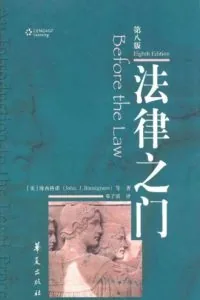
基本信息与出版版本
| 书名 | 法律之门 |
|---|---|
| 作者 | 约翰·博西格诺 |
| 类别 | 法学 / 社会学 / 通识教育 |
| 出版社 | 华夏出版社 |
| ISBN | 9787508027203 |
| 电子书格式 | PDF / ePub / mobi / azw3 |
不同版本的出版社、译者、封面和排版可能存在差异;页数如果来源不足,本页不强行补写。实际电子书版本请以下载后的文件内容为准。
这本书主要讲什么
《法律之门》(Before the Law: An Introduction to the Legal Process)是一本极其独特的法律入门书。它不是一本干巴巴的教科书,而像是一部由法官、警察、律师、哲学家和社会学家共同出演的纪录片。
中文书评
《法律之门》是一部少见的法律通识作品,它没有把法律写成由条文、概念和程序组成的封闭体系,而是试图回答一个更根本的问题:法律为什么存在,它如何进入社会生活,又如何影响普通人的选择与命运。作为约翰·博西格诺等作者编写的《Before the Law: An Introduction to the Legal Process》的中文版本,这本书采用跨学科方式介绍法律过程,将法院判例、社会学分析、历史观点、哲学讨论等材料结合起来,让读者看到法律背后的社会结构,而不仅仅是法律规则本身。
Google 图书 +1 这本书最大的特点,是它把法律系统放回真实社会中观察。许多法律教材习惯从规则出发,例如解释某条法律规定是什么、某个程序如何运行,而《法律之门》更关注规则为什么形成,以及规则在现实执行中会遇到什么问题。书中通过法官、律师、警察、陪审员、当事人等不同角色展现法律运行过程,让读者意识到法律并不是自动运转的机器,而是由具体的人在复杂环境中解释、执行和调整的制度。
作品涉及的核心主题非常广泛,其中一个重要问题是法律与正义之间的关系。书中讨论司法裁判时,并不简单认为法官只是机械适用规则,而是展示了法律解释背后的价值判断。例如,在涉及言论自由、平等保护、刑事处罚等问题时,同一套法律原则可能因为社会背景、利益冲突和价值观不同而产生不同理解。法律因此既是一套约束社会的规则,也是社会价值不断争论和调整的场域。
另一个重要主题是法律权力与个人权利之间的平衡。书中对警察权力、司法裁量、刑事程序等内容的讨论,让读者看到国家权力如何通过法律获得正当性,同时也提醒人们必须关注权力边界。比如警方在维护公共安全时需要一定调查权,但这种权力如果缺少限制,也可能影响个人自由。法律制度的意义,不只是让社会有秩序,也是在秩序与自由之间寻找合理界限。
书中的人物并非传统意义上的虚构角色,而更多是来自法律实践中的典型形象。法官代表制度内部的判断者,他们需要在法律文本、社会期待和个案公平之间寻找平衡;律师则体现了法律程序中的辩护功能,他们不仅是在争取胜诉,也是在维护程序正义;警察代表国家执行力量,他们面对的是规则与现实环境之间的矛盾;普通当事人则提醒读者,法律最终影响的是具体的人,而不是抽象概念。不同角色之间的关系,使这本书避免成为单纯理论介绍。
《法律之门》的优点在于视角开阔。它不仅介绍法律知识,还帮助读者建立理解法律的方法。对于没有接受过系统法学训练的人来说,这种写法比单纯背诵术语更容易进入法律思维。书中大量案例和社会背景分析,也增强了阅读过程中的现实感。读者能够看到法律如何处理犯罪、家庭关系、社会歧视、经济利益等具体问题。 当然,这本书也存在一定不足。由于内容覆盖范围较大,它并不是一本快速入门手册。部分章节涉及法律理论、社会学观点和制度分析,对于只想了解简单法律常识的读者来说,阅读难度会偏高。另外,由于作品主要建立在美国法律和社会背景之上,其中一些制度环境与中国读者熟悉的法律体系存在差异,需要读者理解其讨论对象的文化和制度背景。
这本书适合希望建立法律基础认知的学生、社会科学爱好者、准备学习法学的人,以及希望理解社会运行规则的普通读者。它并不要求读者具备法律专业知识,但需要一定耐心,因为它提供的不是几个法律结论,而是一种观察法律的方法。 总体来看,《法律之门》的价值不在于告诉读者记住多少法律条文,而在于帮助人们理解法律作为社会制度的复杂性。它展示了法律如何连接个人、机构和社会,也揭示了公平、权力、自由和秩序之间长期存在的张力。对于想真正理解法律为何如此运行的人来说,这是一部具有启发性的作品。
English Review
Before the Law: An Introduction to the Legal Process is a distinctive introduction to law because it does not treat the legal system as a simple collection of rules and procedures. Instead, John J. Bonsignore and his coauthors present law as a living social institution shaped by history, culture, politics, professional practices, and human judgment. The book takes an interdisciplinary approach, combining legal cases with perspectives from sociology, philosophy, history, psychology, and anthropology to explain how law functions within society.
Google The greatest strength of the book is its decision to look beyond legal doctrine. Many introductory law books begin with definitions, statutes, and formal procedures. Before the Law asks deeper questions: Why do societies create legal systems? How do legal institutions gain authority? Why do disagreements about justice continue even when laws already exist? Through these questions, the book shows that law is not an automatic machine that produces perfect answers. It is a human system that depends on interpretation, institutional choices, and competing social values.
One of the central themes of the book is the relationship between law and justice. The authors examine how judges, lawyers, and legal institutions interpret principles such as fairness, equality, responsibility, and individual rights. A judge is not simply a person who applies written rules without thought. Judges must often decide how broad principles should operate in difficult situations where different interests collide.
The discussions of constitutional issues, criminal justice, discrimination, and social conflicts demonstrate that legal decisions frequently involve moral and political questions as well as technical reasoning. Another major theme is the balance between public authority and individual freedom. The book explores the role of police officers, courts, and government institutions in maintaining order while also limiting possible abuses of power. The tension between security and liberty appears repeatedly throughout legal history.
For example, law enforcement agencies may need strong investigative powers to protect society, but those powers require boundaries to prevent unnecessary intrusion into personal life. The book emphasizes that the rule of law is not only about enforcing rules; it is also about controlling how power is exercised. The “characters” of this work are not fictional protagonists but real-world legal actors. Judges represent the challenge of making decisions within imperfect circumstances. Lawyers represent the adversarial process and the importance of giving competing arguments a place in legal proceedings.
Police officers represent the practical difficulties of enforcing legal standards in everyday situations. Ordinary citizens and litigants remind readers that legal institutions ultimately affect individual lives, families, and communities rather than existing only as abstract theories. The book’s greatest advantage is its broad perspective. It helps readers develop a way of thinking about law instead of merely memorizing legal terms. The use of court decisions, historical examples, and social analysis makes legal concepts more concrete.
Readers can see how issues such as criminal punishment, civil disputes, discrimination, family relationships, and political conflicts become legal questions. However, the book is not without limitations. Because it covers a wide range of topics, it can feel demanding for readers who are looking for a short and practical introduction to basic legal knowledge. Some sections require patience because they involve theoretical discussions and institutional analysis rather than straightforward explanations.
In addition, much of the discussion is based on the American legal system, so readers from other legal cultures need to consider the historical and institutional differences when applying its ideas. This book is best suited for university students, readers interested in social sciences, future law students, and anyone who wants to understand how legal institutions shape society. It does not require professional legal training, but it rewards readers who are willing to engage with complex questions rather than search for simple answers.
Overall, Before the Law is valuable because it teaches readers how to see law as a social process. Its importance lies not in providing a list of legal rules, but in showing how law connects individuals, institutions, and broader social values. By examining the conflicts between justice, authority, freedom, and order, the book offers a thoughtful and realistic introduction to the meaning and practice of law.
我的阅读笔记
从现有资料看,它最值得关注的是:《法律之门》(Before the Law: An Introduction to the Legal Process)是一本极其独特的法律入门书。读《法律之门》时,可以先抓住作者约翰·博西格诺怎样设置背景、人物目标和主要冲突,再看这些部分如何导向主题。
第二个重点是它不是一本干巴巴的教科书,而像是一部由法官、警察、律师、哲学家和社会学家共同出演的纪录片。如果它能继续推动人物选择、冲突升级和主题回响,这本书就更适合细读;如果只是信息并列,阅读价值会弱一些。
我觉得最值得看的地方
我觉得最值得看的地方,首先是它如何展开主题:《法律之门》(Before the Law: An Introduction to the Legal Process)是一本极其独特的法律入门书。其次是它是否能把问题讲清楚:它不是一本干巴巴的教科书,而像是一部由法官、警察、律师、哲学家和社会学家共同出演的纪录片。这两点决定了它是只适合快速翻阅,还是值得花时间细读。
如果你关注法学 / 社会学 / 通识教育,可以读完一章后用一句话写下这一章的观点,再决定是否继续精读。这样读完后留下的不是零散印象,而是对人物、冲突和主题的清楚判断。
与同类书有什么区别
读《法律之门》之前,先判断它属于法学 / 社会学 / 通识教育里的哪一种:是入门科普、方法书、教材,还是案例型读物。这个判断比只看格式更有用。
第一次读重点看什么
第一次读《法律之门》,先看它在回答什么问题,再看作者怎么展开。可以先抓这两点:《法律之门》(Before the Law: An Introduction to the Legal Process)是一本极其独特的法律入门书;它不是一本干巴巴的教科书,而像是一部由法官、警察、律师、哲学家和社会学家共同出演的纪录片。
- 《法律之门》(Before the Law: An Introduction to the Legal Process)是一本极其独特的法律入门书
- 它不是一本干巴巴的教科书,而像是一部由法官、警察、律师、哲学家和社会学家共同出演的纪录片
哪些人适合读,哪些人可能不适合
如果你正在找《法律之门》电子版,可以先确认 PDF / ePub / mobi / azw3 这些格式是否够用。想判断内容值不值得读,就看它在法学 / 社会学 / 通识教育里解决的是哪类问题。
如果你需要的是完整纸质版校勘、特定译本差异或严格学术引用,请优先核对出版社、图书馆或 ISBN 书目系统;如果只是先找电子版阅读,则重点看格式、作者和版本字段是否符合自己的需求。
约翰·博西格诺和这本书的关系
约翰·博西格诺和《法律之门》的关系,不只是“这本书的作者”这么简单。读这本书时,更值得看的是作者怎样处理法学 / 社会学 / 通识教育方向里的核心问题,以及这些观点为什么会被整理成一本书。
如果你想评估这本书值不值得读,不要只看作者名气。更实用的办法是看作者提出的问题、使用的材料,以及这些内容能不能形成稳定的主题推进。
常见问题
《法律之门》主要讲什么?
《法律之门》主要围绕“《法律之门》(Before the Law: An Introduction to the Legal Process)是一本极其独特的法律入门书”展开。这个入口决定了作品的背景、冲突和主题方向。 另一条重要线索是:它不是一本干巴巴的教科书,而像是一部由法官、警察、律师、哲学家和社会学家共同出演的纪录片。
《法律之门》适合什么人读?
它适合愿意围绕《法律之门》的主题、人物关系和结构推进慢慢读下去的读者。如果只想要非常轻快、直接、低门槛的阅读体验,可能不一定合适。
读《法律之门》最该关注哪一点?
读《法律之门》时,建议先看它提出了什么问题,再看作者约翰·博西格诺如何展开。真正决定阅读价值的,是人物选择、冲突发展和主题回响是否能互相支撑。
《法律之门》电子书有哪些格式?
当前记录的格式为 PDF / ePub / mobi / azw3。实际可用文件、排版和版本信息,以页面底部资源模块和下载后的文件为准。
电子书格式与获取说明
当前页面记录《法律之门》的电子书格式为 PDF / ePub / mobi / azw3。不同来源的电子书在排版、封面、译名和文件质量上可能会有差异,下载后请以实际文件信息为准。
