
《无条件养育》是艾尔菲·科恩的作品,当前资源标题记录的电子书格式为 PDF / ePub / mobi / azw3。这页先帮助读者确认书籍身份、内容主线和阅读预期,再核对实际文件状态。
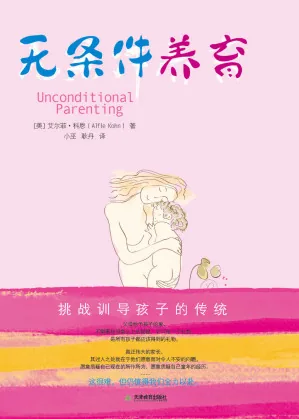
基本信息与出版版本
| 书名 | 无条件养育 |
|---|---|
| 作者 | 艾尔菲·科恩 |
| 类别 | 育儿 / 教育心理学 / 家庭教育 |
| 出版社 | 天津教育出版社 |
| ISBN | 9787530966372 |
| 电子书格式 | PDF / ePub / mobi / azw3 |
不同版本的出版社、译者、封面和排版可能存在差异;页数如果来源不足,本页不强行补写。实际电子书版本请以下载后的文件内容为准。
这本书主要讲什么
《无条件养育》(Unconditional Parenting)是美国著名教育家艾尔菲·科恩的代表作。科恩在书中犀利地指出,现代主流育儿方式(包括“计时隔离/Time-out”、小红花奖励、口头表扬)其实都是一种“爱的撤回”策略。
中文书评
《无条件养育》是一本会让父母重新审视自己与孩子关系的教育心理学作品。它并不是一本教家长如何快速解决孩子“不听话”问题的技巧书,而是从更根本的角度追问:我们希望孩子服从,还是希望孩子真正成长?艾尔菲·科恩在书中提出,许多看似有效的传统育儿方式,例如奖励、小红花、惩罚、计时隔离等,可能只是帮助成年人暂时控制孩子的行为,却没有真正回应孩子内心的需求。作品核心观点是,孩子需要的是不依赖表现、不以成绩或行为交换的爱与尊重。
Alfie Kohn 这本书的背景建立在现代家庭教育中普遍存在的焦虑之上。很多父母希望通过明确规则、奖励机制和惩罚措施,让孩子变得自律、优秀、有竞争力。但科恩认为,如果孩子长期感受到“只有做得好才会得到认可”,他们可能会逐渐把父母的评价当作衡量自身价值的标准。书中针对“奖励是否真的能培养积极性”“惩罚是否真的能帮助孩子理解错误”等问题展开讨论,试图改变人们习惯性的教育逻辑。
SoBrief 作品最重要的主题,是区分“控制孩子”和“支持孩子成长”。科恩并不是主张父母完全放任孩子,而是强调父母需要关注行为背后的原因。例如,一个孩子拒绝整理房间,表面看是“不听话”,但背后可能涉及自主感、参与感或者家庭沟通方式的问题。如果父母只是通过扣除娱乐时间或给予奖励来推动孩子行动,孩子学到的可能只是如何避免惩罚、获得好处,而不是理解责任本身。书中反复强调,真正有效的教育应该帮助孩子发展判断力、同理心和解决问题的能力。
微信读书 书中的“人物”并不是传统小说中的角色,而是大量现实家庭中的父母与孩子案例。科恩关注的主要对象,是那些希望成为好父母、却在现实压力中不断使用控制方式的成年人。例如,一位家长可能在孩子考试成绩下降后,下意识表现失望,希望借此激励孩子努力;但孩子接收到的信息却可能是“成绩不好时,我不再值得被认可”。类似的亲子冲突贯穿全书:父母想培养责任感,孩子却感受到压力;父母想帮助孩子成功,孩子却可能逐渐依赖外部评价。科恩通过这些家庭情境说明,亲子关系中的安全感和信任,比短期服从更加重要。
微信读书 这本书最大的优点,是它敢于挑战许多被广泛接受的育儿习惯。它没有简单告诉父母“多鼓励孩子”“少批评孩子”,而是进一步追问这些行为背后的心理影响。例如,表扬孩子“你真聪明”是否会让孩子更愿意面对挑战,奖励孩子完成任务是否会削弱孩子对事情本身的兴趣。这种反思角度让作品具有较强的启发性,也让读者意识到育儿不仅是管理孩子行为,更是在塑造孩子看待自己和世界的方式。
不过,《无条件养育》也存在一定不足。科恩的观点具有较强的批判性,对于习惯使用规则、奖励和惩罚体系的家庭来说,阅读过程中可能会感到压力甚至抵触。此外,书中提出的理念需要父母投入较多耐心和自我调整能力,在现实生活中面对工作压力、家庭矛盾和孩子个体差异时,并不一定能够完全照搬。部分读者可能会希望看到更多具体场景下的操作步骤,而不是更多理念层面的讨论。 这本书适合正在思考亲子关系的父母阅读,尤其适合那些发现孩子越来越依赖奖励、害怕失败,或者自己经常陷入“催促、批评、后悔”循环的家长。它同样适合教师、教育工作者以及关注儿童心理成长的人群,因为书中的许多观点不仅适用于家庭,也涉及成年人如何理解儿童的发展需求。
总体来看,《无条件养育》并不是一本提供简单答案的育儿指南,而是一场关于教育目的的重新思考。艾尔菲·科恩希望父母放下“如何让孩子听话”的单一目标,转而关注“如何帮助孩子成为一个完整的人”。这本书的价值不在于提供一套万能方法,而在于提醒读者:真正稳定的亲子关系,不应该建立在表现交换之上,而应该建立在理解、尊重和持续的信任之中。 Alfie Kohn
English Review
Unconditional Parenting by Alfie Kohn is a challenging and thought-provoking work on parenting, education, and the emotional foundation of the parent-child relationship. Rather than presenting a collection of techniques for making children behave better, the book questions the basic assumptions behind many common parenting practices. Kohn argues that the central issue is not how adults can gain more control over children, but how parents can understand what children genuinely need in order to grow into confident, responsible, and caring individuals.
The book’s main argument is that children need unconditional love and acceptance, not approval that depends on achievement, obedience, or performance. Alfie Kohn The background of the book comes from a culture of modern parenting that often emphasizes results. Many parents rely on reward systems, praise, punishment, and behavioral control because these methods appear practical and effective in daily life. Kohn examines these familiar approaches and argues that they may solve immediate problems while creating deeper issues.
For example, a child who receives rewards for good grades may become focused on the reward rather than the process of learning. A child who experiences punishment after making mistakes may learn how to avoid consequences rather than understand the impact of their actions. Kohn’s purpose is not simply to criticize parents, but to encourage them to reconsider what kind of relationship they want to build with their children. SoBrief The core theme of Unconditional Parenting is the difference between controlling children and supporting their development.
Kohn does not suggest that parents should remove all boundaries or allow children to make every decision. Instead, he argues that guidance should come from respect and cooperation rather than fear or manipulation. One example discussed throughout the book is the common situation where a child refuses to cooperate with a parent’s request. Traditional methods may focus on forcing compliance through punishment or incentives. Kohn encourages parents to look deeper: Why is the child resisting? What need or feeling is behind the behavior?
This approach shifts parenting from controlling actions to understanding the person behind those actions. The main figures in this book are ordinary parents and children facing everyday conflicts. Kohn describes situations in which parents unintentionally send conditional messages. A parent may become disappointed when a child performs poorly in school, believing that criticism will motivate improvement. However, the child may interpret that reaction as evidence that love and approval depend on success.
Another recurring conflict involves discipline: parents often want children to become responsible, but excessive control can prevent children from developing their own judgment. Through these examples, Kohn explores how family interactions influence children’s self-esteem, motivation, and sense of security. One of the book’s greatest strengths is its willingness to challenge widely accepted ideas about parenting. Kohn does not simply suggest being kinder or more patient; he examines the psychological effects of everyday choices.
His discussion of praise, rewards, and punishment encourages readers to ask whether their methods are helping children develop internal motivation or merely teaching them to seek external approval. The book is especially powerful because it connects small daily interactions, such as responding to mistakes or commenting on achievements, with larger questions about identity and emotional development. However, the book also has limitations. Kohn’s arguments are strong and sometimes deliberately provocative, which may feel unrealistic or uncomfortable for parents who rely heavily on traditional discipline methods.
Some readers may find that the book provides more philosophical discussion than step-by-step solutions for specific family situations. Applying its ideas requires patience, reflection, and a willingness to change long-established habits. In real households, parents must also balance unconditional acceptance with practical responsibilities, safety rules, and social expectations. Unconditional Parenting is best suited for parents who want to rethink their approach to raising children, especially those who feel trapped in cycles of constant reminders, criticism, rewards, and negotiations.
It is also valuable for teachers, educators, and anyone interested in child development because many of its ideas concern how adults understand children’s emotions, choices, and motivations. Overall, Unconditional Parenting is less a manual of parenting tricks and more a reconsideration of what parenting is supposed to achieve. Alfie Kohn argues that the goal of education should not simply be producing obedient children, but supporting young people as they develop independence, empathy, and a stable sense of self.
The book’s lasting value comes from its central question: are adults raising children to satisfy expectations, or are they creating the conditions in which children can truly grow? Alfie Kohn
我的阅读笔记
从现有资料看,它最值得关注的是:《无条件养育》(Unconditional Parenting)是美国著名教育家艾尔菲·科恩的代表作。读《无条件养育》时,可以先抓住作者艾尔菲·科恩怎样设置背景、人物目标和主要冲突,再看这些部分如何导向主题。
第二个重点是科恩在书中犀利地指出,现代主流育儿方式(包括“计时隔离/Time-out”、小红花奖励、口头表扬)其实都是一种“爱的撤回”策略。如果它能继续推动人物选择、冲突升级和主题回响,这本书就更适合细读;如果只是信息并列,阅读价值会弱一些。
我觉得最值得看的地方
我觉得最值得看的地方,首先是它如何展开主题:《无条件养育》(Unconditional Parenting)是美国著名教育家艾尔菲·科恩的代表作。其次是它是否能把问题讲清楚:科恩在书中犀利地指出,现代主流育儿方式(包括“计时隔离/Time-out”、小红花奖励、口头表扬)其实都是一种“爱的撤回”策略。这两点决定了它是只适合快速翻阅,还是值得花时间细读。
如果你关注育儿 / 教育心理学 / 家庭教育,可以读完一章后用一句话写下这一章的观点,再决定是否继续精读。这样读完后留下的不是零散印象,而是对人物、冲突和主题的清楚判断。
与同类书有什么区别
读《无条件养育》之前,先判断它属于育儿 / 教育心理学 / 家庭教育里的哪一种:是入门科普、方法书、教材,还是案例型读物。这个判断比只看格式更有用。
第一次读重点看什么
第一次读《无条件养育》,先看它在回答什么问题,再看作者怎么展开。可以先抓这两点:《无条件养育》(Unconditional Parenting)是美国著名教育家艾尔菲·科恩的代表作;科恩在书中犀利地指出,现代主流育儿方式(包括“计时隔离/Time-out”、小红花奖励、口头表扬)其实都是一种“爱的撤回”策略。
- 《无条件养育》(Unconditional Parenting)是美国著名教育家艾尔菲·科恩的代表作
- 科恩在书中犀利地指出,现代主流育儿方式(包括“计时隔离/Time-out”、小红花奖励、口头表扬)其实都是一种“爱的撤回”策略
哪些人适合读,哪些人可能不适合
如果你正在找《无条件养育》电子版,可以先确认 PDF / ePub / mobi / azw3 这些格式是否够用。想判断内容值不值得读,就看它在育儿 / 教育心理学 / 家庭教育里解决的是哪类问题。
如果你需要的是完整纸质版校勘、特定译本差异或严格学术引用,请优先核对出版社、图书馆或 ISBN 书目系统;如果只是先找电子版阅读,则重点看格式、作者和版本字段是否符合自己的需求。
艾尔菲·科恩和这本书的关系
艾尔菲·科恩和《无条件养育》的关系,不只是“这本书的作者”这么简单。读这本书时,更值得看的是作者怎样处理育儿 / 教育心理学 / 家庭教育方向里的核心问题,以及这些观点为什么会被整理成一本书。
如果你想评估这本书值不值得读,不要只看作者名气。更实用的办法是看作者提出的问题、使用的材料,以及这些内容能不能形成稳定的主题推进。
常见问题
《无条件养育》主要讲什么?
《无条件养育》主要围绕“《无条件养育》(Unconditional Parenting)是美国著名教育家艾尔菲·科恩的代表作”展开。这个入口决定了作品的背景、冲突和主题方向。 另一条重要线索是:科恩在书中犀利地指出,现代主流育儿方式(包括“计时隔离/Time-out”、小红花奖励、口头表扬)其实都是一种“爱的撤回”策略。
《无条件养育》适合什么人读?
它适合愿意围绕《无条件养育》的主题、人物关系和结构推进慢慢读下去的读者。如果只想要非常轻快、直接、低门槛的阅读体验,可能不一定合适。
读《无条件养育》最该关注哪一点?
读《无条件养育》时,建议先看它提出了什么问题,再看作者艾尔菲·科恩如何展开。真正决定阅读价值的,是人物选择、冲突发展和主题回响是否能互相支撑。
《无条件养育》电子书有哪些格式?
当前记录的格式为 PDF / ePub / mobi / azw3。实际可用文件、排版和版本信息,以页面底部资源模块和下载后的文件为准。
电子书格式与获取说明
当前页面记录《无条件养育》的电子书格式为 PDF / ePub / mobi / azw3。不同来源的电子书在排版、封面、译名和文件质量上可能会有差异,下载后请以实际文件信息为准。
