
《科研项目完全指南》是朱迪丝·贝尔的作品,当前资源标题记录的电子书格式为 PDF / ePub / mobi / azw3。这页先帮助读者确认书籍身份、内容主线和阅读预期,再核对实际文件状态。
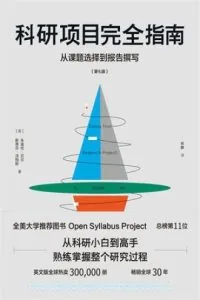
基本信息与出版版本
| 书名 | 科研项目完全指南 |
|---|---|
| 作者 | 朱迪丝·贝尔 |
| 类别 | 学术写作 / 研究方法 / 教育学 |
| 出版社 | 北京大学出版社 |
| ISBN | 9787301298862 |
| 电子书格式 | PDF / ePub / mobi / azw3 |
不同版本的出版社、译者、封面和排版可能存在差异;页数如果来源不足,本页不强行补写。实际电子书版本请以下载后的文件内容为准。
这本书主要讲什么
《科研项目完全指南:从选题到结题》(Doing Your Research Project: A Guide for First-Time Researchers)是英国开放大学教授朱迪丝·贝尔的传世之作,现已更新至第七版(由斯蒂
中文书评
《科研项目完全指南》是一部真正站在初学研究者角度写成的科研入门作品。它没有把科研描绘成少数专家才能完成的复杂活动,而是把一个完整研究项目拆解为普通学生和新手研究者可以逐步理解和执行的过程。作为朱迪丝·贝尔长期教学与研究经验的总结,这本书自1987年出版以来不断修订,目前已经成为英美高校研究方法课程中的经典参考书之一。 豆瓣读书 +1 它关注的不是某个具体学科的知识结论,而是一个研究者如何从模糊想法出发,形成可靠问题,收集证据,并最终完成一份有逻辑的研究报告。
作品最突出的主题,是帮助读者建立完整的研究流程意识。很多第一次进行论文写作或课题研究的人,最大的困难并不是不会查资料,而是不知道从哪里开始,也不知道每一步为什么要这样做。《科研项目完全指南》针对的正是这种迷茫。书中围绕选题、研究问题设计、研究方法选择、文献阅读、资料收集、数据分析以及报告撰写展开,强调研究不是简单的信息堆积,而是一系列相互关联的判断过程。比如,一个学生想研究校园学习压力问题,真正困难的地方并不是找到几个相关案例,而是如何把“学习压力很大”转化为可以研究的问题,如何决定采用问卷、访谈还是观察方法,以及如何避免自己的预设影响研究结果。
书中的核心人物并不是传统意义上的故事角色,而是参与研究过程中的“研究者”。其中最鲜明的人物形象,是那些刚开始面对科研任务的本科生、研究生和教育工作者。他们往往带着不确定感进入研究:选题是否有价值?资料是否足够?方法是否合理?结论是否可信?作者没有把这些问题简单归结为能力不足,而是展示了研究者如何通过规划、记录和反思逐步解决困难。这样的处理让读者容易产生代入感,因为书中的“主人公”其实就是每一个第一次独立开展研究的人。
朱迪丝·贝尔在书中体现出的教育理念也值得关注。她强调研究过程中的规范意识,例如科研伦理、引用规则、资料管理和证据解释的重要性。这些内容看似基础,却决定了一项研究是否可靠。例如,在访谈研究中,研究者不仅要设计问题,还需要考虑受访者权益、信息记录方式以及如何解释不同观点之间的差异。这种关注细节的写法,使作品不仅适合作为论文写作指南,也能帮助读者培养更严谨的思考方式。
豆瓣阅读 +1 这本书的优点在于结构清晰、实践性强。它不像一些研究方法教材那样充满抽象概念,而是不断回到实际操作场景。读者可以跟随章节理解一个项目从开始到结束的变化过程。尤其对于没有科研经验的人来说,书中关于如何确定研究问题、如何整理文献、如何设计调查和如何撰写研究报告的部分,具有很强的指导价值。 当然,作品也存在一定不足。由于它主要面向教育学和社会科学领域的研究者,其中大量案例和方法更贴近调查、访谈、观察等研究方式,对于纯实验科学、工程技术研究或高度依赖数学模型的领域,帮助会相对有限。另外,随着数字工具和人工智能辅助研究的发展,部分资料管理和在线研究方法相比今天的环境略显传统,需要读者结合新的工具和规范进行补充。
适合阅读这本书的人,包括正在准备本科毕业论文、硕士论文的学生,希望开展小型研究项目的教师,以及刚进入学术领域、需要建立研究方法基础的新人。它并不承诺让读者迅速成为专业研究者,但能够帮助读者避免最常见的研究误区,让原本混乱的科研任务变得更加清晰。 总体来看,《科研项目完全指南》是一部重视过程、强调实践的研究方法作品。它最大的价值,不在于提供某个固定答案,而是在于训练读者如何提出问题、寻找证据和形成自己的判断。对于第一次踏上研究道路的人来说,这本书像一位经验丰富的指导者,帮助他们理解科研并不是遥不可及的专业活动,而是一套可以学习、练习和不断改进的方法。
English Review
Doing Your Research Project: A Guide for First-Time Researchers, known in Chinese as, is a practical and thoughtful introduction to academic research. Written by Judith Bell, with later editions updated with Stephen Waters, the book has become a widely recognized guide for students and beginning researchers. Its long publication history and repeated revisions reflect its continuing relevance as a research methods handbook.
Rather than presenting research as an activity reserved for experts, the book explains how ordinary students and early-career researchers can gradually develop the skills needed to complete a meaningful project. The central theme of the book is the journey from uncertainty to structured inquiry. Many new researchers struggle not because they lack information, but because they do not know how to transform a general interest into a workable research project. Bell focuses on this transition.
She explains how researchers move from selecting a topic to developing research questions, choosing appropriate methods, collecting evidence, analyzing findings, and writing a final report. The book presents research as a sequence of careful decisions rather than a simple process of gathering facts. The main “characters” of the book are the researchers themselves, especially students facing their first independent projects. They are often uncertain about whether their topics are valuable, whether their methods are suitable, and whether their conclusions can be trusted.
Bell portrays these researchers realistically. Their difficulties are not treated as personal failures, but as normal stages of learning. A student investigating educational inequality, for example, must decide whether to conduct interviews, analyze existing documents, or design a survey. Each choice creates different possibilities and limitations, and the book helps readers understand how to make those choices responsibly. One of the strongest aspects of the work is its attention to research practice.
Bell does not focus only on theories of methodology; she explains how research decisions affect the quality of a final study. Topics such as literature reviews, citation practices, research ethics, interviews, observation, questionnaires, and data interpretation are connected to real problems researchers encounter. A researcher conducting interviews, for instance, must consider not only what questions to ask but also how to respect participants, organize responses, and avoid forcing evidence to match personal expectations. The book’s greatest strength is its clarity and organization.
It provides a complete picture of the research process and gives beginners a sense of direction. Instead of overwhelming readers with complicated terminology, it breaks difficult tasks into manageable steps. This makes the book especially useful for undergraduate students preparing dissertations, graduate students starting thesis projects, and educators who need a reliable foundation in research methods. However, the book also has limitations.
Because much of its approach is rooted in education and social science research, some examples and methods are more directly relevant to qualitative studies, surveys, interviews, and observational research. Readers working in fields such as engineering, laboratory science, or highly technical quantitative research may need additional specialized guidance. In addition, some discussions of digital research tools reflect the period in which the book was developed and may require adaptation to newer technologies and current academic practices.
The ideal readers for this book are those who are beginning their research journey and need a practical framework. It is particularly valuable for people who feel uncertain about how to start a project, organize information, or turn scattered ideas into a coherent study. The book does not promise instant expertise; instead, it teaches habits of careful planning, critical thinking, and responsible evidence handling. Overall, Doing Your Research Project: A Guide for First-Time Researchers remains a valuable work because it treats research as a learnable process.
Its lasting contribution is not a collection of fixed answers, but a method for approaching questions systematically. For anyone taking their first steps into academic research, the book offers a clear and realistic understanding of what researchers actually do and how a successful project is built from beginning to end.
我的阅读笔记
从现有资料看,它最值得关注的是:《科研项目完全指南:从选题到结题》(Doing Your Research Project: A Guide for First-Time Researchers)是英国开放大学教授朱迪丝·贝尔的传世之作,现已更新至第七版(由斯蒂。读《科研项目完全指南》时,可以先抓住作者朱迪丝·贝尔怎样设置背景、人物目标和主要冲突,再看这些部分如何导向主题。
第二个重点是目录、前言和章节安排。如果它能继续推动人物选择、冲突升级和主题回响,这本书就更适合细读;如果只是信息并列,阅读价值会弱一些。
我觉得最值得看的地方
我觉得最值得看的地方,是它围绕“《科研项目完全指南:从选题到结题》(Doing Your Research Project: A Guide for First-Time Researchers)是英国开放大学教授朱迪丝·贝尔的传世之作,现已更新至第七版(由斯蒂”展开的部分。这一点能帮助读者进入作品真正的矛盾,而不是只停在题材表面。
如果你关注学术写作 / 研究方法 / 教育学,可以读完一章后用一句话写下这一章的观点,再决定是否继续精读。这样读完后留下的不是零散印象,而是对人物、冲突和主题的清楚判断。
与同类书有什么区别
读《科研项目完全指南》之前,先判断它属于学术写作 / 研究方法 / 教育学里的哪一种:是入门科普、方法书、教材,还是案例型读物。这个判断比只看格式更有用。
第一次读重点看什么
第一次读《科研项目完全指南》,先看它在回答什么问题,再看作者怎么展开。可以先抓这两点:《科研项目完全指南:从选题到结题》(Doing Your Research Project: A Guide for First-Time Researchers)是英国开放大学教授朱迪丝·贝尔的传世之作,现已更新至第七版(由斯蒂;再结合目录判断自己要不要细读。
- 《科研项目完全指南:从选题到结题》(Doing Your Research Project: A Guide for First-Time Researchers)是英国开放大学教授朱迪丝·贝尔的传世之作,现已更新至第七版(由斯蒂
哪些人适合读,哪些人可能不适合
如果你正在找《科研项目完全指南》电子版,可以先确认 PDF / ePub / mobi / azw3 这些格式是否够用。想判断内容值不值得读,就看它在学术写作 / 研究方法 / 教育学里解决的是哪类问题。
如果你需要的是完整纸质版校勘、特定译本差异或严格学术引用,请优先核对出版社、图书馆或 ISBN 书目系统;如果只是先找电子版阅读,则重点看格式、作者和版本字段是否符合自己的需求。
朱迪丝·贝尔和这本书的关系
朱迪丝·贝尔和《科研项目完全指南》的关系,不只是“这本书的作者”这么简单。读这本书时,更值得看的是作者怎样处理学术写作 / 研究方法 / 教育学方向里的核心问题,以及这些观点为什么会被整理成一本书。
如果你想评估这本书值不值得读,不要只看作者名气。更实用的办法是看作者提出的问题、使用的材料,以及这些内容能不能形成稳定的主题推进。
常见问题
《科研项目完全指南》主要讲什么?
《科研项目完全指南》主要围绕“《科研项目完全指南:从选题到结题》(Doing Your Research Project: A Guide for First-Time Researchers)是英国开放大学教授朱迪丝·贝尔的传世之作,现已更新至第七版(由斯蒂”展开。这个入口决定了作品的背景、冲突和主题方向。
《科研项目完全指南》适合什么人读?
它适合愿意围绕《科研项目完全指南》的主题、人物关系和结构推进慢慢读下去的读者。如果只想要非常轻快、直接、低门槛的阅读体验,可能不一定合适。
读《科研项目完全指南》最该关注哪一点?
读《科研项目完全指南》时,建议先看它提出了什么问题,再看作者朱迪丝·贝尔如何展开。真正决定阅读价值的,是人物选择、冲突发展和主题回响是否能互相支撑。
《科研项目完全指南》电子书有哪些格式?
当前记录的格式为 PDF / ePub / mobi / azw3。实际可用文件、排版和版本信息,以页面底部资源模块和下载后的文件为准。
电子书格式与获取说明
当前页面记录《科研项目完全指南》的电子书格式为 PDF / ePub / mobi / azw3。不同来源的电子书在排版、封面、译名和文件质量上可能会有差异,下载后请以实际文件信息为准。
