
《精要主义》是格雷戈·麦吉沃恩的作品,当前资源标题记录的电子书格式为 PDF / ePub / mobi / azw3。这页先帮助读者确认书籍身份、内容主线和阅读预期,再核对实际文件状态。
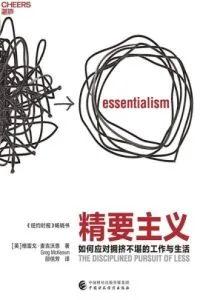
基本信息与出版版本
| 书名 | 精要主义 |
|---|---|
| 作者 | 格雷戈·麦吉沃恩 |
| 类别 | 时间管理 / 个人成长 / 商业思维 |
| 出版社 | 浙江人民出版社 / 中信出版社 |
| ISBN | 9787213071379 |
| 电子书格式 | PDF / ePub / mobi / azw3 |
不同版本的出版社、译者、封面和排版可能存在差异;页数如果来源不足,本页不强行补写。实际电子书版本请以下载后的文件内容为准。
这本书主要讲什么
《精要主义:如何应对拥挤不堪的工作与生活》(Essentialism: The Disciplined Pursuit of Less)是格雷戈·麦吉沃恩的代表作,曾长期占据《纽约时报》畅销书榜首。
中文书评
《精要主义》是一部真正针对现代人“忙碌却失去重点”状态提出解决方案的个人成长作品。它并不是一本简单讲时间管理技巧的书,而是在讨论一个更根本的问题:一个人的时间、精力和注意力究竟应该投入在哪里。格雷戈·麦吉沃恩通过这本书提出“精要主义”的生活方式,强调不是做更多事情,而是选择真正重要的事情,并持续投入。作品自出版后受到广泛关注,成为长期畅销的个人成长类作品,也让“少而重要”的理念进入了许多职场人士和管理者的日常思考。
gregmckeown.com +1 这本书的背景来自一个非常现实的时代问题:信息越来越多,选择越来越多,但人的时间和注意力始终有限。很多人在工作中同时承担多个项目,在生活中不断回应他人的需求,最后形成一种“每天都很忙,却没有真正推进重要目标”的状态。麦吉沃恩并没有把问题归结为效率不足,而是指出很多人的核心错误在于没有进行有效筛选。他认为,真正高效的人并不是比别人承担更多,而是更清楚哪些事情值得承担。
作品的核心主题可以概括为“探索、筛选、排除、执行”。作者首先要求读者重新审视自己的选择,不要默认每一个机会都值得接受。书中反复强调一个关键判断:如果一件事情不是极其重要,就应该考虑放弃。这个观点看似简单,但真正执行时会遇到明显阻力。例如,在职场环境中,很多人害怕拒绝领导安排的任务,担心错过机会,或者认为承担更多工作才能证明价值。麦吉沃恩通过这些现实场景说明,无法拒绝无关事项的人,最终可能会失去完成核心工作的能力。
Google 图书 书中的人物并不是传统意义上的故事角色,而是作者通过多个真实案例塑造出的不同类型的人。其中包括那些因为不断答应别人要求,逐渐失去自主安排时间能力的职场人士,也包括能够主动减少无效事务、将精力集中于关键目标的管理者。作者特别关注企业环境中的决策问题,例如员工如何面对会议、邮件、项目和团队期待之间的冲突。通过这些案例,麦吉沃恩呈现出一个重要矛盾:短期看,拒绝一些事情可能让人感觉损失机会;长期看,保留有限精力去完成最重要的任务,反而能创造更高价值。
《精要主义》的优点在于,它没有停留在“努力工作”“提高效率”这些常见建议上,而是要求读者改变判断标准。很多时间管理类书籍关注如何安排更多任务,而本书关注为什么要安排这些任务。作者提出的“少做一些,但把关键事情做好”的理念,对于长期处于高压力环境中的职场人士尤其有启发。此外,书中的方法具有较强可操作性,例如建立选择标准、提前规划缓冲时间、减少不必要承诺等,都能够转化为日常习惯。
不过,这本书也存在一定不足。部分观点在反复阅读时会显得比较接近,核心理念虽然清晰,但延伸出的案例和方法并不一定适用于所有环境。例如,在组织层级复杂、个人自主权较低的工作场景中,简单地说“不”可能并不容易实现。另外,精要主义强调个人选择能力,但现实中很多人的压力来自经济条件、家庭责任或组织制度,这些外部因素并不能完全通过个人习惯调整解决。 这本书适合那些长期感觉时间不够用、任务过多,却难以判断优先级的人阅读。对于创业者、管理者、知识工作者以及希望改善生活节奏的普通读者来说,它提供了一套重新分配注意力的方法。它并不会告诉读者怎样成为一个永远高效的人,而是帮助读者思考:哪些事情值得自己投入有限的人生资源。
总体来看,《精要主义》最大的价值不在于教人减少工作量,而在于提醒人重新掌握选择权。在一个不断鼓励更多、更快、更全面的环境里,麦吉沃恩提出了一种相反但更成熟的思考方式:真正重要的进步,往往来自主动舍弃不必要的部分,把时间留给那些能够产生长期价值的事情。 PenguinRandomhouse.com
English Review
Essentialism: The Disciplined Pursuit of Less is a practical and thoughtful examination of how people can regain control over their time, attention, and energy. Rather than presenting itself as a simple productivity manual, Greg McKeown’s book explores a deeper question: how can individuals decide what truly matters when modern life constantly demands more? The book became widely recognized as one of the influential works in personal development and business thinking, built around the idea that meaningful achievement often comes from doing fewer things with greater focus.
gregmckeown.com +1 The background of the book reflects a common problem in contemporary work culture. Many professionals experience a cycle of endless meetings, overflowing communication, competing priorities, and constant requests from others. They may appear productive because they are always busy, yet they often struggle to make progress on the goals that matter most. McKeown argues that this problem is not simply caused by poor organization or a lack of discipline. The deeper issue is the failure to distinguish between what is important and what is merely urgent.
The central theme of Essentialism is the disciplined practice of identifying the essential and eliminating the unnecessary. McKeown divides his approach into several stages: exploring possibilities, evaluating choices, removing distractions, and executing with focus. His argument is that successful people are not necessarily those who accept the most responsibilities. Instead, they are people who carefully choose where to invest their limited resources. The book challenges the common assumption that saying yes to more opportunities always leads to greater success.
The human examples in the book are drawn from real professional situations rather than fictional characters. McKeown describes employees who gradually lose control of their schedules because they constantly respond to other people’s priorities. He also examines leaders who improve their effectiveness by creating boundaries and focusing their teams on the highest-value objectives. A recurring conflict throughout the book is the tension between immediate expectations and long-term importance.
A worker may feel pressure to attend every meeting, accept every assignment, or respond to every request, but these choices can reduce the ability to complete meaningful work. One of the book’s greatest strengths is its clear challenge to traditional ideas about productivity. Many productivity books focus on completing more tasks in less time. McKeown instead asks readers to question whether those tasks deserve attention in the first place.
His discussions about setting criteria, protecting personal time, creating space for reflection, and making deliberate decisions give readers practical ways to apply the philosophy. The message is especially relevant for managers, entrepreneurs, and professionals whose responsibilities continue expanding. Google However, the book also has limitations. The principles of essentialism can be easier to apply for people who have a certain level of independence and control over their schedules.
Employees in rigid organizations, caregivers with significant responsibilities, or people facing financial pressures may find that simply eliminating commitments is not always realistic. The book sometimes places strong emphasis on individual choice while giving less attention to structural factors that influence people’s decisions. Another possible weakness is that the core idea is repeated frequently throughout the chapters. The message is powerful, but readers already familiar with minimalism, productivity literature, or decision-making frameworks may find some sections less surprising.
The practical advice is valuable, although the transformation it suggests requires consistent effort rather than a single change in habit. This book is most suitable for readers who feel overwhelmed by too many commitments and want to reconsider how they spend their attention. It is especially useful for professionals, business leaders, students, and anyone who struggles with prioritization. It does not promise a life without pressure or responsibility. Instead, it encourages readers to become more intentional about the responsibilities they choose.
Overall, Essentialism remains a valuable work because it addresses a problem that continues to grow: the difficulty of protecting what matters in a world full of distractions. Greg McKeown’s main contribution is not the simple idea of doing less, but the more demanding idea of choosing better. The book encourages readers to stop measuring success by the number of things completed and start measuring it by the importance of what they accomplish. PenguinRandomhouse.com
我的阅读笔记
从现有资料看,它最值得关注的是:《精要主义:如何应对拥挤不堪的工作与生活》(Essentialism: The Disciplined Pursuit of Less)是格雷戈·麦吉沃恩的代表作,曾长期占据《纽约时报》畅销书榜首。读《精要主义》时,可以先抓住作者格雷戈·麦吉沃恩怎样设置背景、人物目标和主要冲突,再看这些部分如何导向主题。
第二个重点是目录、前言和章节安排。如果它能继续推动人物选择、冲突升级和主题回响,这本书就更适合细读;如果只是信息并列,阅读价值会弱一些。
我觉得最值得看的地方
我觉得最值得看的地方,是它围绕“《精要主义:如何应对拥挤不堪的工作与生活》(Essentialism: The Disciplined Pursuit of Less)是格雷戈·麦吉沃恩的代表作,曾长期占据《纽约时报》畅销书榜首”展开的部分。这一点能帮助读者进入作品真正的矛盾,而不是只停在题材表面。
如果你关注时间管理 / 个人成长 / 商业思维,可以读完一章后用一句话写下这一章的观点,再决定是否继续精读。这样读完后留下的不是零散印象,而是对人物、冲突和主题的清楚判断。
与同类书有什么区别
读《精要主义》之前,先判断它属于时间管理 / 个人成长 / 商业思维里的哪一种:是入门科普、方法书、教材,还是案例型读物。这个判断比只看格式更有用。
第一次读重点看什么
第一次读《精要主义》,先看它在回答什么问题,再看作者怎么展开。可以先抓这两点:《精要主义:如何应对拥挤不堪的工作与生活》(Essentialism: The Disciplined Pursuit of Less)是格雷戈·麦吉沃恩的代表作,曾长期占据《纽约时报》畅销书榜首;再结合目录判断自己要不要细读。
- 《精要主义:如何应对拥挤不堪的工作与生活》(Essentialism: The Disciplined Pursuit of Less)是格雷戈·麦吉沃恩的代表作,曾长期占据《纽约时报》畅销书榜首
哪些人适合读,哪些人可能不适合
如果你正在找《精要主义》电子版,可以先确认 PDF / ePub / mobi / azw3 这些格式是否够用。想判断内容值不值得读,就看它在时间管理 / 个人成长 / 商业思维里解决的是哪类问题。
如果你需要的是完整纸质版校勘、特定译本差异或严格学术引用,请优先核对出版社、图书馆或 ISBN 书目系统;如果只是先找电子版阅读,则重点看格式、作者和版本字段是否符合自己的需求。
格雷戈·麦吉沃恩和这本书的关系
格雷戈·麦吉沃恩和《精要主义》的关系,不只是“这本书的作者”这么简单。读这本书时,更值得看的是作者怎样处理时间管理 / 个人成长 / 商业思维方向里的核心问题,以及这些观点为什么会被整理成一本书。
如果你想评估这本书值不值得读,不要只看作者名气。更实用的办法是看作者提出的问题、使用的材料,以及这些内容能不能形成稳定的主题推进。
常见问题
《精要主义》主要讲什么?
《精要主义》主要围绕“《精要主义:如何应对拥挤不堪的工作与生活》(Essentialism: The Disciplined Pursuit of Less)是格雷戈·麦吉沃恩的代表作,曾长期占据《纽约时报》畅销书榜首”展开。这个入口决定了作品的背景、冲突和主题方向。
《精要主义》适合什么人读?
它适合愿意围绕《精要主义》的主题、人物关系和结构推进慢慢读下去的读者。如果只想要非常轻快、直接、低门槛的阅读体验,可能不一定合适。
读《精要主义》最该关注哪一点?
读《精要主义》时,建议先看它提出了什么问题,再看作者格雷戈·麦吉沃恩如何展开。真正决定阅读价值的,是人物选择、冲突发展和主题回响是否能互相支撑。
《精要主义》电子书有哪些格式?
当前记录的格式为 PDF / ePub / mobi / azw3。实际可用文件、排版和版本信息,以页面底部资源模块和下载后的文件为准。
电子书格式与获取说明
当前页面记录《精要主义》的电子书格式为 PDF / ePub / mobi / azw3。不同来源的电子书在排版、封面、译名和文件质量上可能会有差异,下载后请以实际文件信息为准。
