
《玫瑰的名字》是翁贝托·埃科的作品,当前资源标题记录的电子书格式为 PDF / ePub / mobi / azw3。这页先帮助读者确认书籍身份、内容主线和阅读预期,再核对实际文件状态。
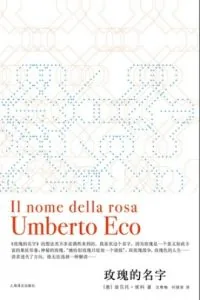
基本信息与出版版本
| 书名 | 玫瑰的名字 |
|---|---|
| 作者 | 翁贝托·埃科 |
| 类别 | 长篇小说 / 历史推理 / 符号学 |
| 出版社 | 上海译文出版社 |
| ISBN | 9787532749722 |
| 电子书格式 | PDF / ePub / mobi / azw3 |
不同版本的出版社、译者、封面和排版可能存在差异;页数如果来源不足,本页不强行补写。实际电子书版本请以下载后的文件内容为准。
这本书主要讲什么
《玫瑰的名字》是全世界“高智商惊悚小说”的巅峰鼻祖。故事发生在1327年意大利的一所本笃会修道院,方济各会修士威廉(相当于中世纪的福尔摩斯)带着他的徒弟阿德索(相当于华生)前来参加神学辩论。
中文书评
《玫瑰的名字》是一部把历史、推理、哲学与符号学融入同一座迷宫中的长篇小说,它表面上讲的是一场发生在中世纪修道院里的连环死亡事件,实际上探讨的是知识、信仰、权力和真相之间复杂而危险的关系。翁贝托·埃科将传统侦探小说的结构放入1327年的意大利本笃会修道院,让读者跟随方济各会修士威廉和年轻修士阿德索,一边追查死亡谜团,一边进入中世纪思想世界的深处。作品最初出版于1980年,被认为是历史推理小说的重要代表之一。
维基百科 +1 小说的背景非常特别。修道院本应是保存知识、研究神学和抄写典籍的地方,但在埃科笔下,它同时也是一个充满秘密、禁忌和权力斗争的空间。威廉来到修道院,本是为了参与方济各会与教廷之间关于神学问题的辩论,却因为修士阿德尔莫的死亡卷入调查。随着更多死亡事件出现,真正的问题逐渐从“谁是凶手”扩大为“谁有权决定什么是真理”。修道院中的图书馆成为全书最重要的象征,它既代表人类积累的智慧,也代表被控制、被隐藏的知识。
EBSCO 作品最核心的主题,是对知识与权力关系的追问。威廉相信观察、推理和证据,他试图通过理性寻找事件背后的原因;而修道院中的一些人物则认为某些知识必须被限制,因为他们担心知识会动摇信仰和秩序。尤其是老修士豪尔赫,他对于笑声和自由思想的恐惧,体现了一种极端维护权威的观念。他守护的不只是一本书,更是一套认为人类不应接触某些思想的体系。围绕亚里士多德相关典籍展开的冲突,使小说超越了一般推理故事,变成了关于思想自由的讨论。
维基百科 人物塑造是本书非常突出的部分。威廉·巴斯克维尔是一位充满理性精神的调查者,他善于观察细节,也懂得怀疑自己的判断。他不像传统侦探那样拥有绝对正确的答案,而是在不断试错中接近真相。这一点让他的形象更加真实。阿德索则承担了叙述者的角色,他年轻、虔诚,同时又对世界充满好奇。他多年后回忆这段经历时,不只是记录一场案件,也是在反思自己曾经相信的一切。两人的关系类似师徒,也像是理性与经验、怀疑与信仰之间的一场交流。
维基百科 《玫瑰的名字》的最大优点,是它把复杂的思想内容和悬疑结构结合得非常成功。读者可以把它当作一部寻找凶手的历史推理小说,也可以把它看作一部关于语言、符号和文明记忆的文学作品。埃科对于中世纪宗教生活、修道院制度、书籍文化的描写非常细致,让整个时代背景具有真实感。同时,小说中的谜题设计充满层次,很多线索并不是简单指向答案,而是在引导读者思考“解释”本身是否可靠。
不过,这部作品也存在明显门槛。大量神学讨论、拉丁文引用、历史背景介绍以及哲学思辨,会让习惯快速阅读悬疑小说的读者感到缓慢。有些章节并不服务于情节推进,而是在展示一个知识体系。对于只期待紧张破案过程的读者来说,阅读体验可能会显得沉重。但正是这些看似缓慢的部分,构成了作品独特的厚度。 这本书适合喜欢历史、文学、哲学和复杂推理的读者阅读。喜欢传统侦探小说的人,可以从威廉的调查过程进入;对中世纪文化、宗教史或思想史感兴趣的人,则会发现更多隐藏层次。如果希望寻找一部只靠反转和速度取胜的悬疑小说,它可能并不合适;但如果希望阅读一部能在多年后仍然引发思考的作品,《玫瑰的名字》依然具有很强的吸引力。
总体来看,《玫瑰的名字》并不是简单的“中世纪破案故事”,而是一部关于人类如何面对知识、如何解释世界、如何处理信仰与理性的文学作品。它用一座修道院、一场调查和一批被隐藏的书籍,展现了文明发展过程中永远存在的矛盾:人渴望真相,同时又常常害怕真相带来的改变。这也是它能够成为经典的重要原因。
English Review
The Name of the Rose is a remarkable novel that combines historical fiction, intellectual mystery, philosophy, and semiotic exploration into a single complex narrative. On the surface, it is a murder investigation set in a medieval monastery; underneath, it is a profound examination of knowledge, authority, faith, and the human desire to understand the world. Umberto Eco creates a story that works both as a carefully constructed mystery and as a reflection on how people interpret signs, texts, and truth.
The novel was first published in 1980 and became one of the most influential historical mystery novels of modern literature. The story takes place in a Benedictine abbey in northern Italy in 1327. Franciscan friar William of Baskerville arrives at the monastery with his young apprentice Adso of Melk to take part in a theological meeting, but their visit changes when a monk dies under mysterious circumstances. William begins investigating the deaths, and the investigation gradually reveals deeper conflicts inside the monastery.
The abbey is not only a religious institution; it is also a place where political struggles, intellectual debates, and hidden fears exist beneath the surface. The mysterious library becomes one of the novel’s central symbols, representing both the preservation of human knowledge and the power of those who attempt to control it. EBSCO The central theme of the novel is the relationship between knowledge and power. William believes that reason, observation, and evidence can help reveal the truth.
His method resembles modern scientific thinking, even though he lives in a medieval world dominated by religious authority. In contrast, figures such as Jorge of Burgos believe that certain ideas are dangerous and that some knowledge should remain hidden. The conflict surrounding Aristotle’s lost writings and the forbidden library shows that the mystery is not simply about murder; it is about who has the right to decide what people are allowed to know. The characters are among the strongest elements of the novel.
William of Baskerville is an intelligent and thoughtful investigator, but he is not presented as a perfect genius who always knows the answer. He makes mistakes, changes his theories, and accepts uncertainty. This makes him a much more human character than a traditional detective figure. Adso of Melk, who narrates the story, provides another important perspective. As a young novice, he is fascinated by the world beyond his limited experience. His memories are not only about solving a mystery but also about how his understanding of faith, desire, morality, and knowledge changes over time.
One of the greatest strengths of The Name of the Rose is the way Eco combines an engaging mystery with serious intellectual questions. The novel offers the satisfaction of following clues and uncovering secrets, but it also asks readers to think about interpretation itself. Eco explores how people read books, symbols, historical events, and even other human beings. His detailed portrayal of medieval religious life, manuscript culture, and philosophical debates creates a convincing world filled with historical depth. However, the novel also has clear challenges. It is not a fast-paced thriller.
Long discussions of theology, medieval philosophy, languages, and literary theory can slow the reading experience. Some sections focus more on ideas than on action, and readers who expect constant suspense may find the book demanding. The complexity is part of the novel’s identity, but it also means that patience is required. This book is especially suitable for readers who enjoy historical fiction, literary mysteries, philosophy, and stories that reward careful attention. Fans of detective fiction can appreciate William’s investigation, while readers interested in history and ideas will find many deeper layers.
Those looking for a simple mystery with a quick solution may not find it satisfying, but readers who enjoy exploring difficult questions will likely find it unforgettable. In conclusion, The Name of the Rose is much more than a medieval murder mystery. It is a novel about humanity’s relationship with knowledge, belief, and interpretation. Through the events inside a remote monastery, Umberto Eco examines how civilizations preserve ideas, how institutions protect their authority, and how people struggle between the desire for truth and the fear of change.
Its combination of mystery, historical detail, and philosophical depth is what allows the novel to remain a lasting classic.
我的阅读笔记
从现有资料看,它最值得关注的是:《玫瑰的名字》是全世界“高智商惊悚小说”的巅峰鼻祖。读《玫瑰的名字》时,可以先抓住作者翁贝托·埃科怎样设置背景、人物目标和主要冲突,再看这些部分如何导向主题。
第二个重点是故事发生在1327年意大利的一所本笃会修道院,方济各会修士威廉(相当于中世纪的福尔摩斯)带着他的徒弟阿德索(相当于华生)前来参加神学辩论。如果它能继续推动人物选择、冲突升级和主题回响,这本书就更适合细读;如果只是信息并列,阅读价值会弱一些。
我觉得最值得看的地方
我觉得最值得看的地方,首先是它如何展开主题:《玫瑰的名字》是全世界“高智商惊悚小说”的巅峰鼻祖。其次是它是否能把问题讲清楚:故事发生在1327年意大利的一所本笃会修道院,方济各会修士威廉(相当于中世纪的福尔摩斯)带着他的徒弟阿德索(相当于华生)前来参加神学辩论。这两点决定了它是只适合快速翻阅,还是值得花时间细读。
如果你关注长篇小说 / 历史推理 / 符号学,可以读完一章后用一句话写下这一章的观点,再决定是否继续精读。这样读完后留下的不是零散印象,而是对人物、冲突和主题的清楚判断。
与同类书有什么区别
读《玫瑰的名字》之前,先判断它属于长篇小说 / 历史推理 / 符号学里的哪一种:是入门科普、方法书、教材,还是案例型读物。这个判断比只看格式更有用。
第一次读重点看什么
第一次读《玫瑰的名字》,先看它在回答什么问题,再看作者怎么展开。可以先抓这两点:《玫瑰的名字》是全世界“高智商惊悚小说”的巅峰鼻祖;故事发生在1327年意大利的一所本笃会修道院,方济各会修士威廉(相当于中世纪的福尔摩斯)带着他的徒弟阿德索(相当于华生)前来参加神学辩论。
- 《玫瑰的名字》是全世界“高智商惊悚小说”的巅峰鼻祖
- 故事发生在1327年意大利的一所本笃会修道院,方济各会修士威廉(相当于中世纪的福尔摩斯)带着他的徒弟阿德索(相当于华生)前来参加神学辩论
哪些人适合读,哪些人可能不适合
如果你正在找《玫瑰的名字》电子版,可以先确认 PDF / ePub / mobi / azw3 这些格式是否够用。想判断内容值不值得读,就看它在长篇小说 / 历史推理 / 符号学里解决的是哪类问题。
如果你需要的是完整纸质版校勘、特定译本差异或严格学术引用,请优先核对出版社、图书馆或 ISBN 书目系统;如果只是先找电子版阅读,则重点看格式、作者和版本字段是否符合自己的需求。
翁贝托·埃科和这本书的关系
翁贝托·埃科和《玫瑰的名字》的关系,不只是“这本书的作者”这么简单。读这本书时,更值得看的是作者怎样处理长篇小说 / 历史推理 / 符号学方向里的核心问题,以及这些观点为什么会被整理成一本书。
如果你想评估这本书值不值得读,不要只看作者名气。更实用的办法是看作者提出的问题、使用的材料,以及这些内容能不能形成稳定的主题推进。
常见问题
《玫瑰的名字》主要讲什么?
《玫瑰的名字》主要围绕“《玫瑰的名字》是全世界“高智商惊悚小说”的巅峰鼻祖”展开。这个入口决定了作品的背景、冲突和主题方向。 另一条重要线索是:故事发生在1327年意大利的一所本笃会修道院,方济各会修士威廉(相当于中世纪的福尔摩斯)带着他的徒弟阿德索(相当于华生)前来参加神学辩论。
《玫瑰的名字》适合什么人读?
它适合愿意围绕《玫瑰的名字》的主题、人物关系和结构推进慢慢读下去的读者。如果只想要非常轻快、直接、低门槛的阅读体验,可能不一定合适。
读《玫瑰的名字》最该关注哪一点?
读《玫瑰的名字》时,建议先看它提出了什么问题,再看作者翁贝托·埃科如何展开。真正决定阅读价值的,是人物选择、冲突发展和主题回响是否能互相支撑。
《玫瑰的名字》电子书有哪些格式?
当前记录的格式为 PDF / ePub / mobi / azw3。实际可用文件、排版和版本信息,以页面底部资源模块和下载后的文件为准。
电子书格式与获取说明
当前页面记录《玫瑰的名字》的电子书格式为 PDF / ePub / mobi / azw3。不同来源的电子书在排版、封面、译名和文件质量上可能会有差异,下载后请以实际文件信息为准。
