
《人性的优点》是戴尔·卡耐基的作品,当前资源标题记录的电子书格式为 PDF / ePub / mobi / azw3。这页先帮助读者确认书籍身份、内容主线和阅读预期,再核对实际文件状态。
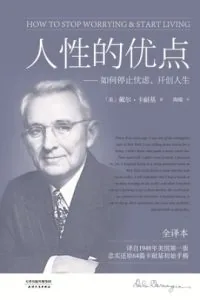
基本信息与出版版本
| 书名 | 人性的优点 |
|---|---|
| 作者 | 戴尔·卡耐基 |
| 类别 | 励志 / 心理学 / 自我管理 |
| 出版社 | 中信出版集团 / 机械工业出版社 |
| ISBN | 9787508610580 |
| 电子书格式 | PDF / ePub / mobi / azw3 |
不同版本的出版社、译者、封面和排版可能存在差异;页数如果来源不足,本页不强行补写。实际电子书版本请以下载后的文件内容为准。
这本书主要讲什么
《人性的优点》(How to Stop Worrying and Start Living)是戴尔·卡耐基继《人性的弱点》之后的又一励志经典,被誉为“世界级的抗焦虑圣经”。
中文书评
《人性的优点》是一部关注普通人内心压力与生活困境的实用心理励志作品,它最核心的价值不在于提供某种快速摆脱烦恼的方法,而是在于帮助读者重新认识忧虑产生的原因,并学会用更理性的方式面对现实问题。戴尔·卡耐基在这本书中没有把人生描绘成一条没有困难的道路,而是试图回答一个长期困扰人类的问题:当生活充满不确定、失败、批评和压力时,一个人如何保持行动能力和内心稳定。该书英文原名为《How to Stop Worrying and Start Living》,出版于1948年,是卡耐基继《人性的弱点》之后的重要作品之一。
作品产生的背景与20世纪社会环境密切相关。卡耐基通过长期观察、教学实践以及大量真实案例,总结人们在工作、家庭、健康、经济压力中的焦虑来源。他关注的并不是少数特殊人物,而是普通人的日常困扰,例如担心未来、害怕失败、无法接受过去的错误、过度在意他人的评价等。书中大量案例来自不同职业和生活背景的人,他们面对失业、疾病、家庭矛盾、事业挫折等问题,而卡耐基试图从这些经历中提炼出更具有普遍意义的应对方式。
豆瓣阅读 本书的核心主题是“如何停止无效的忧虑,并把注意力重新放回现实生活”。卡耐基提出,很多痛苦并不是来自已经发生的事情,而是来自人对未来可能发生情况的反复想象。他强调分析问题、接受无法改变的事实、专注当前行动的重要性。例如,当一个人面对工作上的失败时,与其不断幻想最坏结果,不如先明确问题、判断损失、寻找下一步解决方案。这种思路贯穿全书,也成为作品最有影响力的部分。
书中的人物案例是理解主题的重要入口。卡耐基没有塑造传统意义上的英雄人物,而是展示普通人在压力中的变化。有些人因为长期担忧事业失败而失去生活动力,有些人因为他人的批评而陷入自我怀疑,也有人在经历疾病或重大打击后重新建立生活秩序。例如,书中关于企业经营者、家庭成员以及经历人生低谷者的故事,都体现出同一个主题:困难本身并不一定摧毁一个人,无法处理困难带来的心理压力才更容易消耗一个人。
豆瓣阅读 《人性的优点》的优点在于语言直接,方法具体。相比一些偏理论化的心理学作品,它更像一本生活指导手册。卡耐基善于把抽象的心理问题转化为容易理解的生活场景,比如如何面对批评、如何减少金钱带来的焦虑、如何避免因为过去的错误持续惩罚自己。这种案例化写法让作品具有较强的可读性,也让许多读者能够在不同人生阶段重新阅读并获得新的理解。
不过,这本书也存在一定局限。由于成书年代较早,部分观点带有明显的时代背景,例如对于个人努力、积极心态和环境适应的强调,有时会弱化社会结构、现实资源差异以及复杂心理疾病对人的影响。对于正在经历严重心理问题的人来说,单靠书中的积极调整方法可能并不足够。此外,部分建议虽然简单有效,但需要长期实践才能真正改变习惯,并不是阅读后立即就能产生明显变化。 这本书适合经常感到压力较大、容易焦虑、正在面对人生转折阶段的人阅读,例如职场新人、创业者、学生、长期承担家庭责任的人,以及希望改善情绪管理能力的读者。它并不是一本教人逃避问题的书,而是鼓励人在面对问题时减少无意义消耗,把精力投入到真正可以改变的事情上。
总体来看,《人性的优点》是一部经过时间验证的心理励志经典。它没有复杂的理论体系,却抓住了人类生活中最普遍的一类困境:如何与自己的担忧相处。卡耐基提供的答案并不神秘,而是强调清晰思考、接受现实和积极行动。对于今天的读者来说,这本书最大的意义仍然在于提醒人们,不要让尚未发生的事情占据现在的生活,而应该学会在不确定中保持稳定,并继续向前行动。
English Review
How to Stop Worrying and Start Living is one of Dale Carnegie’s most influential works on personal growth and emotional management. Its lasting appeal comes from its practical approach to a problem that almost everyone experiences: the pressure created by fear, uncertainty, and constant worry. Rather than presenting life as a journey without difficulties, Carnegie focuses on a more realistic question: how can people continue living with confidence when they face failure, criticism, financial pressure, illness, and unexpected changes?
The book was published in 1948 and became an important companion work to How to Win Friends and Influence People. The background of the book is closely connected with Carnegie’s years of studying human behavior and teaching adults. He collected experiences from many ordinary people and examined how they responded to stress in their personal and professional lives.
Instead of focusing on famous leaders or extraordinary achievements, the book pays attention to everyday struggles: a worker worrying about losing a job, a person suffering from criticism, a business owner facing financial uncertainty, or someone unable to move beyond past mistakes. Carnegie’s purpose is to show that worry is not simply a reaction to events, but often a mental habit that can be understood and changed. The central theme of the book is learning how to replace destructive worry with constructive action. Carnegie argues that many people suffer more from imagined problems than from actual situations.
His advice often begins with a practical process: examine the facts, consider the possible outcomes, accept what cannot be changed, and focus energy on what can still be improved. For example, when someone faces a career setback, endless fear about future consequences usually does not solve anything. A more useful response is to understand the situation clearly and decide what action should be taken next. The human stories throughout the book are the foundation of its message. Carnegie does not create fictional heroes; instead, he presents real-life examples of people dealing with ordinary but painful conflicts.
Some characters struggle with business failures, some are overwhelmed by personal disappointment, and others are trapped by fear of judgment from others. These examples reveal Carnegie’s main belief: difficulties themselves are not always the greatest enemy. The greater danger is allowing anxiety to consume a person’s ability to think, act, and enjoy life. One of the book’s greatest strengths is its accessibility. Carnegie writes in a straightforward style and explains psychological ideas through familiar situations rather than complicated theories.
His discussions about handling criticism, dealing with financial concerns, accepting unavoidable circumstances, and breaking negative thinking patterns remain easy to understand. The large number of examples makes the book feel like a conversation with an experienced mentor rather than a traditional academic psychology text. However, the book also has limitations. Written in the mid-20th century, some of its ideas reflect the values of that period, especially its strong emphasis on personal attitude and individual responsibility.
While a positive mindset can be powerful, modern readers may recognize that anxiety and emotional difficulties can also be influenced by deeper social, medical, and environmental factors. Some recommendations may appear simple, but applying them consistently in real life requires patience and long-term effort. This book is suitable for readers who frequently experience stress, overthinking, or uncertainty about the future. It can be especially helpful for students, professionals, entrepreneurs, and anyone going through major changes in life.
It is not a promise that problems will disappear; instead, it offers a framework for responding to problems with greater calmness and clarity. Overall, How to Stop Worrying and Start Living remains a valuable classic because it addresses a timeless human experience. Carnegie’s ideas are not based on complicated methods but on a few essential principles: understand reality, control what can be controlled, and avoid wasting life on fears that have not happened. Although some perspectives reflect its historical period, the book’s central message continues to be meaningful.
It encourages readers to stop allowing worry to dominate their thoughts and to build a more balanced, active, and purposeful way of living.
我的阅读笔记
从现有资料看,它最值得关注的是:《人性的优点》(How to Stop Worrying and Start Living)是戴尔·卡耐基继《人性的弱点》之后的又一励志经典,被誉为“世界级的抗焦虑圣经”。读《人性的优点》时,可以先抓住作者戴尔·卡耐基怎样设置背景、人物目标和主要冲突,再看这些部分如何导向主题。
第二个重点是目录、前言和章节安排。如果它能继续推动人物选择、冲突升级和主题回响,这本书就更适合细读;如果只是信息并列,阅读价值会弱一些。
我觉得最值得看的地方
我觉得最值得看的地方,是它围绕“《人性的优点》(How to Stop Worrying and Start Living)是戴尔·卡耐基继《人性的弱点》之后的又一励志经典,被誉为“世界级的抗焦虑圣经””展开的部分。这一点能帮助读者进入作品真正的矛盾,而不是只停在题材表面。
如果你关注励志 / 心理学 / 自我管理,可以读完一章后用一句话写下这一章的观点,再决定是否继续精读。这样读完后留下的不是零散印象,而是对人物、冲突和主题的清楚判断。
与同类书有什么区别
读《人性的优点》之前,先判断它属于励志 / 心理学 / 自我管理里的哪一种:是入门科普、方法书、教材,还是案例型读物。这个判断比只看格式更有用。
第一次读重点看什么
第一次读《人性的优点》,先看它在回答什么问题,再看作者怎么展开。可以先抓这两点:《人性的优点》(How to Stop Worrying and Start Living)是戴尔·卡耐基继《人性的弱点》之后的又一励志经典,被誉为“世界级的抗焦虑圣经”;再结合目录判断自己要不要细读。
- 《人性的优点》(How to Stop Worrying and Start Living)是戴尔·卡耐基继《人性的弱点》之后的又一励志经典,被誉为“世界级的抗焦虑圣经”
哪些人适合读,哪些人可能不适合
如果你正在找《人性的优点》电子版,可以先确认 PDF / ePub / mobi / azw3 这些格式是否够用。想判断内容值不值得读,就看它在励志 / 心理学 / 自我管理里解决的是哪类问题。
如果你需要的是完整纸质版校勘、特定译本差异或严格学术引用,请优先核对出版社、图书馆或 ISBN 书目系统;如果只是先找电子版阅读,则重点看格式、作者和版本字段是否符合自己的需求。
戴尔·卡耐基和这本书的关系
戴尔·卡耐基和《人性的优点》的关系,不只是“这本书的作者”这么简单。读这本书时,更值得看的是作者怎样处理励志 / 心理学 / 自我管理方向里的核心问题,以及这些观点为什么会被整理成一本书。
如果你想评估这本书值不值得读,不要只看作者名气。更实用的办法是看作者提出的问题、使用的材料,以及这些内容能不能形成稳定的主题推进。
常见问题
《人性的优点》主要讲什么?
《人性的优点》主要围绕“《人性的优点》(How to Stop Worrying and Start Living)是戴尔·卡耐基继《人性的弱点》之后的又一励志经典,被誉为“世界级的抗焦虑圣经””展开。这个入口决定了作品的背景、冲突和主题方向。
《人性的优点》适合什么人读?
它适合愿意围绕《人性的优点》的主题、人物关系和结构推进慢慢读下去的读者。如果只想要非常轻快、直接、低门槛的阅读体验,可能不一定合适。
读《人性的优点》最该关注哪一点?
读《人性的优点》时,建议先看它提出了什么问题,再看作者戴尔·卡耐基如何展开。真正决定阅读价值的,是人物选择、冲突发展和主题回响是否能互相支撑。
《人性的优点》电子书有哪些格式?
当前记录的格式为 PDF / ePub / mobi / azw3。实际可用文件、排版和版本信息,以页面底部资源模块和下载后的文件为准。
电子书格式与获取说明
当前页面记录《人性的优点》的电子书格式为 PDF / ePub / mobi / azw3。不同来源的电子书在排版、封面、译名和文件质量上可能会有差异,下载后请以实际文件信息为准。
