
《证券分析》是格雷厄姆的作品,当前资源标题记录的电子书格式为 PDF / ePub / mobi / azw3。这页先帮助读者确认书籍身份、内容主线和阅读预期,再核对实际文件状态。
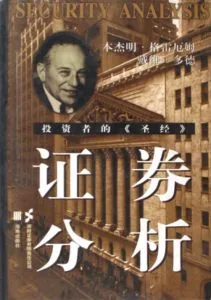
基本信息与出版版本
| 书名 | 证券分析 |
|---|---|
| 作者 | 格雷厄姆 |
| 类别 | 金融教材 / 投资经典 / 财务分析 |
| 出版社 | 中国人民大学出版社 / 上海财经大学出版社 |
| ISBN | 9787300171632 |
| 电子书格式 | PDF / ePub / mobi / azw3 |
不同版本的出版社、译者、封面和排版可能存在差异;页数如果来源不足,本页不强行补写。实际电子书版本请以下载后的文件内容为准。
这本书主要讲什么
《证券分析》在金融界的地位,相当于物理学界的《自然哲学的数学原理》。1934年,在本杰明·格雷厄姆和戴维·多德出版这本书之前,华尔街的“投资”和“赌博”几乎没有区别,大家看的是内幕消息、情绪和玄学。
中文书评
《证券分析》是一部真正改变了投资思维方式的经典作品,它的价值不在于预测某一只股票明天会上涨还是下跌,而在于建立了一套判断证券价值的方法。读完这本书,会发现它讨论的并不是简单的买卖技巧,而是在一个充满情绪、噪音和不确定性的市场中,投资者应该如何保持理性。1934年,本杰明·格雷厄姆与戴维·多德出版《证券分析》,正值美国经历经济大萧条后的动荡时期。当时市场中大量投资行为依赖消息、投机和短期价格波动,而这本书试图把证券投资从经验赌博转变为基于财务数据、企业价值和风险判断的分析过程。
百度百科 作品最核心的主题,是区分“投资”和“投机”,并寻找证券价格与企业真实价值之间的差距。格雷厄姆和多德强调,投资者不能只关注市场报价,而应该研究企业资产、盈利能力、债务结构、现金流以及管理状况。书中提出的“安全边际”理念,是全书最重要的思想之一:投资者不应该在估值没有余地的时候冒险买入,而应该寻找价格低于内在价值、能够抵御判断错误的机会。这个观点后来成为价值投资体系的重要基础,也深刻影响了包括沃伦·巴菲特在内的一代投资者。
维基百科 从具体内容来看,《证券分析》并不是一本轻松阅读的投资故事,而更像一本严谨的金融研究手册。作者大量讨论债券、优先股、普通股分析以及财务报表解读。例如,在分析债券投资时,格雷厄姆关注企业偿债能力和安全保障,而不是只看表面的收益率;在普通股分析部分,他进一步讨论股息、盈利稳定性以及企业长期价值。这些内容体现出作者对于风险的谨慎态度:投资者面对的最大问题,不是错过一次上涨机会,而是在错误判断后承担无法恢复的损失。
书中的“人物”并不是传统意义上的故事角色,而是围绕投资世界中的不同参与者展开。格雷厄姆代表的是理性分析者,他反对华尔街中过度依赖市场情绪的做法,坚持通过事实和计算寻找价值。戴维·多德则扮演了学术整理者和理论完善者的角色,两人的合作让这本书兼具实践经验和系统框架。除此之外,书中还隐含着许多市场参与者的形象:追逐热门股票的投机者、依赖短期行情的交易者、认真研究企业价值的长期投资者。作者通过这些不同类型的投资行为,展现了市场中理性与情绪之间长期存在的冲突。
这部作品最大的优点,是它提供了一套经过长期市场考验的分析框架。即使面对今天已经高度电子化、信息传播速度极快的金融市场,书中的许多原则仍然具有参考意义。它提醒投资者不要被价格波动牵着走,而要回到企业本身。同时,本书的不足也非常明显。由于成书年代较早,其中部分案例、行业背景和财务分析方法带有20世纪上半叶的时代特点,对于现代科技企业、互联网商业模式以及复杂金融产品的分析帮助有限。另外,书中的大量财务术语和分析步骤较为专业,没有金融基础的读者可能需要较长时间理解。
《证券分析》更适合希望建立长期投资框架的读者,包括金融专业学生、证券研究人员、价值投资实践者,以及希望提升财务判断能力的普通投资者。对于只想快速获得股票买卖技巧的人来说,这本书可能显得缓慢甚至枯燥,因为它关注的是思考方式,而不是短期操作建议。 总体而言,《证券分析》的重要意义在于,它改变了人们理解投资的方式。它没有承诺轻松获利,也没有提供预测市场的捷径,而是要求投资者面对事实、理解风险,并用分析代替冲动。经过几十年的市场变化,这本书依然值得阅读,因为它讨论的本质问题并没有改变:当市场价格与真实价值出现偏离时,投资者如何做出更可靠的判断。 豆瓣阅读
English Review
《Security Analysis》 is one of the most influential works in the history of investment literature, not because it teaches readers how to predict short-term stock movements, but because it changes the way investors think about value, risk, and decision-making. Written by Benjamin Graham and David Dodd and first published in 1934 during the aftermath of the Wall Street crash and the Great Depression, the book attempted to create a disciplined framework for investment at a time when speculation, market rumors, and emotional trading dominated much of the financial world.
It established a foundation for what later became known as value investing. The central theme of the book is the difference between investment and speculation. Graham and Dodd argue that a true investment decision must be based on careful analysis rather than market excitement or temporary price movements. The authors encourage investors to study the underlying business behind a security, including financial statements, earnings history, debt levels, asset values, and management quality. The idea of “margin of safety” is one of the most important concepts introduced in the book.
Instead of buying securities based on optimism alone, investors should seek a sufficient gap between price and estimated value so that mistakes in judgment do not lead to devastating losses. This principle became a cornerstone of value investing and strongly influenced later investors such as Warren Buffett. The book covers a wide range of investment subjects, including bonds, preferred stocks, common stocks, and methods of financial analysis. One of its major strengths is the seriousness with which it treats risk.
Graham and Dodd do not view investing as a competition to find the fastest-growing company or the most exciting market trend. Instead, they focus on identifying securities where the market price does not fully reflect the underlying economic reality. Their approach requires patience, research, and the willingness to disagree with popular opinion. Although the book is not a narrative work with fictional characters, it presents several important figures within the investment world. Benjamin Graham represents the disciplined analyst who challenges emotional decision-making and market speculation.
David Dodd represents the academic partner who helped organize and develop the analytical framework. Beyond the authors themselves, the book examines different types of market participants: speculative traders chasing price movements, investors relying on optimistic forecasts, and disciplined analysts searching for long-term value. The conflict between emotion and rational judgment runs throughout the entire work. The greatest advantage of 《Security Analysis》 is its intellectual depth and its emphasis on independent thinking.
Many investment books focus on market predictions, but Graham and Dodd focus on a more durable question: how can investors evaluate what they actually own? The book teaches readers to examine evidence rather than follow market sentiment. Its principles remain relevant because businesses still need to generate earnings, manage debt, and create value. However, the book also has limitations. Because it was written in the early twentieth century, many examples involve industries and financial conditions that differ greatly from today’s economy.
Modern technology companies, digital platforms, and intangible assets create challenges that traditional balance-sheet analysis may not fully address. In addition, the writing style is highly technical and detailed. Readers without a background in finance may find the discussions of accounting, valuation methods, and security classification difficult at first. This book is most suitable for serious investors, finance students, analysts, and readers who want to develop a long-term understanding of markets. It may not satisfy readers looking for quick trading strategies or simple investment formulas.
Its purpose is not to provide shortcuts but to build a disciplined way of thinking. Overall, 《Security Analysis》 remains a landmark work because it treats investing as a process of judgment rather than speculation. Its lasting contribution is the belief that investors should study businesses, understand risks, and make decisions based on evidence. Markets have changed dramatically since 1934, but the fundamental challenge described by Graham and Dodd remains the same: determining the difference between price and true value, and having the discipline to act when that difference appears.
我的阅读笔记
从现有资料看,它最值得关注的是:《证券分析》在金融界的地位,相当于物理学界的《自然哲学的数学原理》。读《证券分析》时,可以先抓住作者格雷厄姆怎样设置背景、人物目标和主要冲突,再看这些部分如何导向主题。
第二个重点是1934年,在本杰明·格雷厄姆和戴维·多德出版这本书之前,华尔街的“投资”和“赌博”几乎没有区别,大家看的是内幕消息、情绪和玄学。如果它能继续推动人物选择、冲突升级和主题回响,这本书就更适合细读;如果只是信息并列,阅读价值会弱一些。
我觉得最值得看的地方
我觉得最值得看的地方,首先是它如何展开主题:《证券分析》在金融界的地位,相当于物理学界的《自然哲学的数学原理》。其次是它是否能把问题讲清楚:1934年,在本杰明·格雷厄姆和戴维·多德出版这本书之前,华尔街的“投资”和“赌博”几乎没有区别,大家看的是内幕消息、情绪和玄学。这两点决定了它是只适合快速翻阅,还是值得花时间细读。
如果你关注金融教材 / 投资经典 / 财务分析,可以读完一章后用一句话写下这一章的观点,再决定是否继续精读。这样读完后留下的不是零散印象,而是对人物、冲突和主题的清楚判断。
与同类书有什么区别
读《证券分析》之前,先判断它属于金融教材 / 投资经典 / 财务分析里的哪一种:是入门科普、方法书、教材,还是案例型读物。这个判断比只看格式更有用。
第一次读重点看什么
第一次读《证券分析》,先看它在回答什么问题,再看作者怎么展开。可以先抓这两点:《证券分析》在金融界的地位,相当于物理学界的《自然哲学的数学原理》;1934年,在本杰明·格雷厄姆和戴维·多德出版这本书之前,华尔街的“投资”和“赌博”几乎没有区别,大家看的是内幕消息、情绪和玄学。
- 《证券分析》在金融界的地位,相当于物理学界的《自然哲学的数学原理》
- 1934年,在本杰明·格雷厄姆和戴维·多德出版这本书之前,华尔街的“投资”和“赌博”几乎没有区别,大家看的是内幕消息、情绪和玄学
哪些人适合读,哪些人可能不适合
如果你正在找《证券分析》电子版,可以先确认 PDF / ePub / mobi / azw3 这些格式是否够用。想判断内容值不值得读,就看它在金融教材 / 投资经典 / 财务分析里解决的是哪类问题。
如果你需要的是完整纸质版校勘、特定译本差异或严格学术引用,请优先核对出版社、图书馆或 ISBN 书目系统;如果只是先找电子版阅读,则重点看格式、作者和版本字段是否符合自己的需求。
格雷厄姆和这本书的关系
格雷厄姆和《证券分析》的关系,不只是“这本书的作者”这么简单。读这本书时,更值得看的是作者怎样处理金融教材 / 投资经典 / 财务分析方向里的核心问题,以及这些观点为什么会被整理成一本书。
如果你想评估这本书值不值得读,不要只看作者名气。更实用的办法是看作者提出的问题、使用的材料,以及这些内容能不能形成稳定的主题推进。
常见问题
《证券分析》主要讲什么?
《证券分析》主要围绕“《证券分析》在金融界的地位,相当于物理学界的《自然哲学的数学原理》”展开。这个入口决定了作品的背景、冲突和主题方向。 另一条重要线索是:1934年,在本杰明·格雷厄姆和戴维·多德出版这本书之前,华尔街的“投资”和“赌博”几乎没有区别,大家看的是内幕消息、情绪和玄学。
《证券分析》适合什么人读?
它适合愿意围绕《证券分析》的主题、人物关系和结构推进慢慢读下去的读者。如果只想要非常轻快、直接、低门槛的阅读体验,可能不一定合适。
读《证券分析》最该关注哪一点?
读《证券分析》时,建议先看它提出了什么问题,再看作者格雷厄姆如何展开。真正决定阅读价值的,是人物选择、冲突发展和主题回响是否能互相支撑。
《证券分析》电子书有哪些格式?
当前记录的格式为 PDF / ePub / mobi / azw3。实际可用文件、排版和版本信息,以页面底部资源模块和下载后的文件为准。
电子书格式与获取说明
当前页面记录《证券分析》的电子书格式为 PDF / ePub / mobi / azw3。不同来源的电子书在排版、封面、译名和文件质量上可能会有差异,下载后请以实际文件信息为准。
