
《走进我的交易室》是埃尔德的作品,当前资源标题记录的电子书格式为 PDF / ePub / mobi / azw3。这页先帮助读者确认书籍身份、内容主线和阅读预期,再核对实际文件状态。
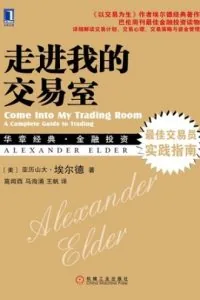
基本信息与出版版本
| 书名 | 走进我的交易室 |
|---|---|
| 作者 | 埃尔德 |
| 类别 | 金融 / 交易心理 / 实战策略 |
| 出版社 | 地震出版社 / 机械工业出版社 |
| ISBN | 9787502823863 |
| 电子书格式 | PDF / ePub / mobi / azw3 |
不同版本的出版社、译者、封面和排版可能存在差异;页数如果来源不足,本页不强行补写。实际电子书版本请以下载后的文件内容为准。
这本书主要讲什么
《走进我的交易室》(Come Into My Trading Room: A Complete Guide to Trading)是著名交易导师亚历山大·埃尔德博士在《以交易为生》出版9年后,集毕生功力撰写的进阶指南。
中文书评
《走进我的交易室》是一部更接近交易者训练手册的作品,它并不试图用某个神奇指标解决市场问题,而是把交易重新拆解为心理、方法和资金管理三个层面。埃尔德在继《以交易为生》之后,用更加系统化的方式整理自己的交易经验,将重点从单纯寻找买卖信号,转向培养一个能够长期留在市场中的专业交易者。 读完这本书最大的感受是,作者真正关心的不是一次交易赚多少钱,而是交易者能否建立一套稳定、可重复、能够控制风险的工作方式。
作品的背景建立在亚历山大·埃尔德多年的职业交易经历之上。他曾是一名精神科医生,后来成为职业交易者,并将心理学视角带入市场分析。《走进我的交易室》出版于《以交易为生》之后,承担的是进阶指导的角色。书中延续了埃尔德提出的“三个M”理念:Mind(心理)、Method(方法)、Money(资金管理),并进一步讨论交易系统设计、市场分析、交易记录以及职业化交易流程。 这种写法让作品不像单纯介绍技术指标的工具书,而更像是在描述一个交易者如何训练自己的全过程。
书中的核心主题,是如何从一个被市场情绪推动的参与者,转变为能够独立决策的交易者。埃尔德反复强调,市场中的最大敌人往往不是价格波动,而是交易者自身的贪婪、恐惧、冲动和自我欺骗。比如,很多投资者喜欢不断寻找更精准的入场点,却忽略了止损位置、仓位大小以及退出计划的重要性。作者通过大量交易场景说明,成功交易并不是预测每一次行情,而是在错误出现时限制损失,在正确机会出现时充分利用优势。书中对于“三重滤网交易系统”的讲解,也是这一思想的具体体现:先用较大周期判断主要趋势,再在较小周期寻找交易机会,避免因为短期波动而做出错误决定。
人物分析方面,本书最重要的人物其实是作者笔下的“交易者”。埃尔德没有塑造传统意义上的成功英雄,而是展现一个不断犯错、学习和调整的人。书中的交易者会面对连续亏损后的怀疑,会因为市场快速变化产生焦虑,也会因为一次成功交易而产生过度自信。作者通过这些具体心理状态,呈现了交易者成长过程中最真实的矛盾:既需要相信自己的系统,又必须保持谦逊,承认市场永远存在不确定性。埃尔德本人作为作者和导师,也成为书中的核心角色。他不是以预测大师的姿态出现,而是更像一名经验丰富的教练,要求交易者建立交易日志、复盘错误、管理风险。
这本书的优点非常明显。第一,它没有把交易成功简单归因于技术分析,而是把心理纪律和资金管理放在同等重要的位置。很多交易书喜欢讲“什么时候买”,但埃尔德更关注“为什么买”“亏损怎么办”“什么时候应该离场”。第二,书中的方法具有较强的实践导向,例如交易计划、风险比例控制、交易记录等内容,都可以直接转化为日常操作流程。第三,作者对于交易心理的描述比较深入,不停留在“保持冷静”这种空泛建议,而是分析人在面对盈利和亏损时为什么会做出非理性决定。
当然,这本书也存在不足。首先,埃尔德的方法带有明显的技术分析传统,对于完全不认同图表分析的读者来说,部分章节可能缺乏说服力。其次,书中的一些交易案例和市场环境属于作者所处时代,现代市场已经出现了程序化交易、高频交易等新变化,因此读者需要理解其中的原则,而不是机械复制所有操作方式。另外,书中内容较多,需要反复阅读和实践才能真正吸收,对于只想快速找到买卖技巧的人来说,可能会觉得节奏偏慢。
这本书更适合已经接触过股票、期货或其他金融市场,希望建立交易体系的人阅读。刚入门的投资者可以从中认识风险控制的重要性,但最好不要把书中的方法当成简单赚钱公式。对于已经有一定交易经验、经历过亏损和情绪波动的人来说,书中的很多观点会更有价值,因为它讨论的正是交易过程中最难解决的问题:如何长期保持纪律。 总体来看,《走进我的交易室》不是一本承诺财富增长的书,而是一本帮助交易者建立职业思维的作品。埃尔德真正想传递的信息,是交易是一项需要训练、记录、反思和自我管理的长期工作。它的价值不在于提供某个永远有效的市场答案,而在于帮助读者认识自己的弱点,并建立面对市场不确定性的能力。
English Review
Come Into My Trading Room: A Complete Guide to Trading is one of the more thoughtful works on trading education because it does not present the market as a puzzle that can be solved by finding a perfect indicator. Instead, Alexander Elder approaches trading as a professional discipline that requires psychological control, a structured method, and careful money management. Published after his earlier book Trading for a Living, this work represents a more advanced stage of his trading philosophy and expands his famous “Three M’s”: Mind, Method, and Money.
The strongest impression after reading the book is that Elder is less interested in teaching readers how to predict every market movement and more interested in teaching them how to survive and improve over thousands of decisions. The background of the book is closely connected with Elder’s own unusual path. Before becoming a professional trader and trading educator, he trained as a psychiatrist, and this psychological background strongly influences his writing. Rather than treating traders as purely rational decision-makers, Elder examines how emotions, habits, and personal biases affect market behavior.
The book reflects years of practical experience and attempts to combine technical analysis with the mental discipline required for consistent trading. The central theme of the book is that successful trading depends on managing the trader as much as managing the market. Elder focuses heavily on the conflict between human emotion and disciplined execution. A trader may understand a strategy perfectly but still fail because of fear after losses, greed after gains, or the desire to recover money quickly. The book repeatedly returns to the importance of having a clear trading plan before entering a position.
A professional trader should know not only why to enter a trade, but also where to exit, where to accept a loss, and how much capital to risk. One of the most important ideas in the book is Elder’s three-screen trading system. The approach combines different time frames: a longer-term chart is used to identify the overall trend, a medium-term chart helps locate opportunities, and shorter-term analysis is used for timing. The purpose is not to create certainty but to reduce random decisions.
This reflects Elder’s broader philosophy that traders should create a structured decision process instead of reacting emotionally to every price movement. The main character of the book is essentially the developing trader. Elder does not describe traders as flawless market experts. Instead, he portrays them as people struggling with very realistic problems: hesitation after losses, overconfidence after success, impatience during slow periods, and the temptation to abandon a strategy too quickly.
These conflicts make the book more convincing because the challenge of trading is shown as both technical and psychological. Elder himself appears less like a fortune teller and more like a mentor who pushes traders to maintain records, review mistakes, and build professional habits. The greatest strength of the book is its balanced view of trading. Many trading books focus heavily on entry signals and technical tools, but Elder gives equal importance to risk control and personal discipline.
His discussions about trading journals, position sizing, stop-loss planning, and reviewing performance are practical and directly applicable. Another strength is his honest description of trader psychology. Instead of simply telling readers to “stay calm,” he explains why people often make irrational choices when money is involved. However, the book also has limitations. Its methods are strongly connected to traditional technical analysis, so readers who prefer purely fundamental investing or modern quantitative approaches may not accept every conclusion.
Some examples and market discussions also reflect the environment in which the book was written, and modern traders need to adapt the principles rather than copy every technique exactly. In addition, the book requires patience. It is not designed for readers searching for a quick trading formula, because many of its lessons only become meaningful through actual practice and repeated review. This book is most suitable for investors and traders who already have some market experience and want to develop a more professional framework.
Beginners can still benefit from its lessons about risk and discipline, but they should understand that the book is not a shortcut to profits. Its greatest value appears for people who have already experienced losing trades, emotional decisions, or inconsistent results and want to understand why those problems happen. Overall, Come Into My Trading Room is not a promise of easy wealth. It is a guide to developing the mindset and habits required for long-term participation in financial markets.
Alexander Elder’s most important message is that trading success comes from continuous learning, strict risk management, and self-awareness. The book remains valuable because it focuses on the part of trading that is often ignored: the trader’s own behavior.
我的阅读笔记
从现有资料看,它最值得关注的是:《走进我的交易室》(Come Into My Trading Room: A Complete Guide to Trading)是著名交易导师亚历山大·埃尔德博士在《以交易为生》出版9年后,集毕生功力撰写的进阶指南。读《走进我的交易室》时,可以先抓住作者埃尔德怎样设置背景、人物目标和主要冲突,再看这些部分如何导向主题。
第二个重点是目录、前言和章节安排。如果它能继续推动人物选择、冲突升级和主题回响,这本书就更适合细读;如果只是信息并列,阅读价值会弱一些。
我觉得最值得看的地方
我觉得最值得看的地方,是它围绕“《走进我的交易室》(Come Into My Trading Room: A Complete Guide to Trading)是著名交易导师亚历山大·埃尔德博士在《以交易为生》出版9年后,集毕生功力撰写的进阶指南”展开的部分。这一点能帮助读者进入作品真正的矛盾,而不是只停在题材表面。
如果你关注金融 / 交易心理 / 实战策略,可以读完一章后用一句话写下这一章的观点,再决定是否继续精读。这样读完后留下的不是零散印象,而是对人物、冲突和主题的清楚判断。
与同类书有什么区别
读《走进我的交易室》之前,先判断它属于金融 / 交易心理 / 实战策略里的哪一种:是入门科普、方法书、教材,还是案例型读物。这个判断比只看格式更有用。
第一次读重点看什么
第一次读《走进我的交易室》,先看它在回答什么问题,再看作者怎么展开。可以先抓这两点:《走进我的交易室》(Come Into My Trading Room: A Complete Guide to Trading)是著名交易导师亚历山大·埃尔德博士在《以交易为生》出版9年后,集毕生功力撰写的进阶指南;再结合目录判断自己要不要细读。
- 《走进我的交易室》(Come Into My Trading Room: A Complete Guide to Trading)是著名交易导师亚历山大·埃尔德博士在《以交易为生》出版9年后,集毕生功力撰写的进阶指南
哪些人适合读,哪些人可能不适合
如果你正在找《走进我的交易室》电子版,可以先确认 PDF / ePub / mobi / azw3 这些格式是否够用。想判断内容值不值得读,就看它在金融 / 交易心理 / 实战策略里解决的是哪类问题。
如果你需要的是完整纸质版校勘、特定译本差异或严格学术引用,请优先核对出版社、图书馆或 ISBN 书目系统;如果只是先找电子版阅读,则重点看格式、作者和版本字段是否符合自己的需求。
埃尔德和这本书的关系
埃尔德和《走进我的交易室》的关系,不只是“这本书的作者”这么简单。读这本书时,更值得看的是作者怎样处理金融 / 交易心理 / 实战策略方向里的核心问题,以及这些观点为什么会被整理成一本书。
如果你想评估这本书值不值得读,不要只看作者名气。更实用的办法是看作者提出的问题、使用的材料,以及这些内容能不能形成稳定的主题推进。
常见问题
《走进我的交易室》主要讲什么?
《走进我的交易室》主要围绕“《走进我的交易室》(Come Into My Trading Room: A Complete Guide to Trading)是著名交易导师亚历山大·埃尔德博士在《以交易为生》出版9年后,集毕生功力撰写的进阶指南”展开。这个入口决定了作品的背景、冲突和主题方向。
《走进我的交易室》适合什么人读?
它适合愿意围绕《走进我的交易室》的主题、人物关系和结构推进慢慢读下去的读者。如果只想要非常轻快、直接、低门槛的阅读体验,可能不一定合适。
读《走进我的交易室》最该关注哪一点?
读《走进我的交易室》时,建议先看它提出了什么问题,再看作者埃尔德如何展开。真正决定阅读价值的,是人物选择、冲突发展和主题回响是否能互相支撑。
《走进我的交易室》电子书有哪些格式?
当前记录的格式为 PDF / ePub / mobi / azw3。实际可用文件、排版和版本信息,以页面底部资源模块和下载后的文件为准。
电子书格式与获取说明
当前页面记录《走进我的交易室》的电子书格式为 PDF / ePub / mobi / azw3。不同来源的电子书在排版、封面、译名和文件质量上可能会有差异,下载后请以实际文件信息为准。
