
《偏差》是奥利维耶·西博尼的作品,当前资源标题记录的电子书格式为 PDF / ePub / mobi / azw3。这页先帮助读者确认书籍身份、内容主线和阅读预期,再核对实际文件状态。
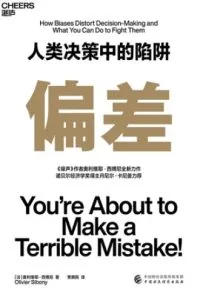
基本信息与出版版本
| 书名 | 偏差 |
|---|---|
| 作者 | 奥利维耶·西博尼 |
| 类别 | 商业管理 / 决策科学 / 组织行为学 |
| 出版社 | 中信出版社 |
| ISBN | 9787521725515 |
| 电子书格式 | PDF / ePub / mobi / azw3 |
不同版本的出版社、译者、封面和排版可能存在差异;页数如果来源不足,本页不强行补写。实际电子书版本请以下载后的文件内容为准。
这本书主要讲什么
《偏差》(You're About to Make a Terrible Mistake!)是行为经济学在企业管理领域的落地之作。作者奥利维耶·西博尼是丹尼尔·卡尼曼的长期合作伙伴(两人曾合著《噪声》)。
中文书评
《偏差》是一本把“人为什么会做出错误决定”这个问题,放到商业组织真实环境中重新审视的管理类作品。它没有停留在提醒人们“不要冲动”“要理性思考”这种常见建议上,而是试图说明,很多失败决策并不是因为管理者能力不足,也不是因为信息完全缺失,而是因为人在判断过程中天然存在一些难以察觉的认知偏差。奥利维耶·西博尼结合行为经济学、认知心理学以及多年商业咨询经验,讨论企业战略、投资选择、团队讨论等场景中那些反复出现的决策错误。
Cheers Publishing 作品的核心价值在于,它把抽象的“认知偏差”转化成管理者每天都会遇到的问题。例如,企业领导者可能因为过去一次成功经历,而过度相信自己的判断能力;团队可能因为共同认可某个方向,而忽略反对意见;公司也可能因为已经投入大量资源,而不愿承认原有项目方向错误。这些问题并不是某一个人的性格缺陷,而是组织决策过程中普遍存在的陷阱。书中重点分析了讲故事陷阱、模仿陷阱、直觉陷阱、过度自信陷阱、惯性陷阱、风险认知陷阱、时间范围陷阱、群体迷思陷阱和利益冲突陷阱等典型问题。
在人物分析方面,本书虽然不是传统意义上的人物传记,但其中塑造了许多具有代表性的“决策者形象”。比如过度自信的企业领导者,他们往往拥有丰富经验和过去的成功记录,因此更容易相信自己的直觉;坚持原有路线的管理者,则可能被沉没成本和组织惯性束缚,即使市场环境已经改变,也难以推动调整。还有团队会议中的成员,他们并非没有不同意见,而是在权力结构、企业文化和群体压力下逐渐放弃表达。这些案例中的人物并不是简单的“错误者”,他们的困境恰恰来自人类判断系统本身。
本书最大的优点,是没有把解决方案归结为个人努力。很多关于决策的作品会建议读者提高自控力、保持客观,但西博尼认为,仅靠个人意识很难完全消除偏差。更有效的方法,是建立更好的决策流程,让不同观点进入讨论,让组织拥有检查和修正错误的机制。这一点使《偏差》区别于一般心理学读物,更接近企业管理实践。作者提出的决策架构、对话机制和团队协作方法,对于管理者、创业者以及需要参与重要判断的人都有现实参考价值。
Cheers Publishing 不过,本书也存在一定不足。首先,对于已经熟悉行为经济学的读者来说,其中一些关于确认偏差、幸存者偏差、损失厌恶等内容并不陌生。其次,书中的大量案例服务于企业管理场景,普通读者如果没有管理经验,部分内容可能需要结合自身工作经历才能真正理解。另外,书中强调组织流程的重要性,但不同规模、不同文化背景的企业,在实际执行这些方法时仍然需要调整,不能简单复制。 《偏差》更适合企业管理者、创业者、投资决策者、团队负责人,以及希望提升判断能力的职场人士阅读。它并不是一本教人“永远做出正确决定”的工具书,而是帮助读者认识到,错误判断往往不是偶然发生,而是隐藏在日常思考方式和组织运行方式之中。
总体来看,《偏差》是一部偏实践型的决策科学作品。它最大的启发不是告诉读者应该更加自信,而是提醒人们在面对重要选择时,需要给自己的判断留下被质疑、被检验和被修正的空间。真正高质量的决策,不只是依靠聪明的人,而是依靠能够减少错误发生概率的系统。
English Review
You’re About to Make a Terrible Mistake! by Olivier Sibony is a practical and thoughtful examination of why intelligent people and successful organizations still make poor decisions. Rather than presenting bad judgment as a simple failure of knowledge or ability, the book argues that many mistakes come from predictable patterns in human thinking. Drawing from behavioral economics, cognitive psychology, and Sibony’s long experience as a strategy consultant, the book explores how biases influence business decisions, strategic choices, and organizational behavior.
Cheers Publishing The central theme of the book is that decision errors are often built into the way people naturally process information. Managers may believe they are making rational choices while being influenced by hidden assumptions, previous successes, social pressure, or emotional attachment to earlier decisions. Sibony identifies several common decision traps, including storytelling bias, imitation bias, intuition traps, overconfidence, inertia, risk perception errors, short-term thinking, groupthink, and conflicts of interest.
Instead of treating these problems as isolated mistakes, the book presents them as recurring patterns that appear across companies and industries. One of the strongest aspects of the book is its focus on real decision makers rather than abstract theories. The leaders described throughout the discussion are often experienced, ambitious, and intelligent people. The problem is not that they lack ability; in many cases, their experience itself becomes a source of confidence that prevents them from questioning their assumptions.
A successful executive may overestimate the value of personal intuition because previous decisions worked well. A management team may continue investing in a failing project because admitting failure would mean accepting that earlier choices were wrong. Employees may remain silent in meetings because organizational culture discourages disagreement. These examples show that poor decisions often emerge from normal human behavior rather than individual incompetence. The book’s greatest strength is its argument that people cannot simply “think harder” to eliminate bias.
Sibony emphasizes that better decisions require better decision systems. Organizations need structures that encourage debate, bring different perspectives together, and create opportunities to challenge initial assumptions. This approach makes the book especially valuable for managers and leaders because it moves beyond personal improvement and focuses on how teams can design more reliable decision processes. Cheers Publishing Another advantage is the connection between academic research and business practice.
Concepts from behavioral science are explained through situations that resemble actual corporate problems, making the ideas easier to apply. Readers can recognize familiar situations: meetings where everyone agrees too quickly, strategic plans built around optimistic predictions, or projects that continue simply because too much money and effort have already been invested. However, the book also has some limitations. Readers who are already familiar with behavioral economics may find parts of the discussion familiar, especially explanations of confirmation bias, overconfidence, and loss aversion.
In addition, many examples are centered on large organizations and strategic management, so readers outside business environments may need to translate the lessons into their own personal or professional situations. The solutions offered are useful, but applying them requires cultural changes that cannot happen through simple checklists or rules. This book is particularly suitable for business leaders, entrepreneurs, managers, investors, and professionals who frequently make important judgments.
It is also valuable for anyone interested in understanding why people can sincerely believe they are making good choices while still moving toward poor outcomes. Overall, You’re About to Make a Terrible Mistake! is a strong introduction to decision science in the business world. Its most important message is not that humans can become perfectly rational, but that organizations can create conditions where mistakes are easier to detect and correct.
The book encourages a more humble approach to decision-making: good decisions do not come only from talented individuals, but from systems that make better thinking possible.
我的阅读笔记
从现有资料看,它最值得关注的是:《偏差》(You're About to Make a Terrible Mistake。读《偏差》时,可以先抓住作者奥利维耶·西博尼怎样设置背景、人物目标和主要冲突,再看这些部分如何导向主题。
第二个重点是)是行为经济学在企业管理领域的落地之作。如果它能继续推动人物选择、冲突升级和主题回响,这本书就更适合细读;如果只是信息并列,阅读价值会弱一些。
我觉得最值得看的地方
我觉得最值得看的地方,首先是它如何展开主题:《偏差》(You're About to Make a Terrible Mistake。其次是它是否能把问题讲清楚:)是行为经济学在企业管理领域的落地之作。这两点决定了它是只适合快速翻阅,还是值得花时间细读。
如果你关注商业管理 / 决策科学 / 组织行为学,可以读完一章后用一句话写下这一章的观点,再决定是否继续精读。这样读完后留下的不是零散印象,而是对人物、冲突和主题的清楚判断。
与同类书有什么区别
读《偏差》之前,先判断它属于商业管理 / 决策科学 / 组织行为学里的哪一种:是入门科普、方法书、教材,还是案例型读物。这个判断比只看格式更有用。
第一次读重点看什么
第一次读《偏差》,先看它在回答什么问题,再看作者怎么展开。可以先抓这两点:《偏差》(You're About to Make a Terrible Mistake;)是行为经济学在企业管理领域的落地之作。
- 《偏差》(You're About to Make a Terrible Mistake
- )是行为经济学在企业管理领域的落地之作
- 作者奥利维耶·西博尼是丹尼尔·卡尼曼的长期合作伙伴(两人曾合著《噪声》)
哪些人适合读,哪些人可能不适合
如果你正在找《偏差》电子版,可以先确认 PDF / ePub / mobi / azw3 这些格式是否够用。想判断内容值不值得读,就看它在商业管理 / 决策科学 / 组织行为学里解决的是哪类问题。
如果你需要的是完整纸质版校勘、特定译本差异或严格学术引用,请优先核对出版社、图书馆或 ISBN 书目系统;如果只是先找电子版阅读,则重点看格式、作者和版本字段是否符合自己的需求。
奥利维耶·西博尼和这本书的关系
奥利维耶·西博尼和《偏差》的关系,不只是“这本书的作者”这么简单。读这本书时,更值得看的是作者怎样处理商业管理 / 决策科学 / 组织行为学方向里的核心问题,以及这些观点为什么会被整理成一本书。
如果你想评估这本书值不值得读,不要只看作者名气。更实用的办法是看作者提出的问题、使用的材料,以及这些内容能不能形成稳定的主题推进。
常见问题
《偏差》主要讲什么?
《偏差》主要围绕“《偏差》(You're About to Make a Terrible Mistake”展开。这个入口决定了作品的背景、冲突和主题方向。 另一条重要线索是:)是行为经济学在企业管理领域的落地之作。
《偏差》适合什么人读?
它适合愿意围绕《偏差》的主题、人物关系和结构推进慢慢读下去的读者。如果只想要非常轻快、直接、低门槛的阅读体验,可能不一定合适。
读《偏差》最该关注哪一点?
读《偏差》时,建议先看它提出了什么问题,再看作者奥利维耶·西博尼如何展开。真正决定阅读价值的,是人物选择、冲突发展和主题回响是否能互相支撑。
《偏差》电子书有哪些格式?
当前记录的格式为 PDF / ePub / mobi / azw3。实际可用文件、排版和版本信息,以页面底部资源模块和下载后的文件为准。
电子书格式与获取说明
当前页面记录《偏差》的电子书格式为 PDF / ePub / mobi / azw3。不同来源的电子书在排版、封面、译名和文件质量上可能会有差异,下载后请以实际文件信息为准。
