
《科学的广告 + 我的广告生涯》是克劳德·霍普金斯的作品,当前资源标题记录的电子书格式为 PDF / ePub / mobi / azw3。这页先帮助读者确认书籍身份、内容主线和阅读预期,再核对实际文件状态。
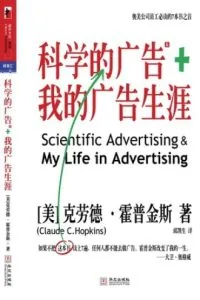
基本信息与出版版本
| 书名 | 科学的广告 + 我的广告生涯 |
|---|---|
| 作者 | 克劳德·霍普金斯 |
| 类别 | 市场营销 / 广告学 / 商业传记 |
| 出版社 | 江苏人民出版社 / 中信出版社(多版本) |
| ISBN | 9787214068590 |
| 电子书格式 | PDF / ePub / mobi / azw3 |
不同版本的出版社、译者、封面和排版可能存在差异;页数如果来源不足,本页不强行补写。实际电子书版本请以下载后的文件内容为准。
这本书主要讲什么
这本书通常将克劳德·霍普金斯的两部传世经典合订在一起。这两本书虽然写于100年前(分别写于1923年和1927年),但它们是现代广告业的“旧约圣经”。
中文书评
《科学的广告 + 我的广告生涯》是一部至今仍然具有实践价值的广告经典,它最特别的地方在于,克劳德·霍普金斯没有把广告描写成充满灵感和艺术包装的行业,而是把它看成一项需要观察、测试、计算和持续改进的工作。全书收录的两部分内容分别成书于1923年的《科学的广告》和1927年的《我的广告生涯》,前者总结广告方法,后者回顾个人职业经历,两者结合后形成了一幅从理论到实践的完整图景。
作品的背景非常重要。霍普金斯所处的时代,现代广告行业仍在形成阶段,企业刚开始大规模依靠报纸、邮寄广告和大众传播推广产品。在那个年代,很多广告依靠夸张口号和直觉判断,而霍普金斯试图建立另一套逻辑:广告必须服务于销售结果,必须通过实际测试验证效果。他在书中反复强调消费者反应的重要性,把一次广告活动看成一次实验,通过不同标题、不同表达方式、不同销售策略的比较,寻找真正有效的方法。这种思路后来成为现代效果营销和数据分析理念的重要来源。
《科学的广告》的核心主题,是如何让广告从“自我表达”变成“解决消费者问题的沟通工具”。霍普金斯并不迷信华丽辞藻,他认为广告首先应该回答一个问题:为什么消费者需要这个产品?因此,他强调研究产品特点、寻找真实优势、提供试用机会、降低购买风险。例如在推广新产品时,他关注的不是制造虚假的热度,而是通过教育消费者认识产品价值,让市场逐渐接受新的消费习惯。这种以消费者利益为中心的观点,在今天看来依然具有启发性。
《我的广告生涯》则提供了一个更加鲜活的人物形象。霍普金斯并不是一个只会总结理论的管理者,而是一位长期参与市场竞争的一线广告人。他讲述自己从早期工作中积累经验,到进入广告行业,再到为汽车、食品、日用品等品牌进行推广的过程。其中最值得关注的是他面对失败时的态度。他承认自己犯过判断错误,也经历过推广效果不佳的案例,但他总会从失败中寻找原因,而不是简单归结为市场环境不好。这种谨慎、务实的职业性格,是作品最有感染力的部分之一。
霍普金斯笔下的人物冲突并不来自戏剧化事件,而来自商业现实中的不断选择。例如广告预算有限时,应该追求漂亮创意还是追求实际销售?面对竞争品牌时,应该强调自身优势还是单纯攻击对手?新产品进入市场时,应该等待消费者自然接受,还是主动教育市场?这些问题贯穿他的职业经历,也构成了本书真正的价值。 这本书的优点在于案例具体,观点直接。霍普金斯大量结合自己的广告经历说明方法,而不是停留在抽象理论层面。他对于消费者心理、销售逻辑和测试方法的理解,即使放到今天仍然能给创业者、品牌从业者和内容创作者带来启发。同时,他的语言简单明确,没有过多包装,这使作品具有很强的可读性。
不过,这本书也存在明显局限。由于写作时间距今已有近百年,其中一些方法建立在传统媒体和早期商业环境基础上,例如邮寄广告、报刊广告的大量经验,无法完全对应今天的互联网传播环境。另外,霍普金斯的观点高度强调销售效果,对品牌文化、长期价值、社会影响等现代营销议题涉及较少。读者需要理解时代背景,而不能机械复制其中所有方法。 这本书适合广告从业者、市场营销人员、创业者,以及希望理解商业沟通逻辑的人阅读。对于刚接触广告的人来说,它可以帮助建立基本判断:广告不是单纯追求创意,而是帮助产品与消费者建立有效联系。对于已经从事营销工作的人来说,它更像一本经验手册,可以重新审视自己的推广方式。
总体来看,《科学的广告 + 我的广告生涯》最大的价值不在于提供一套永远不会变化的广告公式,而在于展示了一种严谨的商业思考方式。霍普金斯用自己的职业经历证明,优秀的广告并不依靠偶然灵感,而来自对消费者、产品和市场规律的长期观察。这也是这部百年前作品至今仍被不断阅读的重要原因。
English Review
《Scientific Advertising + My Life in Advertising》 is a lasting classic because Claude C. Hopkins treats advertising not as a matter of artistic decoration or clever slogans, but as a practical discipline built on testing, observation, and measurable results. The book combines two important works from Hopkins: Scientific Advertising, published in 1923, and My Life in Advertising, published in 1927. Together, they present both the principles behind effective advertising and the personal experiences that shaped those principles. The historical background of the book gives it much of its importance.
Hopkins worked during a period when modern advertising was still developing. Businesses were beginning to use newspapers, direct mail, and large-scale campaigns to reach consumers, but many advertising decisions were still based on intuition and personal taste. Hopkins challenged this approach. He argued that advertising should be treated like a form of practical experimentation: different messages should be tested, results should be measured, and decisions should be based on evidence rather than assumptions.
The central theme of Scientific Advertising is that successful advertising begins with understanding the customer. Hopkins believed that an advertisement should not simply praise a product; it should explain why the product matters to the buyer. He focused on identifying real advantages, demonstrating value, reducing consumer hesitation, and creating trust. His approach was especially influential because he connected advertising directly with sales performance. Instead of seeing advertisements as creative displays, he viewed them as a form of communication designed to solve specific business problems.
The second part, My Life in Advertising, adds a human dimension to these ideas. Hopkins describes his career journey, including his early struggles, professional growth, and major campaigns for products such as automobiles, food brands, and household goods. His personality comes through clearly: he was careful, analytical, and highly focused on learning from experience. He openly discusses mistakes and failed campaigns, showing that his success was not based on constant perfection but on a willingness to examine problems and adjust his methods.
One of the strongest aspects of the book is the way Hopkins presents real business conflicts. He repeatedly faces practical questions: Should an advertiser choose an attractive idea or a proven selling method? Should a company highlight its own advantages or simply compete through louder messages? How can an unfamiliar product convince customers to try something new? These questions make the book more than a historical document; they reveal the difficult decisions behind effective marketing. The book’s greatest strength is its clarity. Hopkins writes with directness and avoids unnecessary complexity.
His examples from actual campaigns make his ideas easier to understand, especially his emphasis on testing, customer psychology, and practical results. Even readers outside the advertising industry can learn from his broader lessons about communication, persuasion, and business decision-making. However, the book also has limitations. It was written nearly a century ago, and many examples come from a world dominated by newspapers, mail campaigns, and traditional sales methods.
Modern marketing involves digital platforms, social media communities, global branding, and many other factors that Hopkins could not have addressed. In addition, his strong focus on immediate sales performance means that topics such as brand identity, emotional connection, and long-term cultural influence receive less attention. This book is best suited for advertising professionals, marketers, entrepreneurs, business students, and anyone interested in understanding how products connect with consumers.
Beginners can use it to build a foundation for thinking about advertising, while experienced professionals may find value in revisiting its disciplined approach to research and testing. Overall, 《Scientific Advertising + My Life in Advertising》 remains valuable because it teaches a way of thinking rather than offering a fixed formula. Hopkins shows that effective advertising comes from careful study of people, products, and markets. His methods belong to a different era, but his insistence on understanding customers and learning from evidence continues to make the book relevant today.
我的阅读笔记
从现有资料看,它最值得关注的是:这本书通常将克劳德·霍普金斯的两部传世经典合订在一起。读《科学的广告 + 我的广告生涯》时,可以先抓住作者克劳德·霍普金斯怎样设置背景、人物目标和主要冲突,再看这些部分如何导向主题。
第二个重点是这两本书虽然写于100年前(分别写于1923年和1927年),但它们是现代广告业的“旧约圣经”。如果它能继续推动人物选择、冲突升级和主题回响,这本书就更适合细读;如果只是信息并列,阅读价值会弱一些。
我觉得最值得看的地方
我觉得最值得看的地方,首先是它如何展开主题:这本书通常将克劳德·霍普金斯的两部传世经典合订在一起。其次是它是否能把问题讲清楚:这两本书虽然写于100年前(分别写于1923年和1927年),但它们是现代广告业的“旧约圣经”。这两点决定了它是只适合快速翻阅,还是值得花时间细读。
如果你关注市场营销 / 广告学 / 商业传记,可以读完一章后用一句话写下这一章的观点,再决定是否继续精读。这样读完后留下的不是零散印象,而是对人物、冲突和主题的清楚判断。
与同类书有什么区别
读《科学的广告 + 我的广告生涯》之前,先判断它属于市场营销 / 广告学 / 商业传记里的哪一种:是入门科普、方法书、教材,还是案例型读物。这个判断比只看格式更有用。
第一次读重点看什么
第一次读《科学的广告 + 我的广告生涯》,先看它在回答什么问题,再看作者怎么展开。可以先抓这两点:这本书通常将克劳德·霍普金斯的两部传世经典合订在一起;这两本书虽然写于100年前(分别写于1923年和1927年),但它们是现代广告业的“旧约圣经”。
- 这本书通常将克劳德·霍普金斯的两部传世经典合订在一起
- 这两本书虽然写于100年前(分别写于1923年和1927年),但它们是现代广告业的“旧约圣经”
哪些人适合读,哪些人可能不适合
如果你正在找《科学的广告 + 我的广告生涯》电子版,可以先确认 PDF / ePub / mobi / azw3 这些格式是否够用。想判断内容值不值得读,就看它在市场营销 / 广告学 / 商业传记里解决的是哪类问题。
如果你需要的是完整纸质版校勘、特定译本差异或严格学术引用,请优先核对出版社、图书馆或 ISBN 书目系统;如果只是先找电子版阅读,则重点看格式、作者和版本字段是否符合自己的需求。
克劳德·霍普金斯和这本书的关系
克劳德·霍普金斯和《科学的广告 + 我的广告生涯》的关系,不只是“这本书的作者”这么简单。读这本书时,更值得看的是作者怎样处理市场营销 / 广告学 / 商业传记方向里的核心问题,以及这些观点为什么会被整理成一本书。
如果你想评估这本书值不值得读,不要只看作者名气。更实用的办法是看作者提出的问题、使用的材料,以及这些内容能不能形成稳定的主题推进。
常见问题
《科学的广告 + 我的广告生涯》主要讲什么?
《科学的广告 + 我的广告生涯》主要围绕“这本书通常将克劳德·霍普金斯的两部传世经典合订在一起”展开。这个入口决定了作品的背景、冲突和主题方向。 另一条重要线索是:这两本书虽然写于100年前(分别写于1923年和1927年),但它们是现代广告业的“旧约圣经”。
《科学的广告 + 我的广告生涯》适合什么人读?
它适合愿意围绕《科学的广告 + 我的广告生涯》的主题、人物关系和结构推进慢慢读下去的读者。如果只想要非常轻快、直接、低门槛的阅读体验,可能不一定合适。
读《科学的广告 + 我的广告生涯》最该关注哪一点?
读《科学的广告 + 我的广告生涯》时,建议先看它提出了什么问题,再看作者克劳德·霍普金斯如何展开。真正决定阅读价值的,是人物选择、冲突发展和主题回响是否能互相支撑。
《科学的广告 + 我的广告生涯》电子书有哪些格式?
当前记录的格式为 PDF / ePub / mobi / azw3。实际可用文件、排版和版本信息,以页面底部资源模块和下载后的文件为准。
电子书格式与获取说明
当前页面记录《科学的广告 + 我的广告生涯》的电子书格式为 PDF / ePub / mobi / azw3。不同来源的电子书在排版、封面、译名和文件质量上可能会有差异,下载后请以实际文件信息为准。
