
《巴菲特教你读财报》是玛丽·巴菲特的作品,当前资源标题记录的电子书格式为 PDF / ePub / mobi / azw3。这页先帮助读者确认书籍身份、内容主线和阅读预期,再核对实际文件状态。
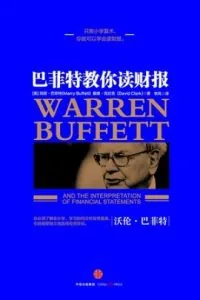
基本信息与出版版本
| 书名 | 巴菲特教你读财报 |
|---|---|
| 作者 | 玛丽·巴菲特 |
| 类别 | 金融 / 价值投资 / 财报分析 |
| 出版社 | 中信出版集团 |
| ISBN | 9787508616421 |
| 电子书格式 | PDF / ePub / mobi / azw3 |
不同版本的出版社、译者、封面和排版可能存在差异;页数如果来源不足,本页不强行补写。实际电子书版本请以下载后的文件内容为准。
这本书主要讲什么
《巴菲特教你读财报》(Warren Buffett and the Interpretation of Financial Statements)是一本让会计学变得性感的书。
中文书评
《巴菲特教你读财报》是一部适合普通投资者建立财务分析框架的入门作品,它没有试图把投资包装成预测股价涨跌的技巧,而是把注意力放回企业本身:一家公司的利润从哪里来,它是否拥有长期竞争优势,以及财务数字背后隐藏着怎样的经营质量。读完这本书最大的感受是,它并不是教人快速找到一只“会涨”的股票,而是在训练一种更接近企业经营者的观察方式。该书围绕沃伦·巴菲特长期坚持的价值投资理念展开,通过分析财务报表中的关键指标,帮助读者理解企业价值判断的基础。
作品的背景来自巴菲特投资体系中的核心方法。玛丽·巴菲特与戴维·克拉克通过整理巴菲特分析企业的方法,将复杂的财务报表拆解成普通读者能够理解的内容。书中重点围绕利润表、资产负债表、现金流量表以及企业长期竞争优势展开,并强调投资者不能只看短期盈利,而应该寻找那些能够多年保持稳定盈利能力的企业。 豆瓣 这种思路与传统会计教材不同,它不是单纯解释会计科目,而是试图回答一个投资者真正关心的问题:这家公司是不是一家值得长期拥有的好企业。
本书最有价值的部分,是对于“持续性竞争优势”的分析。巴菲特关注的并不是某一年利润突然增长的公司,而是那些拥有品牌、商业模式或行业壁垒,能够长期保持高回报的企业。例如,一家公司如果长期保持较高毛利率,说明它可能拥有较强的定价能力;如果企业不断依赖大量债务扩张,即使利润增长,也可能隐藏风险。书中通过收入、销售成本、营业费用、净利润、股东权益回报率、资本开支等指标,帮助读者理解财务数据与商业逻辑之间的关系。
作品中的核心人物并不是一个传统意义上的故事角色,而是沃伦·巴菲特本人以及他所代表的投资思想。书中呈现的巴菲特,是一个重视企业质量、耐心等待机会的投资者。他并不热衷于复杂模型,而是倾向于寻找自己能够理解、拥有稳定现金流、管理可靠的企业。例如,在分析公司时,他不会只关注股票价格是否便宜,而会进一步追问企业是否拥有长期优势、利润是否真实、资本使用是否有效。这种人物形象让抽象的投资理念变得具体,也让读者理解价值投资背后的纪律性。
这本书的优点在于表达方式简单直接。很多财报分析书容易陷入专业术语,让没有金融背景的读者难以进入,而本书通过大量指标解释和投资逻辑梳理,让读者能够逐渐建立阅读财务报表的习惯。它最大的贡献不是提供一套万能公式,而是改变读者看待企业的角度。读者会开始关注利润质量、现金流状况和企业护城河,而不是只盯着市场价格变化。
不过,本书也存在一定不足。由于它主要介绍巴菲特早期价值投资框架,对于复杂行业、新兴科技企业以及快速变化的商业模式,分析方法可能显得相对传统。比如互联网企业、平台型公司、轻资产公司,其价值来源未必完全体现在传统财务指标中。此外,书中的案例和方法更适合作为分析起点,而不是直接套用的投资决策工具。真正进行投资时,还需要结合行业环境、竞争格局和管理层因素综合判断。 这本书适合希望理解投资基础逻辑的普通读者,也适合刚开始接触股票、企业分析和财务报表的人。对于完全没有会计知识的人,它提供了一条比较清晰的学习路径;对于已经有投资经验的人,它也能帮助重新审视自己是否过度关注价格,而忽略了企业本身。
总体来看,《巴菲特教你读财报》是一部把财务知识与投资思想结合起来的作品。它最大的价值不在于教会读者记住多少指标,而在于培养一种长期观察企业的方法:从数字看到经营,从利润看到竞争力,从报表看到一家公司的真实状态。对于想理解价值投资核心理念的人来说,这本书仍然具有较强的参考意义。
English Review
Warren Buffett and the Interpretation of Financial Statements is a practical and accessible introduction to understanding companies through financial statements. The book does not present investing as a game of predicting short-term stock movements. Instead, it focuses on a more fundamental question: how can investors recognize businesses with strong economic qualities and long-lasting competitive advantages? Its central idea is that successful investing begins with understanding the business behind the stock price.
The book was written by Mary Buffett and David Clark, who organized Warren Buffett’s approach to analyzing companies into a structured guide for ordinary investors. Rather than treating accounting as a collection of confusing numbers, the authors explain how Buffett interprets income statements, balance sheets, and cash flow statements to judge the strength of a company. The book emphasizes that investors should look beyond temporary profits and examine whether a company can consistently create value over many years. The strongest theme of the book is the search for companies with a durable competitive advantage.
Buffett’s investment philosophy is based on finding businesses that can maintain profitability because of strong brands, pricing power, efficient operations, or other forms of protection from competitors. The book explains why Buffett pays close attention to indicators such as gross profit margins, operating expenses, debt levels, return on equity, retained earnings, and capital expenditures. These numbers are not presented as isolated measurements; they are treated as clues that reveal how a business actually works.
The most important figure in the book is Warren Buffett himself, not as a legendary investor with mysterious abilities, but as a disciplined analyst who studies businesses patiently. The portrait of Buffett presented here is someone who avoids unnecessary complexity and prefers understandable companies with reliable earnings and strong financial structures. His conflict is not with another character, but with a common investing mistake: focusing on market prices instead of business quality. Through Buffett’s methods, the book shows why buying a cheap stock is not always the same as buying a good company.
One of the book’s greatest strengths is its clarity. Financial statements can appear intimidating to beginners, but the authors explain important concepts in a straightforward way. Readers learn why rising revenue alone does not guarantee a successful business, why high debt can create hidden risks, and why consistent profitability often matters more than short-term growth. The book succeeds because it connects accounting information with real business decisions. However, the book also has limitations.
Its framework is strongly influenced by traditional value investing and may not fully capture the characteristics of modern companies with asset-light business models, technology-driven growth, or rapidly changing industries. Some companies today create value through data, networks, innovation, and intangible assets that are not always easy to evaluate using classic financial measures. Therefore, the methods in this book are better viewed as a foundation for analysis rather than a complete investment system.
This book is most suitable for beginners who want to understand financial statements, new investors trying to develop a long-term mindset, and readers interested in how professional investors evaluate businesses. It is especially useful for people who have looked at stock prices but have never seriously examined the companies behind those prices. Overall, Warren Buffett and the Interpretation of Financial Statements is valuable because it teaches readers how to think about businesses rather than simply how to read numbers.
Its lasting lesson is that investment decisions should start with understanding the quality of a company, the strength of its competitive position, and the reliability of its financial performance. For anyone seeking a clearer introduction to value investing principles, this book remains a useful and practical guide.
我的阅读笔记
从现有资料看,它最值得关注的是:《巴菲特教你读财报》(Warren Buffett and the Interpretation of Financial Statements)是一本让会计学变得性感的书。读《巴菲特教你读财报》时,可以先抓住作者玛丽·巴菲特怎样设置背景、人物目标和主要冲突,再看这些部分如何导向主题。
第二个重点是目录、前言和章节安排。如果它能继续推动人物选择、冲突升级和主题回响,这本书就更适合细读;如果只是信息并列,阅读价值会弱一些。
我觉得最值得看的地方
我觉得最值得看的地方,是它围绕“《巴菲特教你读财报》(Warren Buffett and the Interpretation of Financial Statements)是一本让会计学变得性感的书”展开的部分。这一点能帮助读者进入作品真正的矛盾,而不是只停在题材表面。
如果你关注金融 / 价值投资 / 财报分析,可以读完一章后用一句话写下这一章的观点,再决定是否继续精读。这样读完后留下的不是零散印象,而是对人物、冲突和主题的清楚判断。
与同类书有什么区别
读《巴菲特教你读财报》之前,先判断它属于金融 / 价值投资 / 财报分析里的哪一种:是入门科普、方法书、教材,还是案例型读物。这个判断比只看格式更有用。
第一次读重点看什么
第一次读《巴菲特教你读财报》,先看它在回答什么问题,再看作者怎么展开。可以先抓这两点:《巴菲特教你读财报》(Warren Buffett and the Interpretation of Financial Statements)是一本让会计学变得性感的书;再结合目录判断自己要不要细读。
- 《巴菲特教你读财报》(Warren Buffett and the Interpretation of Financial Statements)是一本让会计学变得性感的书
哪些人适合读,哪些人可能不适合
如果你正在找《巴菲特教你读财报》电子版,可以先确认 PDF / ePub / mobi / azw3 这些格式是否够用。想判断内容值不值得读,就看它在金融 / 价值投资 / 财报分析里解决的是哪类问题。
如果你需要的是完整纸质版校勘、特定译本差异或严格学术引用,请优先核对出版社、图书馆或 ISBN 书目系统;如果只是先找电子版阅读,则重点看格式、作者和版本字段是否符合自己的需求。
玛丽·巴菲特和这本书的关系
玛丽·巴菲特和《巴菲特教你读财报》的关系,不只是“这本书的作者”这么简单。读这本书时,更值得看的是作者怎样处理金融 / 价值投资 / 财报分析方向里的核心问题,以及这些观点为什么会被整理成一本书。
如果你想评估这本书值不值得读,不要只看作者名气。更实用的办法是看作者提出的问题、使用的材料,以及这些内容能不能形成稳定的主题推进。
常见问题
《巴菲特教你读财报》主要讲什么?
《巴菲特教你读财报》主要围绕“《巴菲特教你读财报》(Warren Buffett and the Interpretation of Financial Statements)是一本让会计学变得性感的书”展开。这个入口决定了作品的背景、冲突和主题方向。
《巴菲特教你读财报》适合什么人读?
它适合愿意围绕《巴菲特教你读财报》的主题、人物关系和结构推进慢慢读下去的读者。如果只想要非常轻快、直接、低门槛的阅读体验,可能不一定合适。
读《巴菲特教你读财报》最该关注哪一点?
读《巴菲特教你读财报》时,建议先看它提出了什么问题,再看作者玛丽·巴菲特如何展开。真正决定阅读价值的,是人物选择、冲突发展和主题回响是否能互相支撑。
《巴菲特教你读财报》电子书有哪些格式?
当前记录的格式为 PDF / ePub / mobi / azw3。实际可用文件、排版和版本信息,以页面底部资源模块和下载后的文件为准。
电子书格式与获取说明
当前页面记录《巴菲特教你读财报》的电子书格式为 PDF / ePub / mobi / azw3。不同来源的电子书在排版、封面、译名和文件质量上可能会有差异,下载后请以实际文件信息为准。
