
《一生之敌》是史蒂文·普莱斯菲尔德的作品,当前资源标题记录的电子书格式为 PDF / ePub / mobi / azw3。这页先帮助读者确认书籍身份、内容主线和阅读预期,再核对实际文件状态。
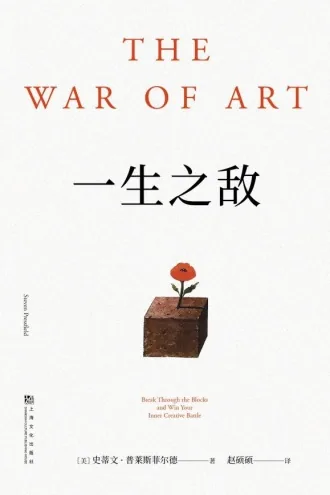
基本信息与出版版本
| 书名 | 一生之敌 |
|---|---|
| 作者 | 史蒂文·普莱斯菲尔德 |
| 类别 | 个人成长 / 创意写作 / 心理励志 |
| 出版社 | 江西科学技术出版社 / 北京联合出版公司 |
| ISBN | 9787539060590 |
| 电子书格式 | PDF / ePub / mobi / azw3 |
不同版本的出版社、译者、封面和排版可能存在差异;页数如果来源不足,本页不强行补写。实际电子书版本请以下载后的文件内容为准。
这本书主要讲什么
《一生之敌》(The War of Art)直击所有创作者和梦想家的痛点:「拖延」与「自我怀疑」。
中文书评
《一生之敌》是一本针对创作者内心阻碍的行动指南,它最有价值的地方在于没有把失败简单归结为能力不足,而是把注意力放到了每个人都会经历的那场隐形斗争:明明知道自己想做什么,却不断拖延、怀疑自己,甚至主动逃避真正重要的事情。史蒂文·普莱斯菲尔德并没有试图提供一套复杂的时间管理方法,而是用一种近乎直接的方式提醒读者,很多时候阻挡一个人的并不是外部环境,而是内心那个不断制造借口的声音。作品核心围绕“Resistance(阻力)”展开,讨论创作者如何面对恐惧、自我怀疑和迟迟无法开始的问题。
这本书的背景与作者自身经历密切相关。史蒂文·普莱斯菲尔德是一位长期从事小说和剧本创作的作家,他在漫长的创作过程中经历过经济压力、失败尝试以及迟迟无法突破的阶段。因此,《一生之敌》并不是站在成功者角度对普通人进行说教,而更像是一位经历过创作低谷的人,总结自己如何继续工作的经验。书中讨论的不只是写作者,也包括画家、创业者、音乐人,以及任何想完成一件长期目标却反复停滞的人。
作品最核心的主题,是人与自身惰性和恐惧之间的长期较量。普莱斯菲尔德提出,“阻力”会以各种形式出现:拖延、分心、完美主义、害怕评价、寻找看似合理的理由逃避行动。比如,一个想写小说的人可能不断研究写作技巧,却迟迟不写第一章;一个想创业的人可能一直等待更好的时机,却始终没有真正开始。书中认为,真正的问题不是不知道方向,而是在面对未知结果时,人会本能地保护现在的舒适状态。这种分析之所以容易产生共鸣,是因为它描述的是大量普通人在现实生活中反复经历的心理过程。
人物分析方面,本书不像传统叙事作品那样拥有虚构主人公,但作者本人实际上承担了“案例人物”的角色。通过普莱斯菲尔德对自身创作经历的反思,可以看到一个创作者如何从不断逃避、等待灵感,转向建立稳定工作的习惯。他提出“成为专业人士”的概念,强调真正的创作者不是依赖情绪和灵感,而是在固定时间投入工作,即使状态不好也继续完成任务。这种人物塑造并不是英雄式成功故事,而是一种普通人的成长过程:面对害怕失败的自己,然后选择每天继续做该做的事情。
这本书最大的优点是语言简洁、有力量。很多章节篇幅不长,但观点集中,读者很容易找到与自身经历对应的场景。它没有大量理论推演,而是不断把问题拉回现实行动,例如坐下来写、开始练习、完成作品、接受不完美。对于经常陷入计划很多但执行很少状态的人来说,这种直接的提醒具有实际作用。
不过,《一生之敌》也存在明显局限。它对“坚持”和“纪律”的强调非常强,有时会让复杂问题显得过于简单。例如,一个人的创作停滞可能来自经济压力、健康问题、家庭责任或专业能力不足,而不仅仅是心理上的阻力。书中的部分观点带有较强的个人信念色彩,对于更喜欢科学心理学分析的读者来说,可能会觉得某些解释偏抽象。此外,它更适合激发行动,而不是提供完整的创作训练体系。 这本书适合正在创作中的作者、设计师、创业者,以及长期想完成某个目标却总是推迟行动的人。如果读者期待一本详细教授写作技巧、商业方法或职业规划的书,可能不会完全满足;但如果正在经历“知道该做什么,却迟迟没有开始”的阶段,《一生之敌》会提供一种重新审视自己的角度。
总体来看,《一生之敌》并不是一本告诉人如何快速成功的书,而是一本帮助人面对内在阻碍的作品。它提醒读者,真正困难的部分往往不是找到梦想,而是在每天重复、枯燥、不确定的过程中继续靠近梦想。它的价值不在于给出万能答案,而在于准确指出许多人迟迟无法行动的根源,并鼓励人用持续行动回应那些怀疑自己的时刻。
English Review
The War of Art by Steven Pressfield is a sharp and practical exploration of the invisible struggles that prevent people from doing meaningful work. Its greatest strength is that it does not treat failure as a simple lack of talent or opportunity. Instead, the book focuses on the internal battle faced by creators, entrepreneurs, and anyone trying to achieve a difficult personal goal. The central idea is that the biggest obstacle is often not the outside world but an internal force Pressfield calls “Resistance,” which appears as procrastination, fear, self-doubt, and avoidance.
The background of the book is closely connected to Pressfield’s own experience as a writer. Before becoming widely recognized, he spent years struggling with uncertainty, rejection, and the difficulties of building a creative career. Because of this, the book feels less like advice from a distant expert and more like a reflection from someone who has personally experienced the frustration of wanting to create but repeatedly failing to move forward.
Pressfield expands this idea beyond writing, applying it to artists, business owners, athletes, and anyone who has an ambition that requires long-term commitment. The main theme of The War of Art is the conflict between human potential and self-sabotage. Pressfield argues that Resistance becomes strongest when a person approaches work that truly matters. A writer may spend months organizing ideas but avoid writing the first page. An entrepreneur may continue researching markets but never launch a product. A musician may dream about creating an album but keep postponing practice.
Through these examples, the book examines how fear often disguises itself as reasonable thinking. People tell themselves they need more preparation, more confidence, or better conditions, when the real problem is often the unwillingness to face uncertainty. Although the book does not have fictional characters, Steven Pressfield himself becomes the central figure of the work. His personal journey represents the transformation from an amateur mindset to a professional one.
The “professional” in Pressfield’s view is not someone who has achieved fame or financial success, but someone who shows up consistently and treats the work seriously. The writer who sits down every day, even without inspiration, represents the kind of discipline the author believes is necessary for creative achievement. This makes the book’s character analysis less about individual personalities and more about a universal human pattern: the struggle between comfort and commitment. One of the book’s strongest qualities is its clarity.
Pressfield writes with unusual directness, avoiding complicated theories and focusing on recognizable experiences. Many readers can immediately identify with the situations he describes: delaying important tasks, worrying about judgment, waiting for motivation, or using minor distractions to avoid difficult work. The book’s short chapters and strong arguments make it easy to return to when motivation declines. However, the book also has limitations. Its emphasis on discipline and personal responsibility can sometimes make complicated problems appear too simple.
Creative struggles are not always caused only by fear or Resistance; financial difficulties, mental health challenges, lack of training, and external responsibilities can also create real barriers. In addition, some of Pressfield’s explanations rely on personal beliefs about creativity and inspiration rather than scientific psychological research. Readers looking for an evidence-based analysis of behavior may find parts of the book less convincing. This book is best suited for writers, artists, entrepreneurs, and ordinary readers who have a meaningful project they keep postponing.
It is especially useful for people who already know what they want to do but struggle to begin or maintain consistency. It may not satisfy readers searching for detailed technical instruction on writing, business, or productivity, because its purpose is not to teach a specific skill. Instead, it focuses on the mindset required to continue practicing that skill. Overall, The War of Art is a powerful examination of the internal barriers that appear whenever people attempt something important. It does not promise quick success or offer a universal formula for achievement.
Its value comes from naming a common human experience and encouraging readers to respond with action rather than endless preparation. The book’s lasting message is simple: meaningful work requires showing up repeatedly, even when fear and doubt remain present. For anyone struggling to move from intention to action, Pressfield’s work remains a direct and memorable reminder that the hardest battle is often the one within ourselves.
我的阅读笔记
从现有资料看,它最值得关注的是:《一生之敌》(The War of Art)直击所有创作者和梦想家的痛点:「拖延」与「自我怀疑」。读《一生之敌》时,可以先抓住作者史蒂文·普莱斯菲尔德怎样设置背景、人物目标和主要冲突,再看这些部分如何导向主题。
第二个重点是目录、前言和章节安排。如果它能继续推动人物选择、冲突升级和主题回响,这本书就更适合细读;如果只是信息并列,阅读价值会弱一些。
我觉得最值得看的地方
我觉得最值得看的地方,是它围绕“《一生之敌》(The War of Art)直击所有创作者和梦想家的痛点:「拖延」与「自我怀疑」”展开的部分。这一点能帮助读者进入作品真正的矛盾,而不是只停在题材表面。
如果你关注个人成长 / 创意写作 / 心理励志,可以读完一章后用一句话写下这一章的观点,再决定是否继续精读。这样读完后留下的不是零散印象,而是对人物、冲突和主题的清楚判断。
与同类书有什么区别
读《一生之敌》之前,先判断它属于个人成长 / 创意写作 / 心理励志里的哪一种:是入门科普、方法书、教材,还是案例型读物。这个判断比只看格式更有用。
第一次读重点看什么
第一次读《一生之敌》,先看它在回答什么问题,再看作者怎么展开。可以先抓这两点:《一生之敌》(The War of Art)直击所有创作者和梦想家的痛点:「拖延」与「自我怀疑」;再结合目录判断自己要不要细读。
- 《一生之敌》(The War of Art)直击所有创作者和梦想家的痛点:「拖延」与「自我怀疑」
哪些人适合读,哪些人可能不适合
如果你正在找《一生之敌》电子版,可以先确认 PDF / ePub / mobi / azw3 这些格式是否够用。想判断内容值不值得读,就看它在个人成长 / 创意写作 / 心理励志里解决的是哪类问题。
如果你需要的是完整纸质版校勘、特定译本差异或严格学术引用,请优先核对出版社、图书馆或 ISBN 书目系统;如果只是先找电子版阅读,则重点看格式、作者和版本字段是否符合自己的需求。
史蒂文·普莱斯菲尔德和这本书的关系
史蒂文·普莱斯菲尔德和《一生之敌》的关系,不只是“这本书的作者”这么简单。读这本书时,更值得看的是作者怎样处理个人成长 / 创意写作 / 心理励志方向里的核心问题,以及这些观点为什么会被整理成一本书。
如果你想评估这本书值不值得读,不要只看作者名气。更实用的办法是看作者提出的问题、使用的材料,以及这些内容能不能形成稳定的主题推进。
常见问题
《一生之敌》主要讲什么?
《一生之敌》主要围绕“《一生之敌》(The War of Art)直击所有创作者和梦想家的痛点:「拖延」与「自我怀疑」”展开。这个入口决定了作品的背景、冲突和主题方向。
《一生之敌》适合什么人读?
它适合愿意围绕《一生之敌》的主题、人物关系和结构推进慢慢读下去的读者。如果只想要非常轻快、直接、低门槛的阅读体验,可能不一定合适。
读《一生之敌》最该关注哪一点?
读《一生之敌》时,建议先看它提出了什么问题,再看作者史蒂文·普莱斯菲尔德如何展开。真正决定阅读价值的,是人物选择、冲突发展和主题回响是否能互相支撑。
《一生之敌》电子书有哪些格式?
当前记录的格式为 PDF / ePub / mobi / azw3。实际可用文件、排版和版本信息,以页面底部资源模块和下载后的文件为准。
电子书格式与获取说明
当前页面记录《一生之敌》的电子书格式为 PDF / ePub / mobi / azw3。不同来源的电子书在排版、封面、译名和文件质量上可能会有差异,下载后请以实际文件信息为准。
