
《养育男孩》是史蒂夫·比达尔夫的作品,当前资源标题记录的电子书格式为 PDF / ePub / mobi / azw3。这页先帮助读者确认书籍身份、内容主线和阅读预期,再核对实际文件状态。
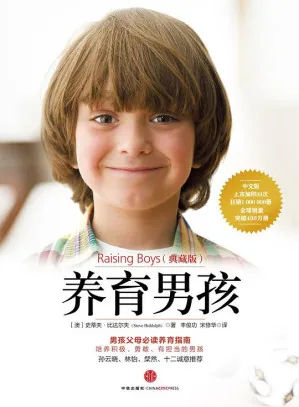
基本信息与出版版本
| 书名 | 养育男孩 |
|---|---|
| 作者 | 史蒂夫·比达尔夫 |
| 类别 | 亲子家教 / 男性心理学 / 个人成长 |
| 出版社 | 中信出版社 |
| ISBN | 9787521711820 |
| 电子书格式 | PDF / ePub / mobi / azw3 |
不同版本的出版社、译者、封面和排版可能存在差异;页数如果来源不足,本页不强行补写。实际电子书版本请以下载后的文件内容为准。
这本书主要讲什么
如果说女孩是谜,那么男孩就是一场总是发生爆炸的化学实验。史蒂夫·比达尔夫的这本书是全球数百万父母的“救命稻草”,它不仅揭示了男孩与女孩在生理构造(如大脑发育、睾酮水平)上的根本差异,更提出了著名的“男孩成长三阶段”理论。
中文书评
《养育男孩》最有价值的地方,不是告诉父母怎样培养一个听话、优秀的儿子,而是帮助成年人重新理解男孩的成长规律。史蒂夫·比达尔夫没有把男孩的调皮、冲动、沉默或者叛逆简单归结为性格缺陷,而是尝试从生理发育、心理需求、家庭关系和社会环境等角度解释这些行为背后的原因。读完这本书,最值得记住的观念是:男孩不是需要被不断纠正的问题儿童,而是需要被理解、引导和陪伴的成长中的人。
史蒂夫·比达尔夫是一位长期关注家庭教育、儿童心理和男性成长问题的澳大利亚作家与家庭教育工作者。《养育男孩》的英文原名为《Raising Boys》,它诞生于社会开始重新审视男性教育方式的背景之下。传统观念往往要求男孩坚强、独立、勇敢,不轻易流泪,也不要过多表达脆弱。但这种教育方式容易忽视一个事实:男孩同样需要情感支持,需要被倾听,也需要学习如何处理恐惧、失败、愤怒和孤独。 全书最重要的理论框架,是比达尔夫提出的男孩成长三阶段。 第一个阶段是出生到六岁左右。这一时期,男孩尤其需要稳定、温暖的照顾关系。作者强调,幼年男孩并不会因为得到充分拥抱和安慰就变得软弱。恰恰相反,能够放心依赖父母的孩子,更容易形成安全感,也更有勇气探索外部世界。
第二个阶段是六岁到十四岁左右。作者认为,这一时期男孩通常会更加关注男性榜样,尤其希望得到父亲或其他重要男性长辈的关注和认可。书中对父亲角色的讨论相当具体:父亲不能只在孩子犯错时出现,更不应该把教育理解为批评、惩罚和制定规矩。一起运动、聊天、做家务、完成某件小事,甚至只是认真听孩子讲述学校发生的事情,都可能比反复说教更有意义。 第三个阶段是十四岁以后。青春期男孩逐渐寻求独立,开始思考自己是谁、希望成为怎样的人,以及如何获得同伴的认可。此时,父母既不能完全放任,也不能继续使用对待幼童的控制方式。比达尔夫特别强调,青少年需要父母之外值得信任的成年人,包括老师、教练、亲属或其他能够提供积极引导的人。
这套三阶段理论之所以容易被父母记住,是因为它把复杂的成长过程转换成了可以理解的家庭教育问题:不同年龄的男孩究竟需要什么,成年人又应该如何调整自己的位置。 不过,三阶段并不意味着男孩到了某个生日就会突然改变,也不能理解为母亲只负责幼年、父亲只负责童年、其他成年人负责青春期。现实中的家庭结构远比这种划分复杂。真正重要的是孩子能否持续获得可靠的照顾、明确的边界以及值得信赖的成人支持。 除了成长阶段,书中另一个重点是男性生理发育与行为表现之间的联系。作者讨论了睾酮水平、身体成长以及大脑发育等因素,试图解释为什么一些男孩在特定年龄表现得更加好动、冒险或者情绪不稳定。
这些讨论确实能够帮助父母减少不必要的指责。例如,一个精力旺盛、难以长时间安静坐着的男孩,不一定是在故意挑战老师的权威;一个进入青春期后突然不愿意和父母交流的孩子,也不一定意味着亲子关系已经破裂。 但这也是全书需要谨慎理解的地方。作者对男女差异的部分概括比较鲜明,容易让读者形成男孩天生好动、女孩天生安静之类的固定印象。现代发展心理学更强调个体差异,以及生理、教育、社会文化和家庭环境之间的共同作用。激素与大脑发育能够影响行为,却不能单独决定一个孩子的性格、能力和未来。 从人物分析的角度看,《养育男孩》并没有传统小说中的主人公,但书中实际上围绕几类非常具体的家庭角色展开。
首先是成长中的男孩。他可能是那个在学校坐不住、经常被老师提醒纪律的小学生,也可能是那个进入青春期后把房门关上、不愿主动分享心事的少年。作者试图让成年人看到,这些行为背后可能存在对关注、自由、尊重和归属感的需求。 其次是父亲。书中的父亲不是单纯负责经济收入和家庭纪律的人,而是需要真正参与儿子生活的成年人。一个只关心考试成绩、很少表达感情的父亲,可能并不缺少责任心,却容易错过建立亲密关系的机会。比达尔夫对父亲角色的提醒很直接:陪伴不是站在旁边监督,而是投入时间,与孩子建立真实的联系。
母亲同样是重要人物。她既可能是幼年男孩最主要的安全感来源,也可能在孩子逐渐独立时面临失落与焦虑。作者所倡导的并不是让母亲退出教育,而是让家庭中的不同成年人共同承担支持孩子成长的责任。 此外,老师、教练和男性长辈也有重要位置。对于父亲长期缺席或家庭支持不足的男孩,一个愿意认真倾听、能够提供稳定指导的成年人,可能成为成长过程中非常关键的支持者。 这本书最大的优点是可读性强。比达尔夫没有把家庭教育写成晦涩的心理学教材,而是将理论与日常生活联系起来。父母能够迅速把书中的观点对应到陪伴不足、沟通困难、学校纪律、青春期情绪变化等实际问题上。它也没有简单地把教育责任推给母亲,而是反复提醒父亲和整个家庭共同参与。
不足之处则在于,部分观点带有较强的性别分类色彩,关于激素与行为关系的论述也有简化倾向。三阶段理论更适合作为理解成长需求的参考框架,而不是严格的科学分期,更不能当作判断每个男孩是否正常发展的标准。 《养育男孩》适合正在抚养儿子的父母,也适合小学教师、青春期教育工作者,以及希望理解自身成长经历的成年男性。尤其对于经常因为孩子不听话、情绪激烈或不愿沟通而感到挫败的家庭,它能够提供另一种观察问题的角度。 当然,阅读时最好保持独立判断。具体孩子是否存在注意力、情绪或行为方面的困难,仍然需要结合实际情况分析,不能单凭性别或年龄作出结论。
总体而言,《养育男孩》是一部具有鲜明实践导向的家庭教育作品。它并不是一套能够保证培养出成功男性的万能方案,而是提醒父母:养育男孩不只是教会他们竞争、独立和承担责任,也要教会他们理解情绪、尊重他人、建立关系,并在必要时勇敢寻求帮助。相比培养一个永远不哭、不犯错的男孩,让孩子成长为既有力量又有同理心的人,或许才是这本书最值得保留的教育理念。
English Review
Steve Biddulph's Raising Boys is most valuable not because it offers a perfect formula for raising successful sons, but because it challenges adults to reconsider what boys actually need as they grow. Rather than treating aggression, restlessness, emotional withdrawal, or teenage rebellion simply as disciplinary problems, Biddulph examines how biological development, family relationships, emotional security, and social expectations may influence boys' behavior. The book's central argument is straightforward: boys need more than discipline, competition, and encouragement to become independent.
They also need affection, emotional guidance, meaningful relationships, and adults who are actively involved in their lives. Biddulph, an Australian author known for his work on parenting and family relationships, wrote Raising Boys against a cultural background in which traditional expectations of masculinity were increasingly being questioned. Boys have often been taught to suppress fear, hide sadness, avoid vulnerability, and prove their strength through independence. Biddulph argues that these expectations can leave boys poorly equipped to understand their emotions or develop healthy relationships.
One of the book's most recognizable contributions is its three-stage model of male development. The first stage, covering approximately birth to age six, emphasizes the importance of affection, security, and close relationships with caregivers. During these early years, Biddulph argues, boys benefit from warmth, physical affection, and consistent emotional availability. Comforting a distressed child does not make him weak. Instead, a secure emotional foundation can help him become more confident and resilient.
The second stage, roughly ages six to fourteen, focuses on the increasing importance of fathers and other male role models. According to Biddulph, many boys begin to seek recognition and guidance from adult men during this period. His discussion of fatherhood is particularly effective because it moves beyond abstract declarations about parental responsibility. A father who only appears to correct mistakes or enforce discipline may technically fulfill certain responsibilities while remaining emotionally distant from his son.
Biddulph encourages fathers to participate in ordinary activities, including sports, practical projects, conversations, and shared family routines. These experiences can create opportunities for trust and communication that formal lectures rarely achieve. The third stage begins at approximately age fourteen, when adolescents become increasingly concerned with independence, identity, friendships, and their place in society. At this point, Biddulph believes that teenagers benefit from supportive adults beyond their immediate parents.
Teachers, coaches, relatives, and mentors can provide guidance that helps young men develop confidence, responsibility, and a sense of belonging. This is one of the book's strongest ideas. Adolescents often resist direct parental instructions while remaining receptive to advice from respected adults outside the home. Biddulph recognizes that raising a boy should not be the responsibility of two parents working in isolation. Healthy communities can play an important role. However, the three-stage model is best understood as a practical framework rather than a precise scientific description of development.
Children do not suddenly transform when they reach a particular birthday, and family relationships cannot always be divided neatly according to age or gender. Another important theme is the relationship between biology and behavior. Biddulph discusses testosterone, brain development, physical energy, and emotional changes to explain why some boys may display increased restlessness, risk-taking, or difficulty regulating their emotions. These explanations can be reassuring for parents who interpret every difficult behavior as deliberate disobedience.
A boy struggling to remain seated in a classroom may need additional movement, appropriate support, or a different approach to learning rather than constant criticism. Similarly, a teenager who becomes quieter and more private may be negotiating the normal challenges of independence rather than rejecting his family entirely. Yet this biological emphasis also represents one of the book's limitations. Some distinctions between boys and girls are presented in broad terms that risk reinforcing traditional gender stereotypes.
Contemporary developmental research generally recognizes substantial variation within each sex and emphasizes the interaction of biological, psychological, social, and environmental influences. Not every boy is naturally adventurous, physically energetic, or emotionally reserved. Likewise, girls cannot be assumed to possess the opposite characteristics. Readers should therefore treat the biological arguments as possible explanations rather than universal rules.
Although Raising Boys is nonfiction and does not contain fictional protagonists, its discussion of family life centers on several recognizable human figures. The most important is the growing boy himself: the restless primary-school student who struggles with classroom expectations, the child who desperately wants his father's approval, or the adolescent who retreats into his bedroom and refuses to discuss his feelings. Biddulph encourages readers to look beyond these visible behaviors and consider the underlying need for recognition, security, autonomy, or belonging. The father is another central figure.
He is not portrayed merely as a provider or disciplinarian, but as someone whose emotional presence can influence his son's development. A father who works hard but rarely spends meaningful time with his child may need to reconsider what responsible parenting involves. Mothers also remain essential to the book's understanding of family relationships. Their affection, consistency, and emotional support are especially emphasized during early childhood. However, the book's traditional descriptions of parental roles may not fully represent single-parent households, same-sex parents, or other family structures.
The broader principle is more flexible than these categories suggest: children benefit from dependable adults who provide affection, guidance, and appropriate boundaries. The book's greatest strength is its accessibility. Biddulph communicates psychological ideas in language that ordinary parents can understand and apply. His examples connect with familiar concerns such as school difficulties, father-son relationships, adolescent independence, and emotional communication. The tone is generally supportive rather than accusatory.
Parents are encouraged to become more attentive and involved without being expected to achieve perfection. Its weaknesses are equally worth acknowledging. Certain claims about hormonal influences and gender differences are more simplified than the scientific evidence warrants. The emphasis on male role models, while meaningful in many circumstances, can also make the discussion feel unnecessarily restrictive when applied to families with different structures. Furthermore, the book sometimes presents broad developmental patterns with greater confidence than individual differences justify.
Its recommendations are useful starting points, but they should not replace careful attention to a particular child's personality, needs, or circumstances. Raising Boys is particularly suitable for parents of young sons, fathers hoping to strengthen their relationships with their children, teachers working with boys, and caregivers navigating the challenges of adolescence. Adult men interested in reflecting on their own upbringing may also find the discussion revealing. Its practical value lies in encouraging adults to respond to difficult behavior with curiosity as well as boundaries.
Understanding a child's emotional needs does not mean excusing harmful behavior or abandoning discipline. It means recognizing that effective guidance depends on connection, consistency, and respect. Ultimately, Raising Boys remains an engaging and thought-provoking parenting book despite the limitations of some of its biological and gender-based arguments. Its lasting contribution is not a rigid theory about how all boys behave, but a persuasive reminder that boys need emotional care as much as they need opportunities to develop strength and independence.
The most important lesson is that raising a boy should not be about producing someone who never cries, never struggles, and never asks for help. It should be about helping him become a responsible, emotionally capable, compassionate adult who can form meaningful relationships, respect others, and face life's difficulties without feeling compelled to hide his humanity.
我的阅读笔记
从现有资料看,它最值得关注的是:如果说女孩是谜,那么男孩就是一场总是发生爆炸的化学实验。读《养育男孩》时,可以先抓住作者史蒂夫·比达尔夫怎样设置背景、人物目标和主要冲突,再看这些部分如何导向主题。
第二个重点是史蒂夫·比达尔夫的这本书是全球数百万父母的“救命稻草”,它不仅揭示了男孩与女孩在生理构造(如大脑发育、睾酮水平)上的根本差异,更提出了著名的“男孩成长三阶段”理论。如果它能继续推动人物选择、冲突升级和主题回响,这本书就更适合细读;如果只是信息并列,阅读价值会弱一些。
我觉得最值得看的地方
我觉得最值得看的地方,首先是它如何展开主题:如果说女孩是谜,那么男孩就是一场总是发生爆炸的化学实验。其次是它是否能把问题讲清楚:史蒂夫·比达尔夫的这本书是全球数百万父母的“救命稻草”,它不仅揭示了男孩与女孩在生理构造(如大脑发育、睾酮水平)上的根本差异,更提出了著名的“男孩成长三阶段”理论。这两点决定了它是只适合快速翻阅,还是值得花时间细读。
如果你关注亲子家教 / 男性心理学 / 个人成长,可以读完一章后用一句话写下这一章的观点,再决定是否继续精读。这样读完后留下的不是零散印象,而是对人物、冲突和主题的清楚判断。
与同类书有什么区别
读《养育男孩》之前,先判断它属于亲子家教 / 男性心理学 / 个人成长里的哪一种:是入门科普、方法书、教材,还是案例型读物。这个判断比只看格式更有用。
第一次读重点看什么
第一次读《养育男孩》,先看它在回答什么问题,再看作者怎么展开。可以先抓这两点:如果说女孩是谜,那么男孩就是一场总是发生爆炸的化学实验;史蒂夫·比达尔夫的这本书是全球数百万父母的“救命稻草”,它不仅揭示了男孩与女孩在生理构造(如大脑发育、睾酮水平)上的根本差异,更提出了著名的“男孩成长三阶段”理论。
- 如果说女孩是谜,那么男孩就是一场总是发生爆炸的化学实验
- 史蒂夫·比达尔夫的这本书是全球数百万父母的“救命稻草”,它不仅揭示了男孩与女孩在生理构造(如大脑发育、睾酮水平)上的根本差异,更提出了著名的“男孩成长三阶段”理论
哪些人适合读,哪些人可能不适合
如果你正在找《养育男孩》电子版,可以先确认 PDF / ePub / mobi / azw3 这些格式是否够用。想判断内容值不值得读,就看它在亲子家教 / 男性心理学 / 个人成长里解决的是哪类问题。
如果你需要的是完整纸质版校勘、特定译本差异或严格学术引用,请优先核对出版社、图书馆或 ISBN 书目系统;如果只是先找电子版阅读,则重点看格式、作者和版本字段是否符合自己的需求。
史蒂夫·比达尔夫和这本书的关系
史蒂夫·比达尔夫和《养育男孩》的关系,不只是“这本书的作者”这么简单。读这本书时,更值得看的是作者怎样处理亲子家教 / 男性心理学 / 个人成长方向里的核心问题,以及这些观点为什么会被整理成一本书。
如果你想评估这本书值不值得读,不要只看作者名气。更实用的办法是看作者提出的问题、使用的材料,以及这些内容能不能形成稳定的主题推进。
常见问题
《养育男孩》主要讲什么?
《养育男孩》主要围绕“如果说女孩是谜,那么男孩就是一场总是发生爆炸的化学实验”展开。这个入口决定了作品的背景、冲突和主题方向。 另一条重要线索是:史蒂夫·比达尔夫的这本书是全球数百万父母的“救命稻草”,它不仅揭示了男孩与女孩在生理构造(如大脑发育、睾酮水平)上的根本差异,更提出了著名的“男孩成长三阶段”理论。
《养育男孩》适合什么人读?
它适合愿意围绕《养育男孩》的主题、人物关系和结构推进慢慢读下去的读者。如果只想要非常轻快、直接、低门槛的阅读体验,可能不一定合适。
读《养育男孩》最该关注哪一点?
读《养育男孩》时,建议先看它提出了什么问题,再看作者史蒂夫·比达尔夫如何展开。真正决定阅读价值的,是人物选择、冲突发展和主题回响是否能互相支撑。
《养育男孩》电子书有哪些格式?
当前记录的格式为 PDF / ePub / mobi / azw3。实际可用文件、排版和版本信息,以页面底部资源模块和下载后的文件为准。
电子书格式与获取说明
当前页面记录《养育男孩》的电子书格式为 PDF / ePub / mobi / azw3。不同来源的电子书在排版、封面、译名和文件质量上可能会有差异,下载后请以实际文件信息为准。
