
《穷查理宝典》是查理·芒格的作品,当前资源标题记录的电子书格式为 PDF / ePub / mobi / azw3。这页先帮助读者确认书籍身份、内容主线和阅读预期,再核对实际文件状态。
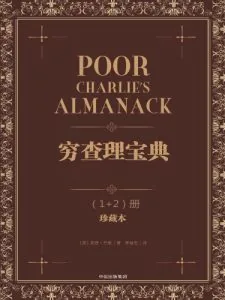
基本信息与出版版本
| 书名 | 穷查理宝典 |
|---|---|
| 作者 | 查理·芒格 |
| 类别 | 商业思维 / 投资哲学 / 心理学 / 传记 |
| 出版社 | 上海人民出版社 |
| ISBN | 9787208104525 |
| 电子书格式 | PDF / ePub / mobi / azw3 |
不同版本的出版社、译者、封面和排版可能存在差异;页数如果来源不足,本页不强行补写。实际电子书版本请以下载后的文件内容为准。
这本书主要讲什么
《穷查理宝典》是巴菲特的黄金搭档——查理·芒格毕生智慧的结晶。如果你想找一本能读一辈子、并且每次读都有新发现的书,那就是它。这本书收录了芒格过去20年来的主要公开演讲和语录,虽然书很厚、很重,但它包含的价值足以重塑你的大脑。
中文书评
《穷查理宝典》不是一本简单讲投资技巧的商业书,而是一部围绕查理·芒格个人经历、思考方式和人生原则展开的智慧合集。它的价值不在于告诉读者某一年应该买什么股票,也不在于提供一套快速成功的方法,而是在于展示一个长期主义者如何学习、判断和面对复杂世界。作为巴菲特长期合作伙伴,芒格在投资领域之外留下的影响,同样来自他对人性、决策和认知方式的持续探索。 这本书的背景非常特别,它并不是传统意义上的完整自传,而是由芒格多年来的公开演讲、访谈、观点整理而成,其中包含关于生活、投资、商业判断以及心理偏差的内容。书中收录的许多重要演讲,例如关于普世智慧、多元思维模型、人类误判心理学的讨论,呈现了芒格如何从多个学科吸收知识,并将这些知识用于现实决策。
读者能看到一个投资家背后的知识结构,而不是只看到投资结果。 作品最核心的主题,是如何建立更可靠的思考系统。芒格反复强调,多元思维模型的重要性。他认为,一个人如果只用单一专业知识观察世界,很容易陷入局限。例如,投资问题不仅涉及财务数据,也涉及心理学、经济学、历史、概率和组织行为。如果不了解人的贪婪、恐惧、从众心理,就很难理解市场为什么会出现非理性的波动。书中关于“人类误判心理学”的部分尤其有代表性,它分析了确认偏误、激励机制、社会认同等因素如何影响人的判断。这些内容并不局限于投资,也适用于管理、职业选择和日常生活。
书中的人物核心当然是查理·芒格本人。他并不是传统意义上追求财富最大化的商业英雄形象,而更像一位强调纪律和理性的思想实践者。芒格与沃伦·巴菲特长期合作,在伯克希尔·哈撒韦的发展过程中,两人形成了互补关系。巴菲特擅长寻找优秀企业,而芒格推动巴菲特进一步重视企业质量、管理能力和长期竞争优势。书中也呈现了芒格对于错误决策的警惕,例如他反对复杂化、反对过度交易,也反复提醒投资者避免被情绪控制。
这本书最大的优点,是它提供了一套可以反复使用的思考框架。很多商业书籍关注具体案例,但随着时代变化容易失效,而芒格讨论的问题更多集中在人类长期存在的弱点,例如冲动、懒惰、自负和错误激励。因此,即使读者并不从事投资行业,也能从中获得启发。另一个优点是内容跨度很大,从商业案例到历史人物,从心理学实验到个人习惯,形成了一种跨学科的阅读体验。
不过,这本书也存在明显不足。首先,它的结构不像普通商业读物那样紧凑,因为大量内容来自演讲整理,部分观点会重复出现。其次,芒格的表达方式偏向经验总结,对于缺少商业背景的读者来说,一些投资案例和决策逻辑需要结合实际经历才能完全理解。另外,书中的思想非常强调长期积累,并不能提供短期可复制的成功路径,这可能会让期待快速提升投资收益的读者感到失望。 《穷查理宝典》更适合希望提升思考能力的人阅读,包括投资者、创业者、管理者、学生,以及任何需要做复杂决策的人。它尤其适合那些已经接触过一些商业知识,希望进一步理解“为什么这样判断”的读者。如果只是想寻找股票买卖技巧,这本书可能并不是最佳选择;但如果希望建立更稳定的认知方式,它值得长期阅读。
总体来看,《穷查理宝典》的意义并不只是记录一位投资家的经验,而是展现一个人如何通过学习、反思和自我约束,逐渐形成更高质量的判断能力。它并不能替代实践,也不会让读者一夜之间成为优秀投资者,但其中关于理性、学习、人性和决策的思考,具有长期阅读价值。对于愿意慢慢消化其中观点的人来说,这确实是一部可以反复翻阅的作品。
English Review
Poor Charlie’s Almanack is not simply a book about investing techniques. It is a portrait of Charlie Munger’s way of thinking, learning, and making decisions over a lifetime. The book’s greatest value is not a collection of stock-picking formulas, but an exploration of how a highly disciplined thinker approached uncertainty, human behavior, and complex problems. Munger, best known as Warren Buffett’s longtime business partner, presents a philosophy built around rationality, continuous learning, and avoiding predictable mistakes.
The book collects his speeches, ideas, and reflections, creating a broad picture of his intellectual framework. The background of the book is important because it is not written like a traditional investment manual or a conventional biography. Instead, it gathers Munger’s public speeches, interviews, and discussions from different stages of his career. The collection includes his thoughts on investment management, business judgment, psychology, education, and personal development. Several major sections focus on ideas such as multidisciplinary thinking, practical wisdom, and the psychology of human misjudgment.
These themes show how Munger combined knowledge from different fields rather than relying only on financial analysis. The central theme of the book is the construction of a better decision-making system. Munger argues that people often make poor choices because they view problems through a narrow lens. His famous idea of using multiple mental models encourages readers to study different disciplines, including economics, psychology, history, mathematics, and biology, because real-world problems rarely belong to one category.
For example, understanding an investment decision requires more than looking at financial statements. It also requires understanding incentives, emotions, social pressure, and the behavior of organizations. One of the strongest sections of the book examines human misjudgment. Munger discusses psychological tendencies such as confirmation bias, excessive confidence, incentive-driven mistakes, and the influence of social proof. These examples are not limited to investors. They explain why managers make poor decisions, why individuals repeat mistakes, and why groups can sometimes follow irrational ideas.
The book’s psychological analysis remains one of its most valuable contributions because it focuses on weaknesses that appear repeatedly in human behavior. The central figure of the book is Charlie Munger himself. He is presented not as a typical financial celebrity, but as a lifelong student who built his success through discipline and intellectual curiosity. His relationship with Warren Buffett is one of the most interesting parts of the work. Buffett was already known for his investment ability, but Munger encouraged a broader view of business quality, competitive advantages, and long-term value.
Their partnership became an example of how different perspectives can improve decision-making. The major strength of Poor Charlie’s Almanack is its depth and durability. Many business books become outdated because they depend heavily on specific market conditions or temporary trends. Munger’s ideas are different because they focus on permanent human challenges: emotional decisions, poor incentives, lack of knowledge, and failure to think independently. The book also succeeds because it connects business with everyday life. Lessons about patience, preparation, and intellectual honesty apply far beyond investing.
However, the book has several weaknesses. Its structure can feel uneven because it is a collection of speeches and writings rather than a carefully organized textbook. Some ideas appear repeatedly, and readers unfamiliar with investing or business history may find certain examples difficult to follow. In addition, Munger’s philosophy requires patience. The book does not provide a quick strategy for becoming wealthy, and readers looking for immediate investment instructions may find it less practical.
This book is best suited for investors, entrepreneurs, managers, students, and anyone interested in improving their judgment. It is especially valuable for readers who want to understand the reasoning behind decisions rather than simply memorize techniques. Those seeking short-term market predictions or simple financial advice may not find it satisfying, but readers interested in developing a stronger mental framework will likely find lasting value. Overall, Poor Charlie’s Almanack is a thoughtful examination of wisdom, decision-making, and personal development.
Its importance comes from showing how a successful investor built his judgment through years of reading, reflection, and self-correction. The book does not promise instant success, but it offers a practical philosophy for thinking more clearly in an uncertain world. For readers willing to revisit its ideas over time, it remains a meaningful and enduring work.
我的阅读笔记
从现有资料看,它最值得关注的是:《穷查理宝典》是巴菲特的黄金搭档——查理·芒格毕生智慧的结晶。读《穷查理宝典》时,可以先抓住作者查理·芒格怎样设置背景、人物目标和主要冲突,再看这些部分如何导向主题。
第二个重点是如果你想找一本能读一辈子、并且每次读都有新发现的书,那就是它。如果它能继续推动人物选择、冲突升级和主题回响,这本书就更适合细读;如果只是信息并列,阅读价值会弱一些。
我觉得最值得看的地方
我觉得最值得看的地方,首先是它如何展开主题:《穷查理宝典》是巴菲特的黄金搭档——查理·芒格毕生智慧的结晶。其次是它是否能把问题讲清楚:如果你想找一本能读一辈子、并且每次读都有新发现的书,那就是它。这两点决定了它是只适合快速翻阅,还是值得花时间细读。
如果你关注商业思维 / 投资哲学 / 心理学 / 传记,可以读完一章后用一句话写下这一章的观点,再决定是否继续精读。这样读完后留下的不是零散印象,而是对人物、冲突和主题的清楚判断。
与同类书有什么区别
读《穷查理宝典》之前,先判断它属于商业思维 / 投资哲学 / 心理学 / 传记里的哪一种:是入门科普、方法书、教材,还是案例型读物。这个判断比只看格式更有用。
第一次读重点看什么
第一次读《穷查理宝典》,先看它在回答什么问题,再看作者怎么展开。可以先抓这两点:《穷查理宝典》是巴菲特的黄金搭档——查理·芒格毕生智慧的结晶;如果你想找一本能读一辈子、并且每次读都有新发现的书,那就是它。
- 《穷查理宝典》是巴菲特的黄金搭档——查理·芒格毕生智慧的结晶
- 如果你想找一本能读一辈子、并且每次读都有新发现的书,那就是它
- 这本书收录了芒格过去20年来的主要公开演讲和语录,虽然书很厚、很重,但它包含的价值足以重塑你的大脑
哪些人适合读,哪些人可能不适合
如果你正在找《穷查理宝典》电子版,可以先确认 PDF / ePub / mobi / azw3 这些格式是否够用。想判断内容值不值得读,就看它在商业思维 / 投资哲学 / 心理学 / 传记里解决的是哪类问题。
如果你需要的是完整纸质版校勘、特定译本差异或严格学术引用,请优先核对出版社、图书馆或 ISBN 书目系统;如果只是先找电子版阅读,则重点看格式、作者和版本字段是否符合自己的需求。
查理·芒格和这本书的关系
查理·芒格和《穷查理宝典》的关系,不只是“这本书的作者”这么简单。读这本书时,更值得看的是作者怎样处理商业思维 / 投资哲学 / 心理学 / 传记方向里的核心问题,以及这些观点为什么会被整理成一本书。
如果你想评估这本书值不值得读,不要只看作者名气。更实用的办法是看作者提出的问题、使用的材料,以及这些内容能不能形成稳定的主题推进。
常见问题
《穷查理宝典》主要讲什么?
《穷查理宝典》主要围绕“《穷查理宝典》是巴菲特的黄金搭档——查理·芒格毕生智慧的结晶”展开。这个入口决定了作品的背景、冲突和主题方向。 另一条重要线索是:如果你想找一本能读一辈子、并且每次读都有新发现的书,那就是它。
《穷查理宝典》适合什么人读?
它适合愿意围绕《穷查理宝典》的主题、人物关系和结构推进慢慢读下去的读者。如果只想要非常轻快、直接、低门槛的阅读体验,可能不一定合适。
读《穷查理宝典》最该关注哪一点?
读《穷查理宝典》时,建议先看它提出了什么问题,再看作者查理·芒格如何展开。真正决定阅读价值的,是人物选择、冲突发展和主题回响是否能互相支撑。
《穷查理宝典》电子书有哪些格式?
当前记录的格式为 PDF / ePub / mobi / azw3。实际可用文件、排版和版本信息,以页面底部资源模块和下载后的文件为准。
电子书格式与获取说明
当前页面记录《穷查理宝典》的电子书格式为 PDF / ePub / mobi / azw3。不同来源的电子书在排版、封面、译名和文件质量上可能会有差异,下载后请以实际文件信息为准。
