
《怦然心动的人生整理魔法》是近藤麻理惠的作品,当前资源标题记录的电子书格式为 PDF / ePub / mobi / azw3。这页先帮助读者确认书籍身份、内容主线和阅读预期,再核对实际文件状态。
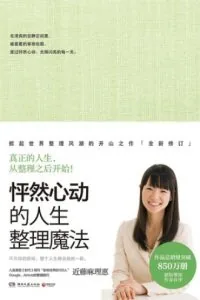
基本信息与出版版本
| 书名 | 怦然心动的人生整理魔法 |
|---|---|
| 作者 | 近藤麻理惠 |
| 类别 | 生活时尚 / 家居整理 / 心理励志 |
| 出版社 | 译林出版社 |
| ISBN | 9787544724779 |
| 电子书格式 | PDF / ePub / mobi / azw3 |
不同版本的出版社、译者、封面和排版可能存在差异;页数如果来源不足,本页不强行补写。实际电子书版本请以下载后的文件内容为准。
这本书主要讲什么
《怦然心动的人生整理魔法》不仅仅是一本教你如何做家务的工具书,更是一场关于“找回自我”的心理治疗。近藤麻理惠(KonMari)在书中提出了一个颠覆性的观点:整理不应该按“房间”进行,而应该按“物品类别”进行;
中文书评
《怦然心动的人生整理魔法》表面上是在讲整理房间,实际上讨论的是一个更深的问题:人应该如何重新认识自己与生活的关系。这本书最有价值的地方,不在于提供了多少收纳技巧,而在于近藤麻理惠把整理从一件重复性的家务,转变成一次关于选择、舍弃和确认自我价值的过程。它不是一本单纯教人把房间变整齐的工具书,而是一种通过整理物品重新整理人生秩序的方法。
作品作者近藤麻理惠长期研究整理方法,并以“心动整理法”形成了自己的整理理念。她提出,整理不应该按照客厅、卧室、厨房这样的空间顺序进行,而应该按照衣物、书籍、文件、小物品、纪念品等物品类别推进,把同类物品集中起来,再判断哪些东西真正值得留下。这个方法背后隐藏着一种生活哲学:人拥有的东西,其实也在反映人的过去、习惯和价值排序。
书中的核心主题,是通过物品与自己重新建立联系。近藤麻理惠并不是简单要求读者“扔掉东西”,她强调的是先想清楚自己理想中的生活状态,再决定什么物品能够帮助自己接近这种状态。例如,面对多年未读的书籍,人们常常因为“以后可能会读”而保留,但这些书也可能代表着过去某个阶段的期待,而不是现在真正想投入的兴趣。整理书籍的过程,本质上是在面对过去的自己,并决定未来想成为怎样的人。
作品中最具代表性的“人物”其实是普通生活中的整理者。书里描写了许多人因为房间混乱而感到压力,他们面对的不只是衣服堆积、物品过多的问题,更是对过去经历的不舍和对未来生活的不确定。近藤麻理惠作为整理顾问,她的角色并不像传统意义上的老师,而更像一个引导者。她通过具体案例告诉读者,一个人长期无法整理,并不一定是因为懒惰,而可能是不知道哪些东西真正重要。
本书对于衣物整理的分析尤其具有代表性。很多人会因为“还能穿”“买的时候很贵”“留着以后可能有用”而不断积累衣服,但最终衣柜里真正经常使用的只是少数几件。近藤麻理惠提出,让每件物品经过自己的判断,而不是被价格、回忆或所谓实用性牵着走。这种方法看似简单,却触及了现代消费生活中的一个矛盾:我们拥有越来越多东西,却不一定因此更加满足。 作品的优点非常明显。第一,它把一个普通家庭问题提升到了心理层面,让整理不再只是技巧问题。第二,书中的方法具有很强的操作性,例如集中处理同类物品、明确物品归属位置、减少无意义收纳等,都能够直接应用到日常生活中。第三,文字表达轻松,没有复杂理论,即使没有整理经验的读者也容易理解。
不过,这本书也存在一定局限。近藤麻理惠对于“心动感”的强调非常依赖个人感受,对于习惯理性分析、重视经济价值或家庭共同使用物品的人来说,部分建议可能显得过于理想化。例如,一个家庭中的物品并不完全属于个人,每个人对于保留和舍弃的标准也可能不同。另外,“一次性彻底整理”的方式需要较强的时间和执行力,并不是所有人都能立即做到。 《怦然心动的人生整理魔法》适合那些长期被杂物困扰、想改善居住环境,或者正在经历生活变化的人阅读。对于刚搬家、换工作、进入新阶段的人来说,这本书尤其容易产生共鸣,因为整理本身就是重新审视生活选择的过程。它也适合希望减少消费冲动、建立更简单生活方式的人。
总体来看,这本书真正改变的不是房间里的物品数量,而是人面对物品和生活的态度。近藤麻理惠通过整理这一件小事,让读者意识到生活质量并不完全取决于拥有多少,而取决于是否清楚什么值得留下。《怦然心动的人生整理魔法》并不是一本万能的人生指南,但它提供了一种简单而有力量的提醒:整理外在环境的同时,也是在整理自己的内心秩序。
English Review
The Life-Changing Magic of Tidying Up is not simply a manual about cleaning a home. Its deeper subject is the relationship between people and the things they choose to keep around them. Marie Kondo transforms tidying from a repetitive household task into a personal process of decision-making, self-reflection, and rebuilding a sense of control over everyday life. The book’s strongest idea is that organizing a living space can become a way to understand what truly matters to us.
Written by Japanese organizing consultant Marie Kondo, the book introduces her famous KonMari method, which is based on keeping items that create a feeling of joy or emotional connection. Instead of organizing room by room, Kondo suggests organizing by category, beginning with clothing, then moving to books, documents, miscellaneous items, and sentimental belongings. This structure is important because it encourages readers to confront the full amount of each type of possession and make deliberate choices rather than simply moving clutter from one place to another.
The central theme of the book is not minimalism in the strict sense, but intentional living. Kondo argues that the purpose of tidying is not to throw away as many things as possible. The real goal is to identify the objects that support the life a person wants to create. A person’s closet, bookshelf, and storage spaces often contain traces of past decisions: clothes bought for an imagined future self, books purchased but never opened, gifts kept out of obligation, or memories preserved because letting go feels difficult.
Through the act of sorting these possessions, the reader is encouraged to examine personal habits and priorities. The most memorable figure in the book is Marie Kondo herself. She appears not as a strict instructor who forces people to live according to one rule, but as a guide who helps individuals understand their own preferences. Her approach comes from years of studying organization and working with clients who struggle with clutter. Instead of simply telling people to become more disciplined, she focuses on helping them recognize why they hold onto unnecessary possessions.
The emotional conflicts described in the book are very familiar: people struggle between attachment to the past and the desire to move forward, between fear of waste and the need for a clearer living environment. One of the book’s most effective sections deals with clothing. Many people keep clothes because they were expensive, because they may be useful someday, or because they represent a previous version of themselves. Kondo challenges this habit by asking readers to evaluate each item directly. This idea extends beyond clothing and applies to books, documents, and personal belongings.
The book suggests that objects should not control people’s lives; instead, possessions should support the way people actually want to live. The major strength of The Life-Changing Magic of Tidying Up is its combination of practical advice and psychological insight. The methods are concrete: gather similar items together, decide what remains, and assign every object a proper place. At the same time, the book explores emotional issues behind clutter, such as attachment, insecurity, and difficulty making decisions.
Its writing style is accessible, making the ideas easy to understand even for readers who have never considered organization a serious personal issue. However, the book also has limitations. Kondo’s emphasis on emotional connection may not work equally well for everyone. Some readers may prefer a more practical approach based on efficiency, financial value, or household needs rather than personal feelings. In addition, the recommendation to complete a major tidying process in a concentrated period requires significant time and motivation.
Families may also find the method challenging because different members often have different standards for what should be kept or discarded. This book is especially suitable for readers who feel overwhelmed by accumulated possessions, people preparing for a major life transition, and anyone interested in creating a calmer home environment. It may also appeal to those who want to reconsider their relationship with consumption and focus more on meaningful ownership rather than simply acquiring more things.
Overall, The Life-Changing Magic of Tidying Up succeeds because it uses a simple everyday activity to explore a much larger question: how should people design the lives they want to live? The book does not promise that organizing a room will solve every personal problem, but it offers a practical starting point for change. By choosing carefully what remains in our surroundings, Kondo suggests that we can also become clearer about our values, priorities, and future direction.
我的阅读笔记
从现有资料看,它最值得关注的是:《怦然心动的人生整理魔法》不仅仅是一本教你如何做家务的工具书,更是一场关于“找回自我”的心理治疗。读《怦然心动的人生整理魔法》时,可以先抓住作者近藤麻理惠怎样设置背景、人物目标和主要冲突,再看这些部分如何导向主题。
第二个重点是近藤麻理惠(KonMari)在书中提出了一个颠覆性的观点:整理不应该按“房间”进行,而应该按“物品类别”进行。如果它能继续推动人物选择、冲突升级和主题回响,这本书就更适合细读;如果只是信息并列,阅读价值会弱一些。
我觉得最值得看的地方
我觉得最值得看的地方,首先是它如何展开主题:《怦然心动的人生整理魔法》不仅仅是一本教你如何做家务的工具书,更是一场关于“找回自我”的心理治疗。其次是它是否能把问题讲清楚:近藤麻理惠(KonMari)在书中提出了一个颠覆性的观点:整理不应该按“房间”进行,而应该按“物品类别”进行。这两点决定了它是只适合快速翻阅,还是值得花时间细读。
如果你关注生活时尚 / 家居整理 / 心理励志,可以读完一章后用一句话写下这一章的观点,再决定是否继续精读。这样读完后留下的不是零散印象,而是对人物、冲突和主题的清楚判断。
与同类书有什么区别
读《怦然心动的人生整理魔法》之前,先判断它属于生活时尚 / 家居整理 / 心理励志里的哪一种:是入门科普、方法书、教材,还是案例型读物。这个判断比只看格式更有用。
第一次读重点看什么
第一次读《怦然心动的人生整理魔法》,先看它在回答什么问题,再看作者怎么展开。可以先抓这两点:《怦然心动的人生整理魔法》不仅仅是一本教你如何做家务的工具书,更是一场关于“找回自我”的心理治疗;近藤麻理惠(KonMari)在书中提出了一个颠覆性的观点:整理不应该按“房间”进行,而应该按“物品类别”进行。
- 《怦然心动的人生整理魔法》不仅仅是一本教你如何做家务的工具书,更是一场关于“找回自我”的心理治疗
- 近藤麻理惠(KonMari)在书中提出了一个颠覆性的观点:整理不应该按“房间”进行,而应该按“物品类别”进行
哪些人适合读,哪些人可能不适合
如果你正在找《怦然心动的人生整理魔法》电子版,可以先确认 PDF / ePub / mobi / azw3 这些格式是否够用。想判断内容值不值得读,就看它在生活时尚 / 家居整理 / 心理励志里解决的是哪类问题。
如果你需要的是完整纸质版校勘、特定译本差异或严格学术引用,请优先核对出版社、图书馆或 ISBN 书目系统;如果只是先找电子版阅读,则重点看格式、作者和版本字段是否符合自己的需求。
近藤麻理惠和这本书的关系
近藤麻理惠和《怦然心动的人生整理魔法》的关系,不只是“这本书的作者”这么简单。读这本书时,更值得看的是作者怎样处理生活时尚 / 家居整理 / 心理励志方向里的核心问题,以及这些观点为什么会被整理成一本书。
如果你想评估这本书值不值得读,不要只看作者名气。更实用的办法是看作者提出的问题、使用的材料,以及这些内容能不能形成稳定的主题推进。
常见问题
《怦然心动的人生整理魔法》主要讲什么?
《怦然心动的人生整理魔法》主要围绕“《怦然心动的人生整理魔法》不仅仅是一本教你如何做家务的工具书,更是一场关于“找回自我”的心理治疗”展开。这个入口决定了作品的背景、冲突和主题方向。 另一条重要线索是:近藤麻理惠(KonMari)在书中提出了一个颠覆性的观点:整理不应该按“房间”进行,而应该按“物品类别”进行。
《怦然心动的人生整理魔法》适合什么人读?
它适合愿意围绕《怦然心动的人生整理魔法》的主题、人物关系和结构推进慢慢读下去的读者。如果只想要非常轻快、直接、低门槛的阅读体验,可能不一定合适。
读《怦然心动的人生整理魔法》最该关注哪一点?
读《怦然心动的人生整理魔法》时,建议先看它提出了什么问题,再看作者近藤麻理惠如何展开。真正决定阅读价值的,是人物选择、冲突发展和主题回响是否能互相支撑。
《怦然心动的人生整理魔法》电子书有哪些格式?
当前记录的格式为 PDF / ePub / mobi / azw3。实际可用文件、排版和版本信息,以页面底部资源模块和下载后的文件为准。
电子书格式与获取说明
当前页面记录《怦然心动的人生整理魔法》的电子书格式为 PDF / ePub / mobi / azw3。不同来源的电子书在排版、封面、译名和文件质量上可能会有差异,下载后请以实际文件信息为准。
