
《冥想》是斯瓦米·拉玛的作品,当前资源标题记录的电子书格式为 PDF / ePub / mobi / azw3。这页先帮助读者确认书籍身份、内容主线和阅读预期,再核对实际文件状态。
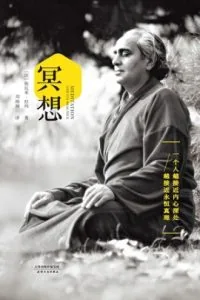
基本信息与出版版本
| 书名 | 冥想 |
|---|---|
| 作者 | 斯瓦米·拉玛 |
| 类别 | 身心健康 / 瑜伽哲学 / 冥想指南 |
| 出版社 | 深圳报业集团出版社 / 海南出版社 |
| ISBN | 9787807092928 |
| 电子书格式 | PDF / ePub / mobi / azw3 |
不同版本的出版社、译者、封面和排版可能存在差异;页数如果来源不足,本页不强行补写。实际电子书版本请以下载后的文件内容为准。
这本书主要讲什么
《冥想》(Meditation and Its Practice)是被誉为“身心科学先驱”的斯瓦米·拉玛最实用、最系统的入门经典。
中文书评
《冥想》是一本更接近实践手册而不是单纯心灵读物的作品。斯瓦米·拉玛没有把冥想描述成逃避现实的方法,也没有把它包装成快速改变人生的技巧,而是试图带领读者理解意识、情绪和内在观察之间的关系。对于刚接触冥想的人来说,这本书最大的价值在于,它把一个容易被神秘化的话题重新拉回到日常练习之中。斯瓦米·拉玛长期研究瑜伽传统,并尝试将东方修行经验与现代人的生活方式结合,使这本《冥想》成为一本偏向入门和系统训练的指南。
作品的背景建立在印度瑜伽哲学和长期修行传统之上。斯瓦米·拉玛希望解决的问题,并不是简单的“如何放松”,而是人为什么容易被自己的念头、情绪和习惯牵引。书中反复强调,冥想并不是不断思考问题,也不是刻意压制思想,而是一种训练觉知的方法。作者通过对身体、呼吸、心念以及意识层面的逐步说明,让读者看到冥想背后的逻辑:先认识自己的状态,再学会观察自己的反应,最终建立更稳定的内在秩序。书中涉及的内容包括冥想基础、准备方式、姿势、呼吸练习、心念训练以及进一步的实践安排,结构上具有较强的教学性质。
本书最核心的主题,是人与自身内在世界的关系。斯瓦米·拉玛认为,现代人的痛苦很多时候并非完全来自外部环境,而是来自无法理解和管理自己的意识活动。比如,一个人在面对压力时,可能会不断重复过去的担忧,对未来产生焦虑,甚至被情绪推动做出冲动决定。冥想训练提供了一种新的观察方式:不是立即跟随念头行动,而是先看到念头如何产生、变化和消失。这种理念贯穿全书,也构成作品最重要的思想价值。
在人物分析方面,本书虽然不是小说,没有传统意义上的主人公,但作者斯瓦米·拉玛本人实际上承担了引导者的角色。他并不是站在抽象理论的位置谈论冥想,而是以多年修行经验为基础,解释练习者可能遇到的具体困难。例如,初学者常常会发现自己无法集中注意力,坐下后反而出现更多杂乱想法;一些人期待冥想立即带来平静,却忽略了持续训练的重要性。作者针对这些情况提出循序渐进的方法,强调规律练习比短时间追求特殊体验更加重要。
《冥想》的优点在于实践性较强。相比一些只讨论哲学概念的作品,它更关注“如何开始练习”和“练习过程中会发生什么”。书中的呼吸训练、专注方法以及对心理状态的解释,对于希望建立稳定习惯的人比较有帮助。另外,作者语言虽然来自传统瑜伽体系,但并没有完全停留在宗教表达层面,而是尝试让普通读者理解意识训练的过程。 不足之处也比较明显。由于作品根植于印度瑜伽哲学,其中部分关于意识、本我以及精神成长的观点带有明显的传统思想背景,对于完全不了解相关文化的读者来说,可能需要额外理解。有些章节对于现代读者而言节奏较慢,重复强调某些理念,阅读时需要结合自身经验消化,而不能期待像心理学工具书一样直接给出问题解决方案。
这本书适合希望系统了解冥想基础、想培养长期练习习惯的人阅读,也适合对瑜伽哲学、内在成长、自我觉察感兴趣的读者。它并不适合只想寻找快速减压技巧的人,因为书中真正关注的是长期训练带来的意识变化,而不是短暂的情绪调整。 总体来看,《冥想》是一部具有传统根基又强调实践路径的作品。它的价值不在于提供某种神奇方法,而在于帮助读者重新认识自己的注意力、情绪和思维模式。对于愿意投入时间练习的人来说,这本书可以成为进入冥想世界的一张地图;对于只希望快速获得结果的人来说,它可能显得缓慢,但这也是它坚持的一部分。
English Review
Meditation and Its Practice by Swami Rama is a practical and structured introduction to meditation rather than a simple inspirational book. Its greatest strength is that it does not present meditation as an escape from daily life or as a shortcut to instant happiness. Instead, Swami Rama explains meditation as a disciplined process of understanding the mind, observing consciousness, and developing a more balanced relationship with one’s inner world. The book is widely regarded as one of his most accessible works for beginners who want to understand the foundations of meditation practice.
The background of the book comes from the traditional Himalayan yoga lineage and Swami Rama’s attempt to connect classical meditation teachings with the needs of modern readers. Rather than focusing only on spiritual ideas, the author explains meditation through practical stages, including preparation, posture, breathing, concentration, and deeper awareness. The structure reflects the perspective of a teacher guiding a student step by step, beginning with basic understanding and gradually moving toward more advanced practice.
The central theme of the book is the relationship between human beings and their own minds. Swami Rama argues that many difficulties in life are intensified by uncontrolled thoughts, emotional reactions, and unconscious habits. For example, a person facing stress may repeatedly replay past mistakes, worry about future events, or react automatically to uncomfortable situations. Meditation, according to the author, is a method of creating space between awareness and reaction.
Instead of immediately following every thought or emotion, practitioners learn to observe mental activity with greater clarity. Although this is not a novel, Swami Rama himself becomes the central figure of the work. His role is that of a teacher who guides readers through the challenges of meditation. He addresses common experiences among beginners, such as difficulty concentrating, frustration with wandering thoughts, and unrealistic expectations of immediate transformation. Rather than promising effortless results, he emphasizes patience, consistency, and gradual development.
The teacher-student relationship presented in the book gives the work a personal quality and makes the instructions feel grounded in experience rather than abstract theory. One of the book’s strongest qualities is its practical approach. Many books about meditation remain focused on philosophy, but Swami Rama spends considerable attention on actual methods and the process of training attention. His explanations of breathing exercises, mental focus, and awareness provide readers with a clear foundation for beginning a meditation routine.
Another strength is that the author attempts to explain traditional concepts in a way that can be understood by ordinary readers instead of limiting the discussion to specialists. However, the book also has limitations. Because it is deeply influenced by Indian yoga philosophy, some ideas about consciousness, inner self, and spiritual development may feel unfamiliar to readers who approach meditation from a purely psychological or scientific perspective. Certain sections may also appear repetitive, especially for readers already experienced in meditation.
The book requires patience and reflection; it is not designed as a quick guide for immediate stress relief. This work is best suited for beginners who want a systematic introduction to meditation, readers interested in yoga philosophy, and anyone seeking a long-term practice of self-observation. It may be less suitable for those looking only for short relaxation exercises or simple productivity techniques, because its focus is broader and more philosophical.
Overall, Meditation and Its Practice remains a thoughtful and influential guide to understanding meditation as both a practice and a way of relating to oneself. Its lasting value comes from its emphasis on awareness, discipline, and gradual inner development. The book does not promise instant change; instead, it offers a framework for readers willing to explore their own minds through consistent practice.
我的阅读笔记
从现有资料看,它最值得关注的是:《冥想》(Meditation and Its Practice)是被誉为“身心科学先驱”的斯瓦米·拉玛最实用、最系统的入门经典。读《冥想》时,可以先抓住作者斯瓦米·拉玛怎样设置背景、人物目标和主要冲突,再看这些部分如何导向主题。
第二个重点是目录、前言和章节安排。如果它能继续推动人物选择、冲突升级和主题回响,这本书就更适合细读;如果只是信息并列,阅读价值会弱一些。
我觉得最值得看的地方
我觉得最值得看的地方,是它围绕“《冥想》(Meditation and Its Practice)是被誉为“身心科学先驱”的斯瓦米·拉玛最实用、最系统的入门经典”展开的部分。这一点能帮助读者进入作品真正的矛盾,而不是只停在题材表面。
如果你关注身心健康 / 瑜伽哲学 / 冥想指南,可以读完一章后用一句话写下这一章的观点,再决定是否继续精读。这样读完后留下的不是零散印象,而是对人物、冲突和主题的清楚判断。
与同类书有什么区别
读《冥想》之前,先判断它属于身心健康 / 瑜伽哲学 / 冥想指南里的哪一种:是入门科普、方法书、教材,还是案例型读物。这个判断比只看格式更有用。
第一次读重点看什么
第一次读《冥想》,先看它在回答什么问题,再看作者怎么展开。可以先抓这两点:《冥想》(Meditation and Its Practice)是被誉为“身心科学先驱”的斯瓦米·拉玛最实用、最系统的入门经典;再结合目录判断自己要不要细读。
- 《冥想》(Meditation and Its Practice)是被誉为“身心科学先驱”的斯瓦米·拉玛最实用、最系统的入门经典
哪些人适合读,哪些人可能不适合
如果你正在找《冥想》电子版,可以先确认 PDF / ePub / mobi / azw3 这些格式是否够用。想判断内容值不值得读,就看它在身心健康 / 瑜伽哲学 / 冥想指南里解决的是哪类问题。
如果你需要的是完整纸质版校勘、特定译本差异或严格学术引用,请优先核对出版社、图书馆或 ISBN 书目系统;如果只是先找电子版阅读,则重点看格式、作者和版本字段是否符合自己的需求。
斯瓦米·拉玛和这本书的关系
斯瓦米·拉玛和《冥想》的关系,不只是“这本书的作者”这么简单。读这本书时,更值得看的是作者怎样处理身心健康 / 瑜伽哲学 / 冥想指南方向里的核心问题,以及这些观点为什么会被整理成一本书。
如果你想评估这本书值不值得读,不要只看作者名气。更实用的办法是看作者提出的问题、使用的材料,以及这些内容能不能形成稳定的主题推进。
常见问题
《冥想》主要讲什么?
《冥想》主要围绕“《冥想》(Meditation and Its Practice)是被誉为“身心科学先驱”的斯瓦米·拉玛最实用、最系统的入门经典”展开。这个入口决定了作品的背景、冲突和主题方向。
《冥想》适合什么人读?
它适合愿意围绕《冥想》的主题、人物关系和结构推进慢慢读下去的读者。如果只想要非常轻快、直接、低门槛的阅读体验,可能不一定合适。
读《冥想》最该关注哪一点?
读《冥想》时,建议先看它提出了什么问题,再看作者斯瓦米·拉玛如何展开。真正决定阅读价值的,是人物选择、冲突发展和主题回响是否能互相支撑。
《冥想》电子书有哪些格式?
当前记录的格式为 PDF / ePub / mobi / azw3。实际可用文件、排版和版本信息,以页面底部资源模块和下载后的文件为准。
电子书格式与获取说明
当前页面记录《冥想》的电子书格式为 PDF / ePub / mobi / azw3。不同来源的电子书在排版、封面、译名和文件质量上可能会有差异,下载后请以实际文件信息为准。
