
《高效能人士的七个习惯》是史蒂芬·柯维的作品,当前资源标题记录的电子书格式为 PDF / ePub / mobi / azw3。这页先帮助读者确认书籍身份、内容主线和阅读预期,再核对实际文件状态。
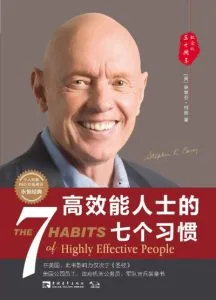
基本信息与出版版本
| 书名 | 高效能人士的七个习惯 |
|---|---|
| 作者 | 史蒂芬·柯维 |
| 类别 | 自我管理 / 商业经典 / 心理励志 |
| 出版社 | 中国青年出版社 |
| ISBN | 9787500699042 |
| 电子书格式 | PDF / ePub / mobi / azw3 |
不同版本的出版社、译者、封面和排版可能存在差异;页数如果来源不足,本页不强行补写。实际电子书版本请以下载后的文件内容为准。
这本书主要讲什么
《高效能人士的七个习惯》不仅仅是一本商业管理书,更是一本“个人成长的圣经”。史蒂芬·柯维在书中提出了一个颠覆性的观点:真正的成功不是靠“个性魅力”(如话术、技巧),而是靠“品格”(如诚信、正直)。
中文书评
《高效能人士的七个习惯》是一部真正影响个人成长和管理思想的经典作品,它最有价值的地方并不是教人掌握几个提高效率的小技巧,而是要求读者重新审视自己面对工作、家庭和人生选择时的思维方式。史蒂芬·柯维没有把成功归结为外在表现、沟通技巧或短期方法,而是提出成功建立在稳定的品格、原则和习惯之上。这种“由内而外”的成长理念,也是本书能够持续被不同领域读者阅读的重要原因。
本书出版于20世纪末,是史蒂芬·柯维长期研究领导力、个人发展和组织管理后的代表作。与许多强调时间管理、目标设定的管理书不同,《高效能人士的七个习惯》关注的是一个更底层的问题:一个人为什么会做出某种选择,以及什么样的价值体系能够支撑长期有效的人生。柯维将人的成长过程分为从依赖到独立,再到互赖的阶段,通过七个习惯构建了一套完整的个人效能体系。
知乎专栏 全书最核心的主题是“原则驱动的人生”。柯维认为,真正持久的成功不是依靠包装出来的个人魅力,而是建立在诚信、责任感和明确价值观上的品格力量。书中的第一个习惯“积极主动”,强调人不是环境的被动接受者,而应该对自己的回应负责。例如,一个人在工作中遇到领导批评时,可以选择抱怨环境,也可以分析问题并主动改善,这种选择体现的是个人成长的起点。第二个习惯“以终为始”,通过想象人生终点、建立个人使命宣言等方式,让人思考自己真正想成为怎样的人。第三个习惯“要事第一”,则进一步讨论如何把时间投入到重要但不紧急的事情上,例如学习、健康维护和关系经营,而不是永远被临时事务牵着走。
在人际关系部分,本书对职场沟通和家庭关系的分析同样具有现实意义。柯维提出“双赢思维”,反对把合作看成简单的竞争关系;他提出“情感账户”的概念,用银行账户来比喻人与人之间的信任积累。一个长期守信、尊重他人的人,就像不断向关系账户中存款,在出现分歧时更容易获得理解。书中“知彼解己”这一习惯尤其值得关注,它要求人先真正理解对方,再表达自己的观点。很多现实中的冲突,并不是因为双方没有观点,而是因为双方都急于证明自己正确,却没有认真听懂对方。
本书虽然不是小说,没有传统意义上的主人公和剧情冲突,但柯维在书中通过大量工作场景、家庭关系案例和个人经历展现了不同类型的人物形象。例如,那些只关注外部压力、习惯把责任推给环境的人,与能够主动调整行为、持续建设自身能力的人形成鲜明对比。书中关于一位父亲在公共场合面对孩子吵闹的案例尤其体现了“改变看法,再改变行为”的主题:当他了解到孩子刚刚失去母亲后,原本的愤怒转变为理解。这类案例说明,人的反应往往取决于自己的认知方式,而不是单纯取决于外部事件。
《高效能人士的七个习惯》的优点在于体系完整,而且很多观点经过多年实践仍然具有参考价值。“影响圈与关注圈”“重要与紧急的时间管理”“移情式倾听”等概念,已经成为管理培训和个人成长领域常被讨论的方法。它最大的贡献,是让读者意识到效率问题背后往往隐藏着价值排序和行为习惯的问题。
不过,本书也存在一定不足。首先,它的篇幅较长,部分观点会反复展开,对于已经接触过管理学或个人成长类书籍的读者来说,阅读过程中可能感觉节奏偏慢。其次,柯维大量依靠个人观察、案例和哲学思考来论证观点,而不是通过严格的实验研究展开,因此部分内容更接近人生经验总结,而非科学理论。另外,书中的价值观表达较为明确,对于认同个人责任、长期主义理念的读者更容易产生共鸣,但对于希望快速获得工具方法的人来说,可能会觉得理论比技巧更多。
这本书适合希望改善自我管理能力、提升沟通能力、重新规划人生方向的人阅读。尤其适合职场新人、管理者、创业者以及希望解决时间分配、人际关系和目标迷茫问题的读者。如果只是想寻找几个提高效率的小方法,这本书可能不是最快的选择;但如果愿意花时间反思自己的行为模式,它提供的思考框架会比单纯的技巧更加长久。 总体来看,《高效能人士的七个习惯》并不是一本简单的效率指南,而是一套关于如何成为更成熟、更可靠的人的成长方法。它提醒读者,真正的高效并不只是完成更多任务,而是在正确的价值基础上做出更好的选择。经过多年发展,这本书依然具有影响力,原因就在于它讨论的并不是某个时代的管理工具,而是人与自己、人与他人相处时始终存在的问题。
English Review
The 7 Habits of Highly Effective People is a classic work that goes far beyond ordinary productivity advice. Its greatest strength is that Stephen R. Covey does not focus on quick techniques, time-saving tricks, or superficial methods of appearing successful. Instead, he argues that lasting effectiveness comes from character, principles, and consistent personal habits. The book challenges readers to look beneath their daily actions and examine the values that shape their decisions. Covey’s central idea is that real success is built from the inside out, beginning with personal integrity rather than external image.
First published in 1989, the book became one of the most influential works in personal development and leadership literature. Covey created a framework based on seven habits that guide people from dependence to independence and finally to effective cooperation with others. Unlike many management books that focus mainly on efficiency tools, this work explores deeper questions: How do people think? Why do they make certain choices? What principles can help them create a meaningful and balanced life? The main theme of the book is that personal effectiveness begins with character rather than personality techniques.
Covey criticizes the idea that success can be achieved only through communication skills, persuasion, or personal charm. He believes that trust and achievement must be supported by qualities such as honesty, responsibility, and consistency. The first three habits focus on private victory. “Be Proactive” teaches people to take responsibility for their responses instead of blaming circumstances. For example, when an employee receives criticism from a manager, the proactive response is not to complain about unfair treatment but to evaluate the situation and decide how to improve.
“Begin with the End in Mind” encourages readers to define their values and long-term direction before taking action. “Put First Things First” teaches readers to prioritize important but non-urgent activities, such as learning, health, and relationship building, instead of allowing constant emergencies to control their lives. The second major theme involves relationships and cooperation. Covey’s ideas about “Think Win-Win” and “Seek First to Understand, Then to Be Understood” remain some of the most memorable parts of the book.
He explains that many conflicts happen because people try to defend their own positions before understanding others. The habit of empathetic listening asks readers to genuinely understand another person’s perspective before responding. This idea applies not only to workplaces but also to families, friendships, and leadership situations. Covey’s concept of the “emotional bank account” provides a practical way to understand trust: respect, honesty, and keeping promises create deposits, while selfish behavior and broken commitments create withdrawals.
Although the book does not contain fictional characters, it uses many real-life examples to illustrate different patterns of behavior. Covey contrasts people who constantly react to external pressure with those who consciously choose their responses. One memorable example describes a father whose children are disturbing other passengers in public. At first, the situation appears irresponsible and frustrating, but after learning that the children recently lost their mother, the observer’s anger changes into compassion.
This example demonstrates one of Covey’s important themes: changing the way we see a situation can transform the way we respond to it. One of the book’s greatest advantages is its comprehensive structure. The seven habits are not presented as isolated tips but as connected principles that develop over time. Concepts such as focusing on the circle of influence, managing priorities, building trust, and practicing empathetic communication have remained useful because they address common human challenges rather than temporary workplace trends.
The book encourages readers to become more intentional about their choices and relationships. However, the book also has limitations. Its greatest weakness is that it can feel lengthy and repetitive, especially for readers who are already familiar with personal development literature. Some arguments rely more on Covey’s observations, experiences, and philosophical reflections than on scientific research. In addition, the writing style is sometimes highly instructional, which may not appeal to readers who prefer a more practical or evidence-based approach.
Some people may find the emphasis on personal responsibility inspiring, while others may consider it too idealistic in situations where external factors strongly affect outcomes. This book is most suitable for readers who want long-term personal growth rather than immediate productivity hacks. It is especially valuable for professionals, managers, students, entrepreneurs, and anyone dealing with challenges involving priorities, communication, leadership, or life direction.
Readers who want only a short list of efficiency techniques may find it too philosophical, but those willing to reflect on their habits and values will likely find deeper benefits. Overall, The 7 Habits of Highly Effective People remains an important work because it treats effectiveness as a matter of character, judgment, and relationships rather than simply speed or output. Its lasting message is that meaningful success comes from aligning daily actions with deeper principles.
While not every idea will fit every reader or every situation, the book continues to offer a valuable framework for people seeking a more deliberate and responsible way of living.
我的阅读笔记
从现有资料看,它最值得关注的是:《高效能人士的七个习惯》不仅仅是一本商业管理书,更是一本“个人成长的圣经”。读《高效能人士的七个习惯》时,可以先抓住作者史蒂芬·柯维怎样设置背景、人物目标和主要冲突,再看这些部分如何导向主题。
第二个重点是史蒂芬·柯维在书中提出了一个颠覆性的观点:真正的成功不是靠“个性魅力”(如话术、技巧),而是靠“品格”(如诚信、正直)。如果它能继续推动人物选择、冲突升级和主题回响,这本书就更适合细读;如果只是信息并列,阅读价值会弱一些。
我觉得最值得看的地方
我觉得最值得看的地方,首先是它如何展开主题:《高效能人士的七个习惯》不仅仅是一本商业管理书,更是一本“个人成长的圣经”。其次是它是否能把问题讲清楚:史蒂芬·柯维在书中提出了一个颠覆性的观点:真正的成功不是靠“个性魅力”(如话术、技巧),而是靠“品格”(如诚信、正直)。这两点决定了它是只适合快速翻阅,还是值得花时间细读。
如果你关注自我管理 / 商业经典 / 心理励志,可以读完一章后用一句话写下这一章的观点,再决定是否继续精读。这样读完后留下的不是零散印象,而是对人物、冲突和主题的清楚判断。
与同类书有什么区别
读《高效能人士的七个习惯》之前,先判断它属于自我管理 / 商业经典 / 心理励志里的哪一种:是入门科普、方法书、教材,还是案例型读物。这个判断比只看格式更有用。
第一次读重点看什么
第一次读《高效能人士的七个习惯》,先看它在回答什么问题,再看作者怎么展开。可以先抓这两点:《高效能人士的七个习惯》不仅仅是一本商业管理书,更是一本“个人成长的圣经”;史蒂芬·柯维在书中提出了一个颠覆性的观点:真正的成功不是靠“个性魅力”(如话术、技巧),而是靠“品格”(如诚信、正直)。
- 《高效能人士的七个习惯》不仅仅是一本商业管理书,更是一本“个人成长的圣经”
- 史蒂芬·柯维在书中提出了一个颠覆性的观点:真正的成功不是靠“个性魅力”(如话术、技巧),而是靠“品格”(如诚信、正直)
哪些人适合读,哪些人可能不适合
如果你正在找《高效能人士的七个习惯》电子版,可以先确认 PDF / ePub / mobi / azw3 这些格式是否够用。想判断内容值不值得读,就看它在自我管理 / 商业经典 / 心理励志里解决的是哪类问题。
如果你需要的是完整纸质版校勘、特定译本差异或严格学术引用,请优先核对出版社、图书馆或 ISBN 书目系统;如果只是先找电子版阅读,则重点看格式、作者和版本字段是否符合自己的需求。
史蒂芬·柯维和这本书的关系
史蒂芬·柯维和《高效能人士的七个习惯》的关系,不只是“这本书的作者”这么简单。读这本书时,更值得看的是作者怎样处理自我管理 / 商业经典 / 心理励志方向里的核心问题,以及这些观点为什么会被整理成一本书。
如果你想评估这本书值不值得读,不要只看作者名气。更实用的办法是看作者提出的问题、使用的材料,以及这些内容能不能形成稳定的主题推进。
常见问题
《高效能人士的七个习惯》主要讲什么?
《高效能人士的七个习惯》主要围绕“《高效能人士的七个习惯》不仅仅是一本商业管理书,更是一本“个人成长的圣经””展开。这个入口决定了作品的背景、冲突和主题方向。 另一条重要线索是:史蒂芬·柯维在书中提出了一个颠覆性的观点:真正的成功不是靠“个性魅力”(如话术、技巧),而是靠“品格”(如诚信、正直)。
《高效能人士的七个习惯》适合什么人读?
它适合愿意围绕《高效能人士的七个习惯》的主题、人物关系和结构推进慢慢读下去的读者。如果只想要非常轻快、直接、低门槛的阅读体验,可能不一定合适。
读《高效能人士的七个习惯》最该关注哪一点?
读《高效能人士的七个习惯》时,建议先看它提出了什么问题,再看作者史蒂芬·柯维如何展开。真正决定阅读价值的,是人物选择、冲突发展和主题回响是否能互相支撑。
《高效能人士的七个习惯》电子书有哪些格式?
当前记录的格式为 PDF / ePub / mobi / azw3。实际可用文件、排版和版本信息,以页面底部资源模块和下载后的文件为准。
电子书格式与获取说明
当前页面记录《高效能人士的七个习惯》的电子书格式为 PDF / ePub / mobi / azw3。不同来源的电子书在排版、封面、译名和文件质量上可能会有差异,下载后请以实际文件信息为准。
