
《背德者》是安德烈·纪德的作品,当前资源标题记录的电子书格式为 PDF / ePub / mobi / azw3。这页先帮助读者确认书籍身份、内容主线和阅读预期,再核对实际文件状态。
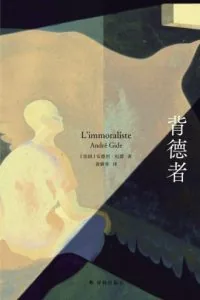
基本信息与出版版本
| 书名 | 背德者 |
|---|---|
| 作者 | 安德烈·纪德 |
| 类别 | 长篇小说 / 心理小说 / 自传体小说 |
| 出版社 | 上海译文出版社 / 人民文学出版社 |
| ISBN | 9787532766697 |
| 电子书格式 | PDF / ePub / mobi / azw3 |
不同版本的出版社、译者、封面和排版可能存在差异;页数如果来源不足,本页不强行补写。实际电子书版本请以下载后的文件内容为准。
这本书主要讲什么
《背德者》(L'Immoraliste)是法国二十世纪最伟大的作家之一、诺贝尔文学奖得主安德烈·纪德的代表作。小说以第一人称自述的形式,讲述了书卷气十足的学者米歇尔的故事。
中文书评
《背德者》是一部表面讲述个人觉醒,实际上不断追问“一个人追求真实自我时,是否有权牺牲他人”的心理小说。安德烈·纪德没有把主人公米歇尔写成简单的反叛者,也没有把他塑造成值得模仿的自由象征,而是通过他的自述,让读者看到一个人在摆脱旧有束缚时产生的复杂变化。小说最令人印象深刻的地方,不在于米歇尔获得了所谓的新生,而在于这种新生背后隐藏的孤独、冷漠和伤害。
Vinteuil +1 作品创作于二十世纪初,是纪德探索个人自由、道德观念和内心欲望的重要作品之一。小说采用第一人称回忆形式,由米歇尔向朋友讲述自己的经历。他原本是一位沉浸于古代文明研究的学者,生活在理性、知识和社会规范构成的世界里。他与玛塞琳结婚,最初的婚姻更多带有责任和安排的意味,而不是建立在真正了解彼此的基础上。随后,一场疾病改变了他的生命轨迹。康复过程让米歇尔重新感受到身体、自然和生命本身的力量,也让他开始怀疑过去信奉的价值体系。
Le Livre Resume +1 小说的核心主题,是个人真实性与社会责任之间的矛盾。米歇尔逐渐摆脱传统道德和家庭角色的约束,希望按照自己的感受生活。他在北非旅行期间,被当地的阳光、自然环境以及年轻生命的活力吸引,开始重新认识自己的欲望和存在方式。后来,他又受到梅纳尔克这类人物思想的影响,更加倾向于否定过去的自己。然而,纪德并没有简单赞美这种突破。米歇尔追求自由的过程中,逐渐忽视了身边人的感受,尤其是对妻子玛塞琳的责任。他认为自己是在寻找真实,却不断让他人的痛苦成为自己变化的代价。
Lumila +1 米歇尔是这部小说最复杂的部分。他不是传统意义上的恶人,他有敏锐的感受力,也有强烈的自我反省能力。但他的最大问题在于,他越来越习惯从自己的体验出发判断一切。当他重新发现生命的快乐时,他几乎忘记了玛塞琳曾经如何照顾他、陪伴他度过疾病阶段。米歇尔的变化既包含自我解放,也包含自我中心化。他让人看到,一个人如果只强调忠于自己,却拒绝承担关系中的责任,那么所谓自由也可能变成另一种束缚。
百科全书 玛塞琳虽然不像米歇尔那样拥有大量内心独白,却是作品中非常重要的人物。她代表着另一种生活方式:关怀、忍耐、忠诚以及对关系的投入。她并不是阻碍米歇尔寻找自我的工具,而是米歇尔选择自由时被忽略的人。纪德通过她的遭遇,使小说避免成为单纯的个人主义宣言。玛塞琳的存在不断提醒读者,自我发现并不意味着可以无视他人的存在。 《背德者》的优点在于心理描写极其细腻。纪德没有急于给人物下判断,而是让米歇尔亲自叙述自己的变化,使读者在理解他的同时保持怀疑。第一人称结构也增强了作品的不确定性,因为读者听到的是米歇尔自己的解释,而不是绝对客观的事实。小说语言克制,没有大量戏剧化情节,却能通过细微的心理变化制造强烈的思想冲击。
Vinteuil 不过,这部作品也存在一定阅读门槛。它不像情节小说那样依靠事件推动,很多篇幅集中在心理状态、思想转变和价值冲突上。如果读者期待明确的善恶判断,可能会感到压抑甚至不适。另外,米歇尔的自我分析有时显得过于沉溺于自身,使部分读者难以产生情感认同。但这种距离感其实也是纪德刻意制造的效果,它迫使读者思考,而不是简单站队。 《背德者》适合喜欢心理小说、现代主义文学以及关注人与自我关系的读者阅读。对于想了解纪德文学思想、研究个人自由与道德冲突的人来说,这部作品具有很高价值。它不是一本告诉读者如何生活的书,而是一面展示人性矛盾的镜子。
总体来看,《背德者》的力量来自它的不安感。纪德没有回答自由是否正确,也没有替米歇尔辩护或定罪,而是留下一个尖锐的问题:当一个人终于成为自己时,他是否仍然愿意承担作为他人的责任。正因为这种问题至今仍然存在,作品依然具有持续阅读的意义。 维基百科
English Review
The Immoralist by André Gide is a psychologically intense novel that examines the difficult boundary between personal freedom and moral responsibility. Rather than presenting a simple story of rebellion or self-discovery, Gide creates a deeply ambiguous portrait of Michel, a scholar who attempts to break away from social expectations and live according to his own desires. The novel’s lasting power comes from its refusal to provide an easy judgment: Michel’s transformation feels both liberating and disturbing at the same time.
Vinteuil +1 Published in 1902, The Immoralist is one of Gide’s most important works exploring individuality, identity, and the conflict between inner desire and social obligation. The novel is structured as Michel’s personal confession, as he recounts his experiences to three friends. At the beginning of the story, Michel is an intellectual devoted to studying ancient cultures. His life appears orderly, controlled, and shaped by academic achievement and social convention. His marriage to Marceline is entered into partly through duty rather than deep emotional understanding.
After Michel becomes seriously ill and later recovers, his entire perception of life changes. His illness becomes a turning point that awakens his awareness of his body, physical vitality, and previously suppressed desires. Le Livre Resume +1 The central theme of the novel is the tension between authenticity and responsibility. Michel believes that he must reject artificial values and discover his true self. His journey through North Africa exposes him to a different relationship with nature, physical existence, and personal freedom.
He becomes increasingly attracted to experiences that represent vitality and spontaneity, moving away from the intellectual identity he once accepted. However, Gide carefully avoids portraying this transformation as a simple victory. Michel’s search for authenticity gradually becomes self-centered, and his pursuit of personal freedom begins to harm the people closest to him, especially Marceline. Lumila +1 Michel is a fascinating but deeply flawed protagonist. He is intelligent, sensitive, and capable of recognizing his own inner changes, yet he becomes increasingly trapped by his own perspective.
His greatest weakness is that he measures truth almost entirely through personal experience. When he discovers a new sense of life and freedom, he struggles to acknowledge the emotional cost paid by others. His relationship with Marceline reveals the novel’s most painful question: can a person truly become themselves if that process requires ignoring another person’s suffering? Marceline is a quiet but essential figure in the novel. She represents devotion, care, and emotional commitment.
During Michel’s illness, she supports him with patience and loyalty, but after Michel’s transformation begins, she gradually becomes someone overlooked and abandoned. Gide does not portray her simply as a symbol of traditional morality; instead, she represents the human consequences of Michel’s choices. Her presence prevents the novel from becoming a celebration of individual desire alone. 百科全书 One of the greatest strengths of The Immoralist is Gide’s psychological precision. The novel does not rely on dramatic events but on subtle changes in thought, emotion, and perception.
The first-person narrative is especially effective because readers experience Michel’s reasoning directly while also questioning whether his interpretation of events is trustworthy. Gide allows Michel to explain himself without fully accepting his explanations, creating a complex and unsettling reading experience. Vinteuil The novel’s main limitation is also connected to its greatest strength. Readers who prefer fast-moving plots or clear moral conclusions may find the work slow and emotionally distant.
Michel’s constant self-examination can sometimes feel frustrating because he often focuses more on his own awakening than on the suffering around him. Yet this discomfort is part of Gide’s design. The novel is not meant to provide a simple lesson about freedom; it is meant to force readers to examine the contradictions within human desire. The Immoralist is best suited for readers interested in psychological fiction, modernist literature, and philosophical questions about identity. It will appeal to those who enjoy novels that explore complicated characters rather than straightforward heroes and villains.
Readers interested in themes such as individuality, social expectations, personal honesty, and the limits of self-expression will find much to consider in Gide’s work. In conclusion, The Immoralist remains powerful because it presents freedom as both a possibility and a burden. Michel’s journey is not simply a movement from repression to liberation; it is a painful exploration of what happens when personal truth conflicts with responsibility toward others.
Gide leaves readers with an unresolved but important question: when a person chooses to live completely according to themselves, what obligations do they still owe to the people around them? That uncertainty is what gives the novel its enduring significance. 维基百科
我的阅读笔记
从现有资料看,它最值得关注的是:《背德者》(L'Immoraliste)是法国二十世纪最伟大的作家之一、诺贝尔文学奖得主安德烈·纪德的代表作。读《背德者》时,可以先抓住作者安德烈·纪德怎样设置背景、人物目标和主要冲突,再看这些部分如何导向主题。
第二个重点是小说以第一人称自述的形式,讲述了书卷气十足的学者米歇尔的故事。如果它能继续推动人物选择、冲突升级和主题回响,这本书就更适合细读;如果只是信息并列,阅读价值会弱一些。
我觉得最值得看的地方
我觉得最值得看的地方,首先是它如何展开主题:《背德者》(L'Immoraliste)是法国二十世纪最伟大的作家之一、诺贝尔文学奖得主安德烈·纪德的代表作。其次是它是否能把问题讲清楚:小说以第一人称自述的形式,讲述了书卷气十足的学者米歇尔的故事。这两点决定了它是只适合快速翻阅,还是值得花时间细读。
如果你关注长篇小说 / 心理小说 / 自传体小说,可以读完一章后用一句话写下这一章的观点,再决定是否继续精读。这样读完后留下的不是零散印象,而是对人物、冲突和主题的清楚判断。
与同类书有什么区别
读《背德者》之前,先判断它属于长篇小说 / 心理小说 / 自传体小说里的哪一种:是入门科普、方法书、教材,还是案例型读物。这个判断比只看格式更有用。
第一次读重点看什么
第一次读《背德者》,先看它在回答什么问题,再看作者怎么展开。可以先抓这两点:《背德者》(L'Immoraliste)是法国二十世纪最伟大的作家之一、诺贝尔文学奖得主安德烈·纪德的代表作;小说以第一人称自述的形式,讲述了书卷气十足的学者米歇尔的故事。
- 《背德者》(L'Immoraliste)是法国二十世纪最伟大的作家之一、诺贝尔文学奖得主安德烈·纪德的代表作
- 小说以第一人称自述的形式,讲述了书卷气十足的学者米歇尔的故事
哪些人适合读,哪些人可能不适合
如果你正在找《背德者》电子版,可以先确认 PDF / ePub / mobi / azw3 这些格式是否够用。想判断内容值不值得读,就看它在长篇小说 / 心理小说 / 自传体小说里解决的是哪类问题。
如果你需要的是完整纸质版校勘、特定译本差异或严格学术引用,请优先核对出版社、图书馆或 ISBN 书目系统;如果只是先找电子版阅读,则重点看格式、作者和版本字段是否符合自己的需求。
安德烈·纪德和这本书的关系
安德烈·纪德和《背德者》的关系,不只是“这本书的作者”这么简单。读这本书时,更值得看的是作者怎样处理长篇小说 / 心理小说 / 自传体小说方向里的核心问题,以及这些观点为什么会被整理成一本书。
如果你想评估这本书值不值得读,不要只看作者名气。更实用的办法是看作者提出的问题、使用的材料,以及这些内容能不能形成稳定的主题推进。
常见问题
《背德者》主要讲什么?
《背德者》主要围绕“《背德者》(L'Immoraliste)是法国二十世纪最伟大的作家之一、诺贝尔文学奖得主安德烈·纪德的代表作”展开。这个入口决定了作品的背景、冲突和主题方向。 另一条重要线索是:小说以第一人称自述的形式,讲述了书卷气十足的学者米歇尔的故事。
《背德者》适合什么人读?
它适合愿意围绕《背德者》的主题、人物关系和结构推进慢慢读下去的读者。如果只想要非常轻快、直接、低门槛的阅读体验,可能不一定合适。
读《背德者》最该关注哪一点?
读《背德者》时,建议先看它提出了什么问题,再看作者安德烈·纪德如何展开。真正决定阅读价值的,是人物选择、冲突发展和主题回响是否能互相支撑。
《背德者》电子书有哪些格式?
当前记录的格式为 PDF / ePub / mobi / azw3。实际可用文件、排版和版本信息,以页面底部资源模块和下载后的文件为准。
电子书格式与获取说明
当前页面记录《背德者》的电子书格式为 PDF / ePub / mobi / azw3。不同来源的电子书在排版、封面、译名和文件质量上可能会有差异,下载后请以实际文件信息为准。
