
《巴黎圣母院》是维克多·雨果的作品,当前资源标题记录的电子书格式为 PDF / ePub / mobi / azw3。这页先帮助读者确认书籍身份、内容主线和阅读预期,再核对实际文件状态。
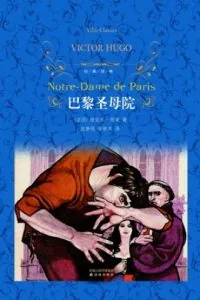
基本信息与出版版本
| 书名 | 巴黎圣母院 |
|---|---|
| 作者 | 维克多·雨果 |
| 类别 | 长篇小说 / 浪漫主义文学 / 历史小说 |
| 出版社 | 人民文学出版社 |
| ISBN | 9787020049288 |
| 电子书格式 | PDF / ePub / mobi / azw3 |
不同版本的出版社、译者、封面和排版可能存在差异;页数如果来源不足,本页不强行补写。实际电子书版本请以下载后的文件内容为准。
这本书主要讲什么
《巴黎圣母院》常被误读为一部单纯的“美女与野兽”式的爱情悲剧,但在深度阅读者的眼中,它是维克多·雨果构建的一座关于“文明载体演变”的宏伟史诗。故事以1482年的巴黎为背景,当时正处于中世纪的黄昏与文艺复兴的黎明交接之际。
中文书评
《巴黎圣母院》并不是一部简单的爱情悲剧,而是一部将个人命运、社会偏见、宗教权力与文明变迁交织在一起的历史长篇。维克多·雨果借1482年的巴黎作为舞台,以巴黎圣母院这座宏伟建筑为中心,描绘了中世纪末期社会结构正在变化时,人们在旧秩序与新思想之间的挣扎。小说发表于1831年,故事背景设定在1482年的巴黎,围绕爱丝梅拉达、加西莫多和副主教克洛德·弗罗洛展开。 维基百科 初读时,它容易被理解为一个关于美丽少女与丑陋敲钟人的悲剧故事,但真正读进去后,会发现雨果关注的并不是爱情本身,而是人在时代、制度和偏见面前如何被塑造,又如何被伤害。
作品最突出的主题之一,是对外貌判断和社会偏见的反思。加西莫多拥有畸形的外表,因此从小被巴黎人视为怪物,但他的内心却保存着最朴素的善良。他感激收养自己的克洛德,把巴黎圣母院视为自己的家,也在爱丝梅拉达遭遇危险时展现出强烈的保护欲。雨果通过这个人物颠覆了传统意义上的美丑标准,让读者看到真正值得尊重的并不是人的外貌,而是内心的情感和道德。
与加西莫多形成鲜明对比的是克洛德·弗罗洛。他表面上是虔诚的副主教,拥有知识、地位和权威,却因为无法控制自己的欲望而逐渐走向毁灭。他对爱丝梅拉达的迷恋并不是纯粹的爱,而是一种占有和控制。当爱丝梅拉达拒绝他时,他利用自己的权力迫害她,最终导致悲剧发生。这个人物并非简单的恶人,而是雨果笔下复杂的人性样本:知识并不能自动带来善良,宗教身份也不能保证一个人拥有高尚的灵魂。
爱丝梅拉达则代表了纯真、自由和被社会误解的弱者。她善良、富有同情心,愿意帮助陌生人,也曾在危急时刻救下诗人格兰古瓦。然而,她的美貌却成为灾难的来源。菲比斯对她的吸引更多停留在外表层面,并没有真正理解她的内心,而巴黎社会又因为她的身份和传闻对她产生偏见。雨果通过她的遭遇揭示了女性、少数群体和社会边缘人物在权力体系中的脆弱处境。 除了人物命运,《巴黎圣母院》更深层的价值在于对文明传承的思考。圣母院不仅是故事发生的地点,也是具有象征意义的角色。雨果借这座建筑讨论历史记忆如何被保存,以及一种文明形式如何被另一种文明形式取代。小说中关于建筑、文字和印刷术关系的讨论,使作品超越了普通历史小说的范围,成为对人类文化发展的思考。
维基百科 从优点来看,这部作品最大的魅力在于宏大的叙事结构和鲜明的人物塑造。雨果不仅写爱情,也写城市、阶层、宗教、法律和时代变化。他对巴黎街道、圣母院建筑以及社会群像的描写,让读者能够感受到一个真实而复杂的中世纪世界。同时,加西莫多、爱丝梅拉达和克洛德三人的关系构成了极具张力的悲剧核心,使作品拥有长久的感染力。 不过,《巴黎圣母院》也存在阅读上的不足。雨果大量加入建筑、历史和社会议论,使部分章节节奏较慢,对于习惯现代小说叙事方式的读者来说,可能会觉得铺陈过长。此外,某些人物的命运带有强烈的浪漫主义色彩,情节发展具有明显的悲剧宿命感,这种写法与当代现实主义小说有所不同。
这部作品适合喜欢经典文学、历史小说以及关注人性问题的读者阅读。如果只期待一个类似童话爱情故事的情节,可能会失望;但如果愿意从人物命运背后理解社会环境和时代变化,就会发现它远不止是一段悲恋。它讨论的是美与丑、善与恶、自由与压迫,以及人在复杂世界中如何保持尊严。 总体来看,《巴黎圣母院》是一部兼具文学价值和思想深度的作品。雨果通过一座城市、一座教堂和几个悲剧人物,写出了一个时代的精神面貌。它提醒读者不要轻易按照外表判断一个人,也让人重新思考文明如何留下痕迹、社会如何影响个人命运。即使经过漫长时间,这部小说依然能够触动读者,是因为它关注的问题始终与人类自身有关。
English Review
Victor Hugo’s The Hunchback of Notre-Dame is far more than a tragic love story. Although it is often remembered through the familiar image of the beautiful Esmeralda and the deformed bell-ringer Quasimodo, the novel is actually a sweeping examination of human nature, social prejudice, religious power, and the transformation of civilization. Published in 1831, the novel is set in Paris in 1482, during a period when medieval traditions were beginning to encounter the forces of the Renaissance. The story centers on Notre-Dame Cathedral and the intertwined destinies of Esmeralda, Quasimodo, and Claude Frollo.
Hugo uses their tragedies to explore how individuals are shaped and damaged by the society around them. One of the novel’s strongest themes is the conflict between appearance and inner character. Quasimodo is rejected by society because of his physical deformities, and the people of Paris treat him as a monster. Yet beneath his frightening appearance is a deeply loyal and compassionate person. He has spent his life isolated inside Notre-Dame, where he finds a sense of belonging as the cathedral’s bell-ringer.
His devotion to Esmeralda reveals a capacity for love and sacrifice that many of the more socially respected characters lack. Through Quasimodo, Hugo challenges the idea that physical beauty determines human worth. Esmeralda represents innocence, kindness, and vulnerability in a society controlled by prejudice. She is generous toward others and shows compassion even to people who cannot benefit her. However, her beauty becomes both a gift and a source of suffering. Many characters see her through their own desires rather than recognizing her as a complete person.
Phoebus is attracted to her beauty but lacks the emotional depth to truly understand her, while the society around her judges her because of her background. Her tragic fate reflects Hugo’s criticism of how easily marginalized people can become victims of fear and misunderstanding. Claude Frollo is perhaps the most psychologically complex character in the novel. As an archdeacon, he appears to represent knowledge, discipline, and moral authority. However, his obsession with Esmeralda exposes the conflict between public identity and private desire.
His feelings become possessive and destructive, leading him to abuse his power and contribute directly to the tragedy. Hugo does not portray Frollo as a simple villain; instead, he presents a person whose intelligence and education cannot protect him from weakness, obsession, and moral collapse. Beyond the personal tragedies of its characters, The Hunchback of Notre-Dame is also a meditation on history and cultural memory. Notre-Dame Cathedral is not merely a setting but a symbolic presence throughout the novel.
Hugo explores how architecture preserves the thoughts and values of a civilization, and how new forms of communication and cultural change can replace older traditions. The novel’s discussions of architecture, history, and the rise of printing give it a broader meaning beyond the individual stories of its characters. The greatest strength of the novel lies in Hugo’s ability to combine a dramatic human story with a wide historical vision. His descriptions of medieval Paris create a vivid atmosphere, while his characters remain memorable because their emotions are intense and recognizable.
The relationship between Quasimodo, Esmeralda, and Frollo creates one of the most powerful tragic structures in nineteenth-century literature. However, the novel also has limitations for modern readers. Hugo frequently interrupts the main narrative with long reflections on architecture, history, and society. These passages can slow the pace and may feel distant to readers who prefer faster storytelling. In addition, the strong romantic style sometimes gives the plot a sense of fate and inevitability rather than the unpredictability of modern fiction.
This book is best suited for readers who enjoy classic literature, historical fiction, and stories that examine moral and social questions. Readers looking only for a simple romance may find the novel much darker and more complicated than expected. Those interested in human psychology, social injustice, and the relationship between individuals and their historical environment will find much greater depth. Overall, The Hunchback of Notre-Dame remains a powerful and enduring work because it addresses questions that continue to matter.
Hugo does not only tell the tragedy of three unforgettable characters; he examines how society creates outsiders, how power can corrupt, and how human dignity can survive even in suffering. The novel’s lasting appeal comes from its ability to connect a medieval world with universal concerns about beauty, compassion, judgment, and the fragile relationship between people and their time.
我的阅读笔记
从现有资料看,它最值得关注的是:《巴黎圣母院》常被误读为一部单纯的“美女与野兽”式的爱情悲剧,但在深度阅读者的眼中,它是维克多·雨果构建的一座关于“文明载体演变”的宏伟史诗。读《巴黎圣母院》时,可以先抓住作者维克多·雨果怎样设置背景、人物目标和主要冲突,再看这些部分如何导向主题。
第二个重点是故事以1482年的巴黎为背景,当时正处于中世纪的黄昏与文艺复兴的黎明交接之际。如果它能继续推动人物选择、冲突升级和主题回响,这本书就更适合细读;如果只是信息并列,阅读价值会弱一些。
我觉得最值得看的地方
我觉得最值得看的地方,首先是它如何展开主题:《巴黎圣母院》常被误读为一部单纯的“美女与野兽”式的爱情悲剧,但在深度阅读者的眼中,它是维克多·雨果构建的一座关于“文明载体演变”的宏伟史诗。其次是它是否能把问题讲清楚:故事以1482年的巴黎为背景,当时正处于中世纪的黄昏与文艺复兴的黎明交接之际。这两点决定了它是只适合快速翻阅,还是值得花时间细读。
如果你关注长篇小说 / 浪漫主义文学 / 历史小说,可以读完一章后用一句话写下这一章的观点,再决定是否继续精读。这样读完后留下的不是零散印象,而是对人物、冲突和主题的清楚判断。
与同类书有什么区别
读《巴黎圣母院》之前,先判断它属于长篇小说 / 浪漫主义文学 / 历史小说里的哪一种:是入门科普、方法书、教材,还是案例型读物。这个判断比只看格式更有用。
第一次读重点看什么
第一次读《巴黎圣母院》,先看它在回答什么问题,再看作者怎么展开。可以先抓这两点:《巴黎圣母院》常被误读为一部单纯的“美女与野兽”式的爱情悲剧,但在深度阅读者的眼中,它是维克多·雨果构建的一座关于“文明载体演变”的宏伟史诗;故事以1482年的巴黎为背景,当时正处于中世纪的黄昏与文艺复兴的黎明交接之际。
- 《巴黎圣母院》常被误读为一部单纯的“美女与野兽”式的爱情悲剧,但在深度阅读者的眼中,它是维克多·雨果构建的一座关于“文明载体演变”的宏伟史诗
- 故事以1482年的巴黎为背景,当时正处于中世纪的黄昏与文艺复兴的黎明交接之际
哪些人适合读,哪些人可能不适合
如果你正在找《巴黎圣母院》电子版,可以先确认 PDF / ePub / mobi / azw3 这些格式是否够用。想判断内容值不值得读,就看它在长篇小说 / 浪漫主义文学 / 历史小说里解决的是哪类问题。
如果你需要的是完整纸质版校勘、特定译本差异或严格学术引用,请优先核对出版社、图书馆或 ISBN 书目系统;如果只是先找电子版阅读,则重点看格式、作者和版本字段是否符合自己的需求。
维克多·雨果和这本书的关系
维克多·雨果和《巴黎圣母院》的关系,不只是“这本书的作者”这么简单。读这本书时,更值得看的是作者怎样处理长篇小说 / 浪漫主义文学 / 历史小说方向里的核心问题,以及这些观点为什么会被整理成一本书。
如果你想评估这本书值不值得读,不要只看作者名气。更实用的办法是看作者提出的问题、使用的材料,以及这些内容能不能形成稳定的主题推进。
常见问题
《巴黎圣母院》主要讲什么?
《巴黎圣母院》主要围绕“《巴黎圣母院》常被误读为一部单纯的“美女与野兽”式的爱情悲剧,但在深度阅读者的眼中,它是维克多·雨果构建的一座关于“文明载体演变”的宏伟史诗”展开。这个入口决定了作品的背景、冲突和主题方向。 另一条重要线索是:故事以1482年的巴黎为背景,当时正处于中世纪的黄昏与文艺复兴的黎明交接之际。
《巴黎圣母院》适合什么人读?
它适合愿意围绕《巴黎圣母院》的主题、人物关系和结构推进慢慢读下去的读者。如果只想要非常轻快、直接、低门槛的阅读体验,可能不一定合适。
读《巴黎圣母院》最该关注哪一点?
读《巴黎圣母院》时,建议先看它提出了什么问题,再看作者维克多·雨果如何展开。真正决定阅读价值的,是人物选择、冲突发展和主题回响是否能互相支撑。
《巴黎圣母院》电子书有哪些格式?
当前记录的格式为 PDF / ePub / mobi / azw3。实际可用文件、排版和版本信息,以页面底部资源模块和下载后的文件为准。
电子书格式与获取说明
当前页面记录《巴黎圣母院》的电子书格式为 PDF / ePub / mobi / azw3。不同来源的电子书在排版、封面、译名和文件质量上可能会有差异,下载后请以实际文件信息为准。
