
《真希望我父母读过这本书》是菲利帕·佩里的作品,当前资源标题记录的电子书格式为 PDF / ePub / mobi / azw3。这页先帮助读者确认书籍身份、内容主线和阅读预期,再核对实际文件状态。
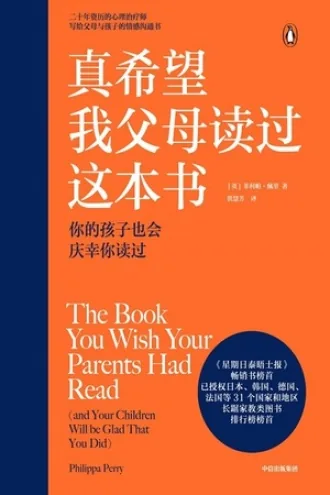
基本信息与出版版本
| 书名 | 真希望我父母读过这本书 |
|---|---|
| 作者 | 菲利帕·佩里 |
| 类别 | 通俗社科/心理学/亲子关系/家庭教育/育儿 |
| 出版社 | 中信出版集团(中文版) |
| ISBN | 9787521719253 |
| 参考页数 | 304页(中文版) |
| 电子书格式 | PDF / ePub / mobi / azw3 |
不同版本的出版社、译者、封面和排版可能存在差异;页数如果来源不足,本页不强行补写。实际电子书版本请以下载后的文件内容为准。
这本书主要讲什么
《真希望我父母读过这本书》是由英国资深心理治疗师菲利帕·佩里所著,洪慧芳精准翻译,2020年7月中文版由中信出版集团出版的经典育儿读物,原作名《The Book You Wish Your Parents Had Read》
中文书评
《真希望我父母读过这本书》最值得肯定的地方,是它没有把育儿变成一场关于正确方法的考试,而是把亲子关系重新放回人与人相处的基本逻辑中。孩子并不是等待父母塑造的半成品,父母也不需要成为永远冷静、永远正确的完美成年人。真正重要的是,当双方出现误解、愤怒和失望时,父母能否理解孩子的感受,意识到自己的情绪来源,并在关系受到伤害后主动修复。菲利帕·佩里通过心理治疗的视角,将家庭生活中那些看似琐碎的矛盾,解释成有迹可循的情感互动。这使它不仅是一本育儿指导书,也是一部关于成年人如何重新理解自己童年经历的心理学作品。
从父母的童年开始,重新理解亲子关系 菲利帕·佩里是一位英国心理治疗师,她的写作与传统家庭教育专家有明显区别。许多育儿作品首先关心孩子应该怎样睡觉、吃饭、学习和遵守规则,而佩里更关心另一个问题:为什么父母明明深爱孩子,却仍然会在某些时刻做出伤害孩子的反应? 她认为,成年人并不会因为成为父母,就自动摆脱原生家庭留下的影响。一个小时候经常因为哭泣而受到责备的人,长大后可能依然无法忍受孩子哭闹;一个从小被要求听话、懂事的人,可能会把孩子的反抗理解成对自己权威的挑战。这些反应看似发生在当下,实际上往往与父母自己的成长经历有关。
书中反复强调,理解过去并不是为了责怪上一代,而是为了避免无意识地重复过去。父母无法改变自己曾经接受过怎样的养育,却可以尝试改变自己回应孩子的方式。这种思路让家庭教育不再只是单方面纠正孩子的行为,而成为成年人学习自我觉察的过程。 孩子的情绪不是需要立即解决的麻烦 全书最有价值的主题之一,是区分情绪与行为。 当孩子因为玩具被拿走而大哭,因为不能继续玩游戏而愤怒,或者因为害怕上学而拒绝出门时,父母很容易急着制止这些表现。常见的回应包括让孩子不要哭、告诉孩子这没有什么可难过的,或者直接用惩罚让孩子安静下来。
佩里指出,这些反应可能暂时恢复秩序,却未必真正帮助孩子理解自己的情绪。孩子需要知道,悲伤、嫉妒、失望和愤怒本身并不是错误。父母可以限制伤害他人的行为,却不必因此否定孩子正在经历的感受。 例如,一个孩子因为弟弟妹妹得到了更多关注而表现出嫉妒,成年人通常希望他学会分享和谦让。但如果父母只强调他应该懂事,孩子可能会认为自己的失落是不被允许的。佩里更重视先承认这种感受,再帮助孩子找到适当的表达方式。 这并不意味着父母需要满足孩子的所有要求。相反,书中强调的是有边界的理解。父母完全可以拒绝不合理的要求,同时承认孩子因为被拒绝而感到难过。规则与共情并不矛盾,真正需要避免的是把孩子的负面情绪视为不服从。
书中的人物没有英雄,也没有绝对的反派 作为心理学和家庭教育作品,本书没有小说式的主角与情节,但它通过大量日常亲子情境呈现了几类值得分析的人物。 首先是那些希望成为好父母,却经常被自己的情绪困住的成年人。他们可能在孩子哭闹时失去耐心,在孩子不听话时突然大发脾气,事后又因为内疚而责备自己。佩里没有简单地把这些父母划分为合格或不合格,而是关注他们为什么失控,以及失控之后如何承担责任。 第二类人物是尚未掌握成熟表达能力的孩子。他们无法像成年人一样准确解释焦虑、孤独或委屈,只能通过哭泣、沉默、拒绝合作甚至激烈的行为表达需求。在佩里的分析中,孩子并不是故意制造麻烦的对手,而是需要成年人帮助理解自身感受的人。
第三类人物是那些虽然没有直接出场,却始终影响家庭关系的上一代父母。他们留下的教育观念、沟通习惯和情感模式,可能在下一代家庭中不断重现。佩里最有洞察力的地方,就是揭示了这些跨代关系之间的联系。 这种人物处理方式使作品具有现实感。它没有塑造一个可以轻松解决所有问题的理想父母,而是承认普通家庭中存在疲惫、愤怒、误判和矛盾。亲子关系的价值,不在于永远没有冲突,而在于双方是否能够重新建立连接。 亲子关系能够修复,比从不犯错更重要 书中另一个重要观点,是关系中的修复。 父母不可能每次都耐心回应孩子,也不可能永远正确理解孩子的需求。即使熟悉心理学知识,成年人仍然会因为工作压力、睡眠不足或个人困境而失去控制。
佩里认为,真正值得关注的不是如何保证自己永远不犯错,而是犯错之后如何处理。如果父母因为愤怒而对孩子说了伤人的话,随后能够承认自己的行为不合适,认真倾听孩子的感受,并尝试改善沟通方式,这种修复本身就具有教育意义。 孩子由此能够理解,人与人之间发生矛盾并不一定意味着关系破裂,成年人也需要为自己的行为负责。道歉不是父母权威的损失,而是向孩子展示如何面对错误。 这一观点尤其适合那些对自己要求过高的年轻父母。许多人接触育儿知识后,反而因为无法做到每一条建议而更加焦虑。佩里提供了一种更现实的标准:父母可以不完美,但不能把不完美当作拒绝反思的理由。
温和而有洞察力,也存在实际局限 本书的突出优点是语言平实,没有过度依赖专业术语。依恋关系、情绪回应、代际传递和关系修复等心理学概念,都被放进了普通家庭能够理解的场景中。即使缺少心理学基础,读者也能明白为什么一句否定感受的话,可能比事情本身更容易让孩子受伤。 另一个优点是作者没有把所有责任都推给孩子。她鼓励成年人承担关系中的更多责任,因为父母通常拥有更成熟的认知能力,也掌握着家庭中的主要决定权。 但作品并非没有不足。 首先,它对情绪理解和关系修复的重视,有时会让具体操作显得不够充分。面对孩子持续攻击他人、长期拒绝上学,或者家庭成员存在严重心理问题等复杂情况,仅靠共情和沟通通常不够,还需要更明确的行为干预或专业支持。
其次,书中倡导的沟通方式需要一定的时间、精力和情绪余量。对长期加班、独自照顾孩子或缺乏家庭支持的父母来说,保持稳定的情绪回应本身就是很大的挑战。作品对这些现实条件的讨论相对有限。 此外,作者主要从心理治疗和关系经验出发进行阐述,其中一些解释具有启发性,但并不能被理解为适用于所有儿童和家庭的统一规律。不同年龄、气质和成长环境中的孩子,对同一种养育方式可能有不同反应。 哪些人值得读这本书 这本书尤其适合准备成为父母的人、正在照顾婴幼儿的年轻家庭,以及经常因为孩子的情绪和行为感到挫败的家长。 对于已经拥有青春期孩子的父母,书中的情绪接纳、倾听和关系修复原则依然有参考价值,只是具体应用时需要考虑青少年更强烈的自主意识和边界需求。
即使暂时没有孩子,成年人也可以从中获得启发。那些经常因为父母的一句话而感到愤怒,或者发现自己在亲密关系中重复某些家庭沟通模式的人,能够借助书中的观点重新理解过去的经历。 总结:改变亲子关系,要从理解人开始 《真希望我父母读过这本书》并不提供一套能够迅速培养优秀孩子的标准流程。它真正试图改变的,是成年人理解家庭关系的方式。 佩里提醒读者,孩子需要的不只是规则、照顾和教育,还需要被认真倾听、被允许表达情绪,以及在受到伤害之后得到关系上的修复。父母则需要意识到,自己的成长经历既可能成为养育孩子的资源,也可能成为需要重新审视的限制。
它最打动人的地方,不是宣称爱可以解决所有问题,而是指出爱如果缺少理解、自省和实际行动,也可能以控制、否定和误解的方式表现出来。 对于希望改善亲子关系的普通家庭而言,这本书值得读。它不会让复杂的育儿问题一夜之间消失,却能够帮助成年人在下一次面对孩子的眼泪、愤怒和反抗时,少一些条件反射式的责备,多一些理解行为背后需求的耐心。
English Review
An Insightful Book About Parenting, Emotional Awareness, and Breaking Family Patterns Philippa Perry's The Book You Wish Your Parents Had Read (and Your Children Will Be Glad That You Did) is one of those parenting books whose central argument extends far beyond the practical challenges of raising children. Rather than presenting parenting as a collection of techniques for producing obedient, successful, or emotionally resilient children, Perry focuses on the quality of the relationship between parents and their children.
Her fundamental message is both simple and demanding: children need adults who are willing to understand their feelings, examine their own emotional reactions, and take responsibility when relationships become strained. What makes the book particularly valuable is its rejection of the perfect-parent ideal. Perry does not suggest that good parenting requires endless patience or flawless decisions. Instead, she argues that emotional awareness, empathy, and the ability to repair mistakes matter more than maintaining an appearance of constant authority.
The result is a thoughtful, accessible examination of family life that encourages readers to reconsider not only how they treat children, but also how their own childhood experiences continue to influence their behavior. Background and Psychological Perspective Philippa Perry is a British psychotherapist whose professional background strongly influences the structure and arguments of the book. Unlike conventional parenting manuals that concentrate on discipline, academic performance, sleep routines, or developmental milestones, Perry begins with the emotional history of the parent.
Her approach rests on the observation that people often repeat patterns they experienced in childhood, even when they consciously intend to raise their children differently. For example, an adult who was frequently criticized for crying may struggle to tolerate a child's tears. Someone raised in a household where disagreement was treated as disrespect may interpret a child's resistance as a personal attack. In both situations, the immediate conflict concerns the child's behavior, but the intensity of the parent's reaction may originate from experiences that occurred decades earlier.
Perry does not use these examples to blame previous generations. Instead, she encourages parents to recognize inherited emotional habits and consider whether those habits remain appropriate. This approach gives the book a broader psychological dimension. Parenting becomes an opportunity for adults to understand themselves rather than merely a responsibility to control children's behavior. The Central Theme: Understanding Feelings Before Correcting Behavior One of the strongest aspects of the book is its distinction between accepting emotions and permitting behavior.
Perry argues that children need their emotions to be acknowledged, even when their actions require firm boundaries. Consider a young child who becomes furious when a parent refuses to buy a toy. The adult may respond by insisting that the child stop crying, threatening punishment, or explaining why the demand is unreasonable. Although these responses may end the confrontation temporarily, they do not necessarily help the child develop emotional understanding. Perry encourages a different response. The parent can maintain the refusal while recognizing the child's disappointment.
The important distinction is that a feeling does not have to be reasonable or convenient to deserve recognition. This principle becomes especially meaningful in situations involving sibling jealousy, separation anxiety, frustration, and emotional outbursts. A child who resents the attention given to a younger sibling may not need another lecture about sharing. The child may first need reassurance that feeling overlooked does not make them bad or unlovable. Perry's approach does not eliminate boundaries. It asks parents to separate the management of behavior from the judgment of emotion.
That distinction is one of the book's most useful contributions to everyday family relationships. Character Analysis: Parents, Children, and the Influence of Previous Generations Although this is nonfiction rather than a novel, the book contains recognizable human figures whose experiences reveal its central arguments. The most important figure is the imperfect parent. This parent genuinely loves their child but sometimes reacts with anger, impatience, defensiveness, or withdrawal. They may feel guilty after shouting, yet repeat the same response during the next difficult moment.
Perry treats such parents with compassion without removing their responsibility. Their behavior is understandable, but understanding it should lead to change rather than become an excuse. The second central figure is the emotionally developing child. Children in Perry's examples often communicate distress indirectly. A toddler may cry when separated from a caregiver. An older child may resist instructions because they feel powerless or misunderstood. A sibling may behave aggressively after feeling displaced by a new baby.
Instead of interpreting these children simply as disobedient, Perry considers the emotional needs underlying their actions. The third important presence is the previous generation of parents. Even when grandparents are not directly involved in a conflict, their parenting styles may remain influential through the expectations and reactions passed down to their adult children. These three generations create the book's most compelling psychological framework. Perry shows how emotional experiences travel through families and how conscious reflection can interrupt harmful patterns.
Why Repair Matters More Than Perfection Another particularly convincing theme is the importance of repairing relationships after mistakes. Perry recognizes that parents become exhausted, overwhelmed, distracted, and angry. Even adults who understand emotional development cannot respond perfectly in every situation. The essential question is therefore not whether parents will make mistakes, but what they do afterward. Imagine a parent who shouts at a child after an exhausting day at work. A purely authoritarian response might involve ignoring the incident or insisting that the child deserved the reaction.
Perry encourages the parent to acknowledge the outburst, accept responsibility, and reconnect with the child. An apology does not undermine parental authority. It demonstrates that adults are accountable for their behavior and that damaged relationships can be repaired. This is one of the book's most reassuring ideas. It replaces the unrealistic expectation of perfect parenting with a more sustainable commitment to honesty, responsibility, and emotional connection. Strengths and Limitations The book's greatest strength is its accessibility.
Perry translates psychological ideas concerning attachment, emotional regulation, childhood experience, and relational repair into recognizable domestic situations. Her writing is compassionate without completely avoiding difficult truths. Parents are encouraged to understand their own struggles, but they are also challenged to recognize the consequences of their actions. The book is also effective because it refuses to treat children as miniature adults who should automatically possess mature emotional skills. However, its approach has limitations.
Some recommendations are more persuasive as guiding principles than as detailed strategies for particularly difficult situations. Families dealing with persistent aggression, severe behavioral difficulties, serious mental health concerns, or complex developmental needs may require interventions beyond the communication methods discussed here. The book also assumes that parents possess at least some capacity for emotional reflection and consistent engagement.
For caregivers experiencing chronic financial pressure, limited support, demanding employment, or significant personal stress, implementing its advice may be considerably harder than understanding it. There is also a risk of interpreting every challenging behavior primarily through an emotional or relational lens. Emotional understanding is essential, but developmental differences, environmental conditions, medical concerns, and practical boundaries can also play important roles. These weaknesses do not invalidate Perry's approach. They simply establish its appropriate scope. Who Should Read This Book?
This book is particularly suitable for expectant parents, caregivers of young children, and adults who repeatedly encounter emotional conflict within their families. It may also benefit parents of teenagers, although some principles require adjustment to respect adolescents' growing independence. Importantly, it is not exclusively for people raising children. Adults interested in understanding their own childhood experiences, especially those who recognize recurring patterns of criticism, emotional withdrawal, or conflict avoidance in their relationships, may find the book equally meaningful.
Readers looking for highly structured disciplinary systems or detailed developmental schedules may find it less directly useful. Perry's primary concern is the emotional foundation of parenting rather than procedural instruction. Final Assessment The Book You Wish Your Parents Had Read succeeds because it changes the question at the center of parenting. Instead of asking how adults can make children behave correctly, Perry asks how parents can create relationships in which children feel understood, emotionally secure, and respected. Her answer requires more than affection.
It demands self-awareness, patience, boundaries, accountability, and a willingness to examine painful patterns inherited from previous generations. The book is not a complete solution to every parenting difficulty, and its psychological emphasis cannot replace specialized support when serious problems arise. Nevertheless, its central insights are practical and enduring. Children do not need parents who never become frustrated or make mistakes. They need adults who recognize their humanity, respond to their emotions with care, and are prepared to repair relationships when things go wrong.
Perry's most significant achievement is showing that raising children is not simply about shaping the next generation. It is also about helping adults become more thoughtful, responsible, and emotionally aware people. For readers willing to reflect on their own behavior rather than search for quick methods of controlling children, this is a worthwhile and often illuminating book.
我的阅读笔记
从现有资料看,它最值得关注的是:《真希望我父母读过这本书》是由英国资深心理治疗师菲利帕·佩里所著,洪慧芳精准翻译,2020年7月中文版由中信出版集团出版的经典育儿读物,原作名《The Book You Wish Your Parents Had Read》。读《真希望我父母读过这本书》时,可以先抓住作者菲利帕·佩里怎样设置背景、人物目标和主要冲突,再看这些部分如何导向主题。
第二个重点是目录、前言和章节安排。如果它能继续推动人物选择、冲突升级和主题回响,这本书就更适合细读;如果只是信息并列,阅读价值会弱一些。
我觉得最值得看的地方
我觉得最值得看的地方,是它围绕“《真希望我父母读过这本书》是由英国资深心理治疗师菲利帕·佩里所著,洪慧芳精准翻译,2020年7月中文版由中信出版集团出版的经典育儿读物,原作名《The Book You Wish Your Parents Had Read》”展开的部分。这一点能帮助读者进入作品真正的矛盾,而不是只停在题材表面。
如果你关注通俗社科/心理学/亲子关系/家庭教育/育儿,可以读完一章后用一句话写下这一章的观点,再决定是否继续精读。这样读完后留下的不是零散印象,而是对人物、冲突和主题的清楚判断。
与同类书有什么区别
读《真希望我父母读过这本书》之前,先判断它属于通俗社科/心理学/亲子关系/家庭教育/育儿里的哪一种:是入门科普、方法书、教材,还是案例型读物。这个判断比只看格式更有用。
第一次读重点看什么
第一次读《真希望我父母读过这本书》,先看它在回答什么问题,再看作者怎么展开。可以先抓这两点:《真希望我父母读过这本书》是由英国资深心理治疗师菲利帕·佩里所著,洪慧芳精准翻译,2020年7月中文版由中信出版集团出版的经典育儿读物,原作名《The Book You Wish Your Parents Had Read》;再结合目录判断自己要不要细读。
- 《真希望我父母读过这本书》是由英国资深心理治疗师菲利帕·佩里所著,洪慧芳精准翻译,2020年7月中文版由中信出版集团出版的经典育儿读物,原作名《The Book You Wish Your Parents Had Read》
哪些人适合读,哪些人可能不适合
如果你正在找《真希望我父母读过这本书》电子版,可以先确认 PDF / ePub / mobi / azw3 这些格式是否够用。想判断内容值不值得读,就看它在通俗社科/心理学/亲子关系/家庭教育/育儿里解决的是哪类问题。
如果你需要的是完整纸质版校勘、特定译本差异或严格学术引用,请优先核对出版社、图书馆或 ISBN 书目系统;如果只是先找电子版阅读,则重点看格式、作者和版本字段是否符合自己的需求。
菲利帕·佩里和这本书的关系
菲利帕·佩里和《真希望我父母读过这本书》的关系,不只是“这本书的作者”这么简单。读这本书时,更值得看的是作者怎样处理通俗社科/心理学/亲子关系/家庭教育/育儿方向里的核心问题,以及这些观点为什么会被整理成一本书。
如果你想评估这本书值不值得读,不要只看作者名气。更实用的办法是看作者提出的问题、使用的材料,以及这些内容能不能形成稳定的主题推进。
常见问题
《真希望我父母读过这本书》主要讲什么?
《真希望我父母读过这本书》主要围绕“《真希望我父母读过这本书》是由英国资深心理治疗师菲利帕·佩里所著,洪慧芳精准翻译,2020年7月中文版由中信出版集团出版的经典育儿读物,原作名《The Book You Wish Your Parents Had Read》”展开。这个入口决定了作品的背景、冲突和主题方向。
《真希望我父母读过这本书》适合什么人读?
它适合愿意围绕《真希望我父母读过这本书》的主题、人物关系和结构推进慢慢读下去的读者。如果只想要非常轻快、直接、低门槛的阅读体验,可能不一定合适。
读《真希望我父母读过这本书》最该关注哪一点?
读《真希望我父母读过这本书》时,建议先看它提出了什么问题,再看作者菲利帕·佩里如何展开。真正决定阅读价值的,是人物选择、冲突发展和主题回响是否能互相支撑。
《真希望我父母读过这本书》电子书有哪些格式?
当前记录的格式为 PDF / ePub / mobi / azw3。实际可用文件、排版和版本信息,以页面底部资源模块和下载后的文件为准。
电子书格式与获取说明
当前页面记录《真希望我父母读过这本书》的电子书格式为 PDF / ePub / mobi / azw3。不同来源的电子书在排版、封面、译名和文件质量上可能会有差异,下载后请以实际文件信息为准。
