
《聪明的投资者》是格雷厄姆的作品,当前资源标题记录的电子书格式为 PDF / ePub / mobi / azw3。这页先帮助读者确认书籍身份、内容主线和阅读预期,再核对实际文件状态。
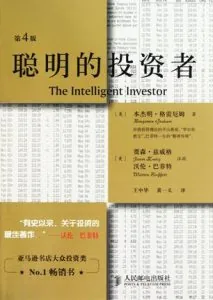
基本信息与出版版本
| 书名 | 聪明的投资者 |
|---|---|
| 作者 | 格雷厄姆 |
| 类别 | 投资理财 / 价值投资 / 金融经典 |
| 出版社 | 人民邮电出版社 |
| ISBN | 9787115414634 |
| 电子书格式 | PDF / ePub / mobi / azw3 |
不同版本的出版社、译者、封面和排版可能存在差异;页数如果来源不足,本页不强行补写。实际电子书版本请以下载后的文件内容为准。
这本书主要讲什么
《聪明的投资者》是价值投资的开山鼻祖本杰明·格雷厄姆专门为普通人写的一本投资逻辑书。沃伦·巴菲特在读完这本书后说:“我原本以为自己是在炒股,读完才知道我是在赌博。
中文书评
《聪明的投资者》是一部改变普通投资者思考方式的投资经典,它真正讨论的并不是如何快速赚取财富,而是一个更基础的问题:面对充满波动和诱惑的证券市场,一个普通人如何避免犯下致命错误。格雷厄姆没有把投资描绘成寻找神奇机会的游戏,而是将它还原为一套关于分析、纪律和心理控制的方法。这本书首次出版于1949年,是本杰明·格雷厄姆面向普通投资者写下的重要作品,也是价值投资理念的重要来源之一。
维基百科 作品产生的背景与20世纪金融市场的发展密切相关。格雷厄姆经历过1929年美国股市崩盘,也见证了大量投资者因为追逐热门股票、相信市场永远上涨而遭受巨大损失。在这样的环境下,他提出投资与投机之间存在本质区别:投资需要经过充分分析,并关注本金安全和合理回报,而不是依靠市场情绪下注。 维基百科 《聪明的投资者》的核心价值,就在于它试图帮助读者建立一种长期、理性的投资框架。
全书最重要的主题之一,是“内在价值”和“市场价格”的区别。格雷厄姆认为,股票并不是一串不断跳动的数字,而是一家真实企业的一部分。市场每天给出的价格可能受到恐惧、贪婪和短期消息影响,但企业真正的价值并不会随着投资者情绪快速改变。他通过“市场先生”的比喻,塑造了一个情绪化的市场角色:有时他因为乐观而给出过高价格,有时又因为恐慌而低价出售。投资者真正需要学习的,不是预测市场先生下一次出现什么情绪,而是不被他的情绪左右。
另一个贯穿全书的重要概念是“安全边际”。格雷厄姆并不鼓励投资者精确预测未来,因为未来本身具有不确定性。他认为,与其相信自己能够准确判断企业未来十年的表现,不如在买入时留下足够空间,用较低价格购买具有价值的资产。这种思想影响了后来包括沃伦·巴菲特在内的大量价值投资者。巴菲特曾表示,《聪明的投资者》对自己的投资理念形成产生了重要影响。
维基百科 书中的人物并不是传统意义上的小说角色,但格雷厄姆塑造了几个非常鲜明的投资者形象。其中最具代表性的是“防御型投资者”和“积极型投资者”。防御型投资者没有大量时间研究企业,希望通过分散投资、合理估值和稳定策略获得长期收益;积极型投资者愿意投入更多精力,通过财务分析寻找被低估的机会。两者并没有高低之分,真正的冲突在于投资者是否清楚自己的能力范围。格雷厄姆反复提醒读者,最大的风险往往不是市场波动,而是投资者在不了解自己的情况下做出超出能力边界的决定。
这本书最大的优点,是它关注投资中最容易被忽视的部分:人的心理。很多投资书喜欢讨论选股技巧、市场趋势和盈利模式,而格雷厄姆更关心为什么人在上涨时盲目乐观,在下跌时恐慌出售。他提出的许多原则,即使面对今天的市场环境,依然具有参考价值。书中大量关于估值、风险控制和投资纪律的讨论,也让投资从一种凭感觉的行为变成可以学习的方法。
当然,《聪明的投资者》也存在明显不足。由于成书年代较早,其中部分案例来自过去的美国市场环境,一些具体数据、行业背景和投资工具已经发生变化。对于刚接触金融知识的读者来说,书中的财务分析内容可能显得较为枯燥,需要结合现代市场资料进一步理解。另外,格雷厄姆强调低估值和安全边际的方法,并不能简单复制到所有市场环境中,投资者仍然需要考虑企业质量、行业变化和宏观因素。 这本书适合希望建立长期投资观念的人阅读,尤其适合刚开始接触股票、基金或资产配置,希望摆脱短期投机思维的投资者。它并不会告诉读者下一只上涨的股票是什么,也不会提供快速致富的方法,但它能够帮助读者理解投资决策背后的逻辑。
总体来看,《聪明的投资者》的价值并不在于预测市场,而在于训练投资者面对市场时保持清醒。格雷厄姆留下的并不是一套永远有效的买卖公式,而是一种面对不确定性的思考方式:分析价值,控制风险,尊重市场规律,也尊重自己的能力边界。对于今天的投资者来说,这种理念仍然具有长期意义。
English Review
The Intelligent Investor is one of the most influential books on investing because it focuses on a question that remains important in every market era: how can an ordinary person make rational decisions when surrounded by fear, greed, and uncertainty? Benjamin Graham does not present investing as a search for quick profits or secret market signals. Instead, he treats investing as a disciplined process built on analysis, patience, and emotional control. First published in 1949, the book was written as a guide for individual investors and became one of the foundational works of value investing.
The background of the book is closely connected to Graham’s personal experience and the history of financial markets. He lived through the 1929 stock market crash, a period when many investors suffered because they bought stocks based on speculation, optimism, and market excitement rather than careful evaluation. From these experiences, Graham developed a clear distinction between investment and speculation. In his view, an investment requires serious analysis, protection of capital, and a reasonable expectation of return. Speculation depends more on prediction, emotion, and hope.
The central theme of The Intelligent Investor is the difference between price and value. Graham argues that a stock represents ownership in a real business, not merely a changing number on a trading screen. Market prices can rise and fall because of public emotions, rumors, and short-term events, but the underlying value of a strong business changes much more slowly. His famous concept of “Mr. Market” illustrates this idea through a fictional character who constantly offers irrational prices based on his mood. Investors should not follow Mr. Market’s emotions; they should use his mistakes as opportunities.
Another major theme is the principle of the “margin of safety.” Graham believes that investors should recognize the limits of their own predictions. Since the future is uncertain, investors should avoid paying prices that leave no room for error. Instead of assuming perfect knowledge, they should buy assets at a price significantly below their estimated value. This approach became a key influence on later value investors, including Warren Buffett, who has often discussed the importance of Graham’s ideas in shaping his investment philosophy.
Although the book is not a novel, Graham creates several memorable investor profiles. The defensive investor represents someone who wants a reliable strategy without spending all day studying financial reports. This investor focuses on diversification, quality companies, and reasonable prices. The enterprising investor represents someone willing to spend more time researching companies and searching for opportunities that others overlook. The conflict between these two approaches is not about which one is superior, but whether an investor honestly understands their own knowledge, time, and limitations.
One of the greatest strengths of the book is its focus on investor psychology. Many financial books concentrate mainly on finding profitable companies or predicting economic trends, but Graham pays close attention to human behavior. He explains why people become overly confident during market booms and panic during market declines. His lessons about patience, discipline, and independent thinking remain relevant because market technology changes, but human emotions change much more slowly. However, the book also has some limitations.
Because it was written in the middle of the twentieth century, some examples, market conditions, and investment practices are tied to a different financial environment. Modern readers may find certain sections on financial statements and valuation methods difficult without additional background knowledge. In addition, Graham’s emphasis on low prices and conservative valuation should not be treated as a complete investment formula. Modern investors still need to consider business quality, innovation, industry changes, and broader economic conditions.
The Intelligent Investor is best suited for readers who want to build a long-term understanding of investing rather than chase short-term market movements. It is especially valuable for beginners who want to understand why discipline often matters more than prediction. The book does not promise easy profits or reveal a method for finding guaranteed winners. Instead, it teaches readers how to think more carefully before making financial decisions.
Overall, The Intelligent Investor remains valuable because its greatest lesson is not about predicting the market; it is about controlling one’s own behavior in an unpredictable environment. Graham’s lasting contribution is a way of thinking: study value, protect capital, avoid emotional decisions, and recognize the limits of personal judgment. Decades after its publication, these principles continue to provide a strong foundation for anyone seeking a more rational approach to investing.
我的阅读笔记
从现有资料看,它最值得关注的是:《聪明的投资者》是价值投资的开山鼻祖本杰明·格雷厄姆专门为普通人写的一本投资逻辑书。读《聪明的投资者》时,可以先抓住作者格雷厄姆怎样设置背景、人物目标和主要冲突,再看这些部分如何导向主题。
第二个重点是沃伦·巴菲特在读完这本书后说:“我原本以为自己是在炒股,读完才知道我是在赌博。如果它能继续推动人物选择、冲突升级和主题回响,这本书就更适合细读;如果只是信息并列,阅读价值会弱一些。
我觉得最值得看的地方
我觉得最值得看的地方,首先是它如何展开主题:《聪明的投资者》是价值投资的开山鼻祖本杰明·格雷厄姆专门为普通人写的一本投资逻辑书。其次是它是否能把问题讲清楚:沃伦·巴菲特在读完这本书后说:“我原本以为自己是在炒股,读完才知道我是在赌博。这两点决定了它是只适合快速翻阅,还是值得花时间细读。
如果你关注投资理财 / 价值投资 / 金融经典,可以读完一章后用一句话写下这一章的观点,再决定是否继续精读。这样读完后留下的不是零散印象,而是对人物、冲突和主题的清楚判断。
与同类书有什么区别
读《聪明的投资者》之前,先判断它属于投资理财 / 价值投资 / 金融经典里的哪一种:是入门科普、方法书、教材,还是案例型读物。这个判断比只看格式更有用。
第一次读重点看什么
第一次读《聪明的投资者》,先看它在回答什么问题,再看作者怎么展开。可以先抓这两点:《聪明的投资者》是价值投资的开山鼻祖本杰明·格雷厄姆专门为普通人写的一本投资逻辑书;沃伦·巴菲特在读完这本书后说:“我原本以为自己是在炒股,读完才知道我是在赌博。
- 《聪明的投资者》是价值投资的开山鼻祖本杰明·格雷厄姆专门为普通人写的一本投资逻辑书
- 沃伦·巴菲特在读完这本书后说:“我原本以为自己是在炒股,读完才知道我是在赌博
哪些人适合读,哪些人可能不适合
如果你正在找《聪明的投资者》电子版,可以先确认 PDF / ePub / mobi / azw3 这些格式是否够用。想判断内容值不值得读,就看它在投资理财 / 价值投资 / 金融经典里解决的是哪类问题。
如果你需要的是完整纸质版校勘、特定译本差异或严格学术引用,请优先核对出版社、图书馆或 ISBN 书目系统;如果只是先找电子版阅读,则重点看格式、作者和版本字段是否符合自己的需求。
格雷厄姆和这本书的关系
格雷厄姆和《聪明的投资者》的关系,不只是“这本书的作者”这么简单。读这本书时,更值得看的是作者怎样处理投资理财 / 价值投资 / 金融经典方向里的核心问题,以及这些观点为什么会被整理成一本书。
如果你想评估这本书值不值得读,不要只看作者名气。更实用的办法是看作者提出的问题、使用的材料,以及这些内容能不能形成稳定的主题推进。
常见问题
《聪明的投资者》主要讲什么?
《聪明的投资者》主要围绕“《聪明的投资者》是价值投资的开山鼻祖本杰明·格雷厄姆专门为普通人写的一本投资逻辑书”展开。这个入口决定了作品的背景、冲突和主题方向。 另一条重要线索是:沃伦·巴菲特在读完这本书后说:“我原本以为自己是在炒股,读完才知道我是在赌博。
《聪明的投资者》适合什么人读?
它适合愿意围绕《聪明的投资者》的主题、人物关系和结构推进慢慢读下去的读者。如果只想要非常轻快、直接、低门槛的阅读体验,可能不一定合适。
读《聪明的投资者》最该关注哪一点?
读《聪明的投资者》时,建议先看它提出了什么问题,再看作者格雷厄姆如何展开。真正决定阅读价值的,是人物选择、冲突发展和主题回响是否能互相支撑。
《聪明的投资者》电子书有哪些格式?
当前记录的格式为 PDF / ePub / mobi / azw3。实际可用文件、排版和版本信息,以页面底部资源模块和下载后的文件为准。
电子书格式与获取说明
当前页面记录《聪明的投资者》的电子书格式为 PDF / ePub / mobi / azw3。不同来源的电子书在排版、封面、译名和文件质量上可能会有差异,下载后请以实际文件信息为准。
