
《百万富翁快车道》是MJ·德马科的作品,当前资源标题记录的电子书格式为 PDF / ePub / mobi / azw3。这页先帮助读者确认书籍身份、内容主线和阅读预期,再核对实际文件状态。
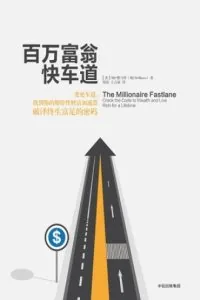
基本信息与出版版本
| 书名 | 百万富翁快车道 |
|---|---|
| 作者 | MJ·德马科 |
| 类别 | 财富自由 / 商业思维 / 创业指导 |
| 出版社 | 中信出版社 |
| ISBN | 9787508674256 |
| 电子书格式 | PDF / ePub / mobi / azw3 |
不同版本的出版社、译者、封面和排版可能存在差异;页数如果来源不足,本页不强行补写。实际电子书版本请以下载后的文件内容为准。
这本书主要讲什么
《百万富翁快车道》是一本给那些不想等到65岁才变富的人准备的“反洗脑书”。
中文书评
《百万富翁快车道》是一部观点非常鲜明的财富与创业类作品,它最大的价值不在于告诉读者某一种快速赚钱的方法,而在于重新审视人们长期接受的财富观念。MJ·德马科没有把财富描述成节衣缩食、等待几十年后的结果,而是提出了一个更具争议性的判断:如果希望在年轻阶段获得更大的财务自由,就需要改变创造财富的方式,从出售时间转向创造可扩张的价值。作品围绕“人行道、慢车道、快车道”三种财富路径展开,试图解释为什么很多人努力工作多年,却依然难以摆脱收入与时间绑定的状态。
这本书诞生于作者MJ·德马科自身的创业经历。他曾通过创建豪华轿车预约相关业务积累财富,并将自己的商业实践和思考整理成书。书中的很多观点并非来自传统金融理论,而来自一个创业者对市场、商业模式和个人选择的长期观察。作者针对“读书、找工作、存钱、投资、65岁退休”的传统路径提出质疑,认为这种模式虽然稳定,但往往把人生最有活力的阶段用于等待未来。
The Literary Academy 作品的核心主题是“财富创造机制的设计”。德马科反复强调,真正具有改变能力的财富来源通常不是单纯节省开支,而是建立能够服务更多人的系统。他提出,企业是否具有控制力、规模化能力、价值创造能力,会直接影响财富增长速度。书中关于“快车道”的讨论,本质是在鼓励读者从消费者思维转向生产者思维:不要只关注如何赚更多工资,而要思考如何解决更大的问题、服务更多客户、建立不会完全依赖个人时间的商业系统。
Booknibs 人物分析方面,作者本人是这本书最重要的案例。他不是以旁观者身份讨论创业,而是以自己的经历作为论证基础。从年轻时看到拥有兰博基尼的创业者受到刺激,到后来建立自己的商业模式,德马科塑造了一个典型的“主动改变人生路径”的创业者形象。他笔下的普通上班族代表的是被固定规则限制的人,而创业者代表的是寻找机会、承担风险并建立资产的人。书中的“快车道”人物并不是天生幸运,而是通过发现需求、执行想法、不断调整商业模型获得结果。
这部作品的优点非常明显。首先,它具有很强的冲击力,能够让读者重新思考“努力工作”和“创造财富”之间是否真的存在直接关系。其次,书中的商业思维比较具体,例如强调客户需求、市场规模、系统建设,而不是停留在励志层面。对于正在创业或准备创业的人来说,其中关于商业价值、规模化和执行力的讨论具有一定启发意义。 但作品也存在不足。德马科的表达方式非常强烈,有时会把传统投资方式和稳定职业路径描述得过于简单化。现实中的财富积累往往受到行业环境、家庭责任、个人能力、经济周期等多方面影响,并不是所有人都适合通过创业获得财富。此外,书中部分案例更多体现作者个人成功经验,读者需要结合自身情况判断,而不能简单复制作者的人生路线。
《百万富翁快车道》更适合希望创业、经营企业、探索个人商业模式的人阅读,也适合对传统职业发展路径产生疑问,希望理解财富创造逻辑的读者。对于只想寻找稳健理财方法、期待低风险积累财富的人来说,这本书可能会显得过于激进。 总体来看,《百万富翁快车道》不是一本提供简单致富公式的书,而是一部挑战传统财富观的商业思考作品。它最大的贡献,是让读者意识到财富不仅来自积累,也来自创造、系统和价值交换。即使不完全认同作者的观点,书中关于时间价值、商业杠杆和用户需求的讨论,仍然值得认真思考。
English Review
The Millionaire Fastlane by MJ DeMarco is a highly opinionated but influential book about wealth creation, entrepreneurship, and personal financial independence. Its main strength is not that it provides a guaranteed formula for becoming rich, but that it challenges the assumptions many people accept about money and career development. DeMarco argues that traditional advice based on working for decades, saving gradually, and waiting until retirement often sacrifices the most valuable years of life.
Instead, he encourages readers to think about creating scalable value and building systems that are not completely dependent on exchanging hours for income. The background of the book is closely connected to DeMarco’s own entrepreneurial journey. Rather than writing as a financial academic, he presents his ideas from the perspective of someone who built a business and experienced the process of creating wealth. His argument comes from observing the difference between earning a salary and owning a system that can grow.
The book introduces three different financial paths: the Sidewalk, the Slowlane, and the Fastlane. These represent different approaches to money, risk, and control over one’s financial future. The central theme of the book is that wealth is not simply the result of saving money; it is the result of creating value through a scalable process. DeMarco believes that many people remain trapped because their income is directly connected to their time. A job may provide stability, but the number of hours in a day creates a natural limit.
His proposed alternative is to build businesses, products, or systems that can reach more people without requiring equal increases in personal effort. The book repeatedly emphasizes concepts such as control, customer needs, market impact, and execution. Booknibs The most important character in the book is DeMarco himself. His personal story becomes the foundation of his argument. He describes seeing successful entrepreneurs at a young age and realizing that wealth could come from ownership and innovation rather than simply following a predictable career path.
His journey from building a business to achieving financial success represents the type of transformation he wants readers to consider. Other figures in the book function as examples of different attitudes toward money: some people trade time for security, while others attempt to create assets and systems. One of the book’s biggest advantages is its ability to provoke serious reflection. DeMarco writes with energy and confidence, making readers question whether their current financial habits are actually leading toward the life they want.
The discussion of entrepreneurship is often practical, especially when he focuses on solving customer problems, creating useful products, and building repeatable business processes. For aspiring entrepreneurs, these ideas can be motivating and valuable. However, the book also has clear limitations. DeMarco’s writing style is intentionally aggressive, and some of his criticism of traditional investing and employment can feel overly absolute. Stable careers and long-term investing strategies can still be effective paths for many people, depending on their goals and circumstances.
In addition, the examples in the book are heavily influenced by DeMarco’s own success story, which means readers should treat his framework as a perspective rather than a universal rule. This book is best suited for aspiring entrepreneurs, business owners, and readers who want to rethink conventional ideas about income and wealth. It is especially useful for people who are interested in building companies, developing products, or understanding how businesses create value at scale. Readers looking for conservative financial planning advice may find the book too extreme.
Overall, The Millionaire Fastlane is a provocative exploration of entrepreneurship and wealth creation. It does not offer an easy shortcut to financial success, but it encourages readers to examine how they use their time, how they create value, and whether their current path gives them the level of control they want. Even readers who disagree with some of DeMarco’s conclusions may find his discussions about ownership, leverage, and business systems worth considering.
我的阅读笔记
从现有资料看,它最值得关注的是:《百万富翁快车道》是一本给那些不想等到65岁才变富的人准备的“反洗脑书”。读《百万富翁快车道》时,可以先抓住作者MJ·德马科怎样设置背景、人物目标和主要冲突,再看这些部分如何导向主题。
第二个重点是目录、前言和章节安排。如果它能继续推动人物选择、冲突升级和主题回响,这本书就更适合细读;如果只是信息并列,阅读价值会弱一些。
我觉得最值得看的地方
我觉得最值得看的地方,是它围绕“《百万富翁快车道》是一本给那些不想等到65岁才变富的人准备的“反洗脑书””展开的部分。这一点能帮助读者进入作品真正的矛盾,而不是只停在题材表面。
如果你关注财富自由 / 商业思维 / 创业指导,可以读完一章后用一句话写下这一章的观点,再决定是否继续精读。这样读完后留下的不是零散印象,而是对人物、冲突和主题的清楚判断。
与同类书有什么区别
读《百万富翁快车道》之前,先判断它属于财富自由 / 商业思维 / 创业指导里的哪一种:是入门科普、方法书、教材,还是案例型读物。这个判断比只看格式更有用。
第一次读重点看什么
第一次读《百万富翁快车道》,先看它在回答什么问题,再看作者怎么展开。可以先抓这两点:《百万富翁快车道》是一本给那些不想等到65岁才变富的人准备的“反洗脑书”;再结合目录判断自己要不要细读。
- 《百万富翁快车道》是一本给那些不想等到65岁才变富的人准备的“反洗脑书”
哪些人适合读,哪些人可能不适合
如果你正在找《百万富翁快车道》电子版,可以先确认 PDF / ePub / mobi / azw3 这些格式是否够用。想判断内容值不值得读,就看它在财富自由 / 商业思维 / 创业指导里解决的是哪类问题。
如果你需要的是完整纸质版校勘、特定译本差异或严格学术引用,请优先核对出版社、图书馆或 ISBN 书目系统;如果只是先找电子版阅读,则重点看格式、作者和版本字段是否符合自己的需求。
MJ·德马科和这本书的关系
MJ·德马科和《百万富翁快车道》的关系,不只是“这本书的作者”这么简单。读这本书时,更值得看的是作者怎样处理财富自由 / 商业思维 / 创业指导方向里的核心问题,以及这些观点为什么会被整理成一本书。
如果你想评估这本书值不值得读,不要只看作者名气。更实用的办法是看作者提出的问题、使用的材料,以及这些内容能不能形成稳定的主题推进。
常见问题
《百万富翁快车道》主要讲什么?
《百万富翁快车道》主要围绕“《百万富翁快车道》是一本给那些不想等到65岁才变富的人准备的“反洗脑书””展开。这个入口决定了作品的背景、冲突和主题方向。
《百万富翁快车道》适合什么人读?
它适合愿意围绕《百万富翁快车道》的主题、人物关系和结构推进慢慢读下去的读者。如果只想要非常轻快、直接、低门槛的阅读体验,可能不一定合适。
读《百万富翁快车道》最该关注哪一点?
读《百万富翁快车道》时,建议先看它提出了什么问题,再看作者MJ·德马科如何展开。真正决定阅读价值的,是人物选择、冲突发展和主题回响是否能互相支撑。
《百万富翁快车道》电子书有哪些格式?
当前记录的格式为 PDF / ePub / mobi / azw3。实际可用文件、排版和版本信息,以页面底部资源模块和下载后的文件为准。
电子书格式与获取说明
当前页面记录《百万富翁快车道》的电子书格式为 PDF / ePub / mobi / azw3。不同来源的电子书在排版、封面、译名和文件质量上可能会有差异,下载后请以实际文件信息为准。
