
《爱的艺术》是艾里希·弗洛姆的作品,当前资源标题记录的电子书格式为 PDF / ePub / mobi / azw3。这页先帮助读者确认书籍身份、内容主线和阅读预期,再核对实际文件状态。
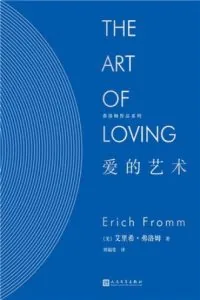
基本信息与出版版本
| 书名 | 爱的艺术 |
|---|---|
| 作者 | 艾里希·弗洛姆 |
| 类别 | 心理学 / 哲学 / 社会学 |
| 出版社 | 上海译文出版社 |
| ISBN | 9787532745142 |
| 电子书格式 | PDF / ePub / mobi / azw3 |
不同版本的出版社、译者、封面和排版可能存在差异;页数如果来源不足,本页不强行补写。实际电子书版本请以下载后的文件内容为准。
这本书主要讲什么
《爱的艺术》(The Art of Loving)是德裔美籍心理学家艾里希·弗洛姆最著名的通俗哲学著作。这本书出版于1956年,却精准地预言了当代人在亲密关系中的困境。
中文书评
《爱的艺术》是一部看似讨论爱情,实际上深入探讨人的成长、孤独与精神成熟的经典作品。艾里希·弗洛姆没有把爱描写成偶然发生的浪漫体验,而是提出了一个更具挑战性的判断:爱是一种需要学习和实践的能力。读完这本书,会发现它并不是一本教人如何获得爱情的技巧手册,而是一部要求读者重新理解自己、理解他人的心理学与哲学著作。
Books That Slay 这本书出版于1956年,是弗洛姆结合精神分析、社会学和人本主义思想写成的重要作品。在20世纪中期的社会环境中,人们越来越关注个人价值、消费关系以及人与人之间的疏离感。弗洛姆观察到,现代人常常误以为自己缺少的是“被爱的方法”,于是努力提升外在吸引力、社会地位或个人条件,却很少思考自己是否真正具备爱的能力。他认为,爱的困难并不是因为人们不知道如何寻找对象,而是因为很多人尚未学会关心、尊重和理解另一个独立存在的人。
阿拉伯心理学数据库 作品最核心的主题,是对“爱到底是什么”的重新定义。弗洛姆认为,成熟的爱不是占有,不是依赖,也不是为了填补自身空虚而抓住另一个人。真正的爱包含关心、责任、尊重和了解。书中对于“分离感”的分析尤其深刻:人在成长过程中逐渐意识到自己与世界、与他人的区别,这种孤独感成为许多焦虑和痛苦的来源。爱情、亲情、友情以及对人类整体的关怀,都是人试图超越孤立状态的方式。但弗洛姆提醒读者,如果这种连接建立在控制、依附或牺牲自我之上,它并不会带来自由,反而会制造新的痛苦。
维基百科 书中的“人物”并非小说中的角色,而是弗洛姆通过心理观察塑造出的不同类型的人。比如,他讨论不成熟的爱时,展现了那些把爱情理解为“拥有”和“被满足”的人。他们希望伴侣解决自己的不安,希望通过关系证明自身价值,却忽略了对方也是一个拥有独立思想和成长需求的人。与此同时,弗洛姆通过母爱、父爱以及成年人的伴侣关系,分析了不同形式的爱的特点。他特别强调,母亲给予孩子保护与关怀,而父亲更多代表规则、方向和社会世界,但成熟的人最终需要超越依赖,形成独立而完整的人格。
这本书最大的优点,是它没有停留在浪漫爱情层面,而是把爱情放在人格发展和社会环境中考察。弗洛姆对现代消费社会的批判,到今天仍然具有现实意义。当人与人的关系越来越容易被效率、利益和外在条件衡量时,《爱的艺术》提醒读者,真正的亲密关系需要投入时间,需要面对差异,也需要不断提升自身能力。书中的语言虽然涉及心理学和哲学概念,但整体表达并不晦涩,很多观点都能联系到现实生活中的家庭关系、伴侣关系和自我成长。
当然,这部作品也存在一定不足。弗洛姆的理论带有明显的理想主义色彩,他对于成熟之爱的描述非常高标准,要求个人具备稳定的人格、理性、自律和同理心。但现实中的亲密关系往往更加复杂,人会受到性格、经历、环境和情绪影响,并不总能按照理想状态行动。此外,部分关于性别角色、家庭关系的讨论受到20世纪社会观念影响,对于今天的读者来说可能需要结合时代背景理解。 《爱的艺术》适合那些希望理解亲密关系本质、关注心理成长,或者正在思考人与人之间如何建立真实连接的读者。它尤其适合经历过关系困惑、发现单纯追求爱情并不能解决内心问题的人阅读。对于希望寻找快速恋爱技巧的人来说,这本书可能会显得缓慢甚至严格,但对于愿意面对自身问题的人来说,它提供的是更深层次的思考。
总体来看,《爱的艺术》之所以能够持续影响不同年代的读者,并不是因为它提供了一个简单的爱情答案,而是因为它提出了一个长期有效的问题:一个人是否真正具备爱的能力。弗洛姆让读者看到,爱不是一种被动等待的感觉,而是一种需要培养的生命能力。即使时代不断变化,这种关于责任、尊重和人与人连接的思考,依然具有重要价值。
English Review
Erich Fromm’s The Art of Loving is a remarkable work because it refuses to treat love as a simple emotional experience or a matter of romantic luck. Instead, Fromm argues that love is a human ability that requires practice, maturity, and conscious development. The book is not a collection of dating advice or instructions for attracting another person. It is a psychological and philosophical exploration of why human beings seek connection, why relationships often fail, and what qualities are necessary for genuine love.
First published in 1956, the book remains influential because many of the problems it examines, including loneliness, emotional dependence, and the difficulty of forming meaningful relationships, continue to exist in modern life. Fromm wrote The Art of Loving during a period when social change, consumer culture, and increasing individual isolation were becoming major concerns. His background as a psychoanalyst and social philosopher shaped the book’s unique perspective.
Rather than viewing love only as a private feeling between two people, Fromm connects it to personality development, social structures, and the human need to overcome separation. He suggests that many people misunderstand love because they focus on how to become attractive or desirable instead of learning how to love another person actively and responsibly. EBSCO The central theme of the book is the idea that love is an art. Like any art, it requires knowledge, discipline, patience, and continuous improvement.
Fromm identifies mature love through several essential qualities: care, responsibility, respect, and knowledge. Love is not simply wanting someone to satisfy personal needs; it means being concerned with another person’s growth while recognizing that person’s independence. This distinction creates one of the strongest arguments in the book. Fromm criticizes possessive relationships in which one person attempts to control or depend completely on another. For him, such relationships may appear intense, but they often come from fear and insecurity rather than genuine connection.
Although The Art of Loving does not contain fictional characters, Fromm presents different types of people and relationship patterns as examples of psychological conditions. One of the most important figures discussed is the immature lover, a person who expects love to remove personal loneliness without examining their own emotional development. This type of person may seek constant approval, fear independence, or treat a partner as a solution to inner problems. In contrast, the mature lover understands that two individuals can be connected while still remaining separate and complete.
Fromm also analyzes parental love, especially the relationship between mothers, fathers, and children. He explains how childhood experiences influence later emotional development and argues that mature adulthood requires moving beyond dependence toward inner strength. One of the greatest strengths of the book is its broad understanding of love. Fromm does not limit love to romantic relationships. He discusses brotherly love, self-love, parental love, and spiritual love, showing that these forms of connection are connected by similar principles.
His criticism of modern society is also one of the book’s most memorable aspects. He argues that when people begin to view themselves and others as objects of exchange, relationships can lose their depth. This observation feels surprisingly relevant today, especially in a world where social interactions are often influenced by status, appearance, and immediate satisfaction. However, the book is not without limitations. Fromm’s vision of mature love is demanding and sometimes idealistic.
He expects individuals to develop a high level of self-awareness, discipline, and emotional responsibility, but real relationships are often affected by personal history, social conditions, and unavoidable human weaknesses. Some discussions of family roles and gender differences also reflect the social context of the mid-20th century and may require a modern reader to consider the historical background behind his arguments. This book is most suitable for readers who want to understand the deeper psychology of relationships and personal growth.
It is especially valuable for people who have experienced difficulties in intimacy and want to examine not only their partners but also their own attitudes toward love. Readers looking for quick solutions or simple relationship techniques may find the book challenging, because Fromm does not provide easy formulas. Instead, he asks readers to develop themselves as a foundation for healthier relationships. Overall, The Art of Loving remains a powerful and thoughtful examination of human connection. Its lasting value comes from the way Fromm transforms love from a passive emotion into an active practice.
The book suggests that meaningful love requires more than attraction or desire; it requires understanding, responsibility, and the willingness to grow. Decades after its publication, its message remains relevant because the challenge of learning how to truly love is still one of the central experiences of human life.
我的阅读笔记
从现有资料看,它最值得关注的是:《爱的艺术》(The Art of Loving)是德裔美籍心理学家艾里希·弗洛姆最著名的通俗哲学著作。读《爱的艺术》时,可以先抓住作者艾里希·弗洛姆怎样设置背景、人物目标和主要冲突,再看这些部分如何导向主题。
第二个重点是这本书出版于1956年,却精准地预言了当代人在亲密关系中的困境。如果它能继续推动人物选择、冲突升级和主题回响,这本书就更适合细读;如果只是信息并列,阅读价值会弱一些。
我觉得最值得看的地方
我觉得最值得看的地方,首先是它如何展开主题:《爱的艺术》(The Art of Loving)是德裔美籍心理学家艾里希·弗洛姆最著名的通俗哲学著作。其次是它是否能把问题讲清楚:这本书出版于1956年,却精准地预言了当代人在亲密关系中的困境。这两点决定了它是只适合快速翻阅,还是值得花时间细读。
如果你关注心理学 / 哲学 / 社会学,可以读完一章后用一句话写下这一章的观点,再决定是否继续精读。这样读完后留下的不是零散印象,而是对人物、冲突和主题的清楚判断。
与同类书有什么区别
读《爱的艺术》之前,先判断它属于心理学 / 哲学 / 社会学里的哪一种:是入门科普、方法书、教材,还是案例型读物。这个判断比只看格式更有用。
第一次读重点看什么
第一次读《爱的艺术》,先看它在回答什么问题,再看作者怎么展开。可以先抓这两点:《爱的艺术》(The Art of Loving)是德裔美籍心理学家艾里希·弗洛姆最著名的通俗哲学著作;这本书出版于1956年,却精准地预言了当代人在亲密关系中的困境。
- 《爱的艺术》(The Art of Loving)是德裔美籍心理学家艾里希·弗洛姆最著名的通俗哲学著作
- 这本书出版于1956年,却精准地预言了当代人在亲密关系中的困境
哪些人适合读,哪些人可能不适合
如果你正在找《爱的艺术》电子版,可以先确认 PDF / ePub / mobi / azw3 这些格式是否够用。想判断内容值不值得读,就看它在心理学 / 哲学 / 社会学里解决的是哪类问题。
如果你需要的是完整纸质版校勘、特定译本差异或严格学术引用,请优先核对出版社、图书馆或 ISBN 书目系统;如果只是先找电子版阅读,则重点看格式、作者和版本字段是否符合自己的需求。
艾里希·弗洛姆和这本书的关系
艾里希·弗洛姆和《爱的艺术》的关系,不只是“这本书的作者”这么简单。读这本书时,更值得看的是作者怎样处理心理学 / 哲学 / 社会学方向里的核心问题,以及这些观点为什么会被整理成一本书。
如果你想评估这本书值不值得读,不要只看作者名气。更实用的办法是看作者提出的问题、使用的材料,以及这些内容能不能形成稳定的主题推进。
常见问题
《爱的艺术》主要讲什么?
《爱的艺术》主要围绕“《爱的艺术》(The Art of Loving)是德裔美籍心理学家艾里希·弗洛姆最著名的通俗哲学著作”展开。这个入口决定了作品的背景、冲突和主题方向。 另一条重要线索是:这本书出版于1956年,却精准地预言了当代人在亲密关系中的困境。
《爱的艺术》适合什么人读?
它适合愿意围绕《爱的艺术》的主题、人物关系和结构推进慢慢读下去的读者。如果只想要非常轻快、直接、低门槛的阅读体验,可能不一定合适。
读《爱的艺术》最该关注哪一点?
读《爱的艺术》时,建议先看它提出了什么问题,再看作者艾里希·弗洛姆如何展开。真正决定阅读价值的,是人物选择、冲突发展和主题回响是否能互相支撑。
《爱的艺术》电子书有哪些格式?
当前记录的格式为 PDF / ePub / mobi / azw3。实际可用文件、排版和版本信息,以页面底部资源模块和下载后的文件为准。
电子书格式与获取说明
当前页面记录《爱的艺术》的电子书格式为 PDF / ePub / mobi / azw3。不同来源的电子书在排版、封面、译名和文件质量上可能会有差异,下载后请以实际文件信息为准。
